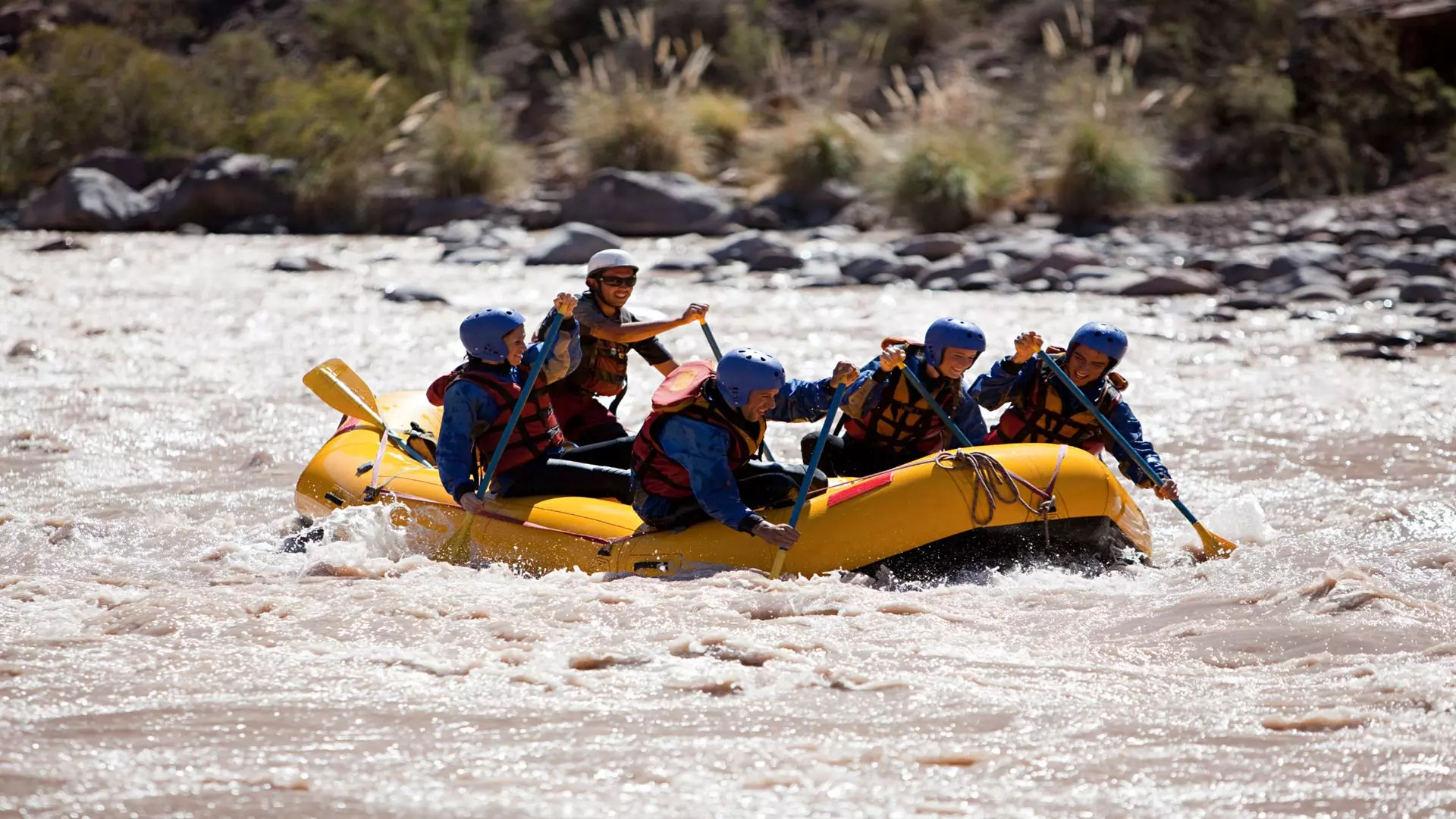
Rafting in the Río Atuel

Rafting on the Río Mendoza
Go rafting on the Río Juramento in Salta
Where to go rafting in San Martín de los Andes
Rafting on the Río Aluminé
Rafting on the Río Hua Hum

Where to go rafting in Bariloche
Rafting in the Limay River
Rafting in the Río Manso
Go rafting on the Rio de las Vueltas in El Chaltén
Rafting Río De Los Patos in Barreal

Rafting in the Río Jachal
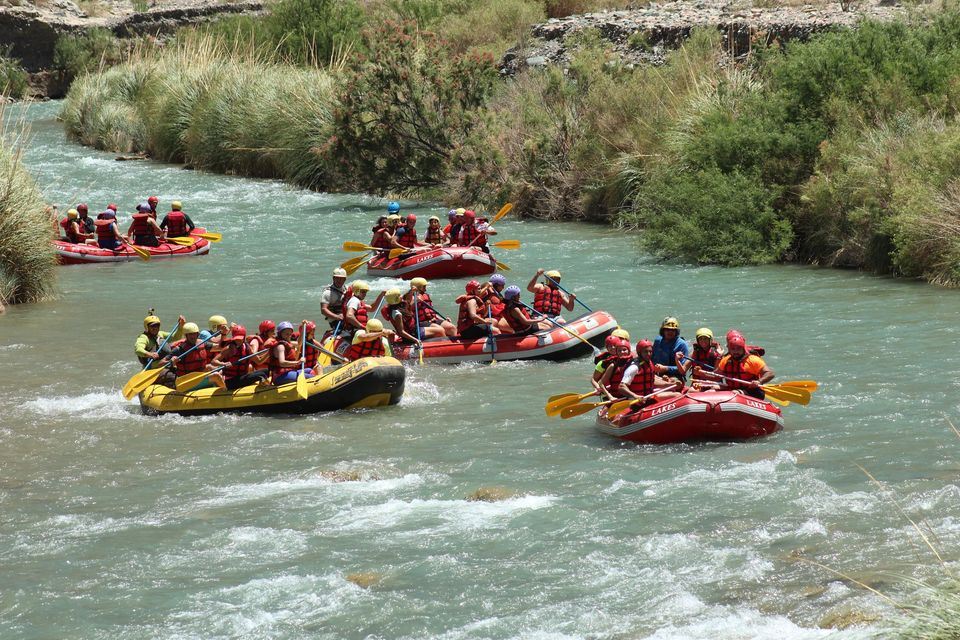
Go rafting on the Corcovado River in Esquel

The best beaches in Bariloche
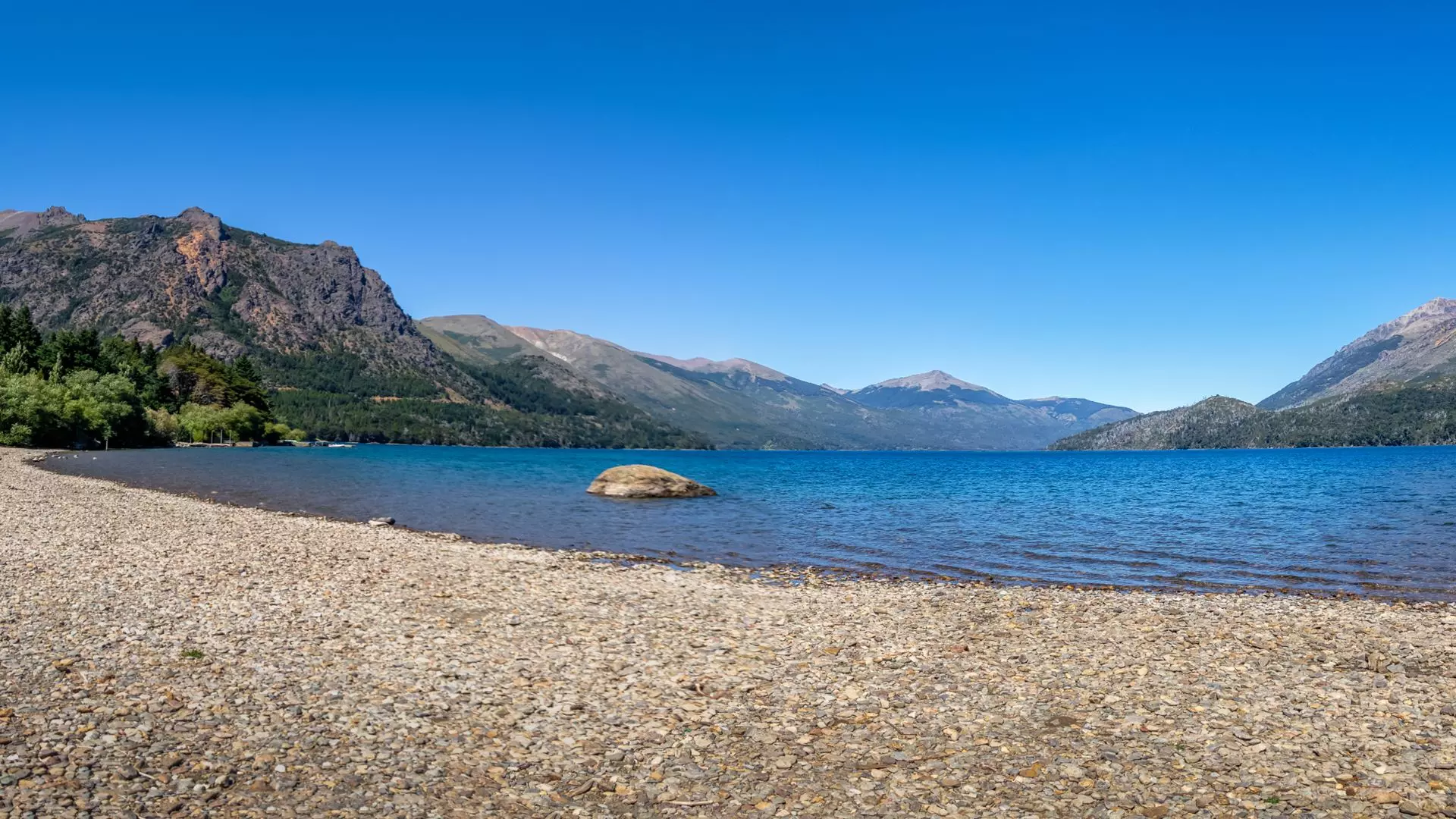
The most beautiful beaches of Lago Nahuel Huapi
Playa Bonita
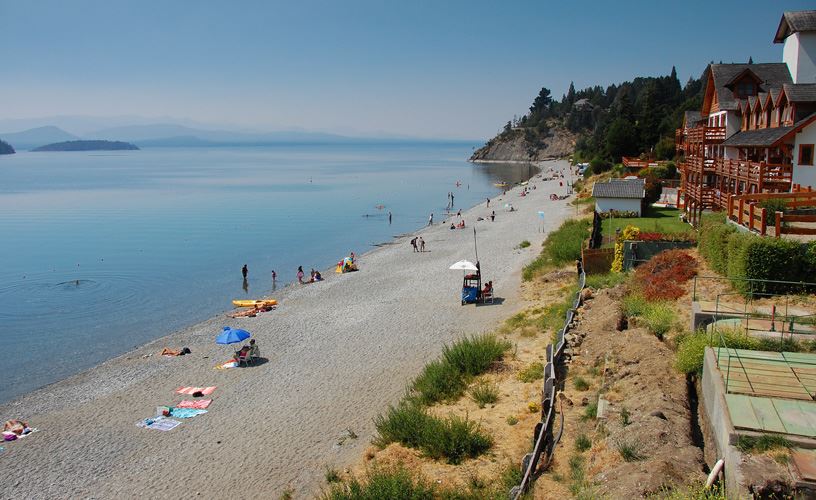

Playa Melipal
Playa Centenario

Playa del Toro

The recommended beaches on the Lago Gutiérrez
Villa Tacul

The chosen beaches of Lago Moreno
Bahía Moreno Oeste

Playa del Viento
The wave-like beaches of Lago Mascardi

What to do in Mendoza
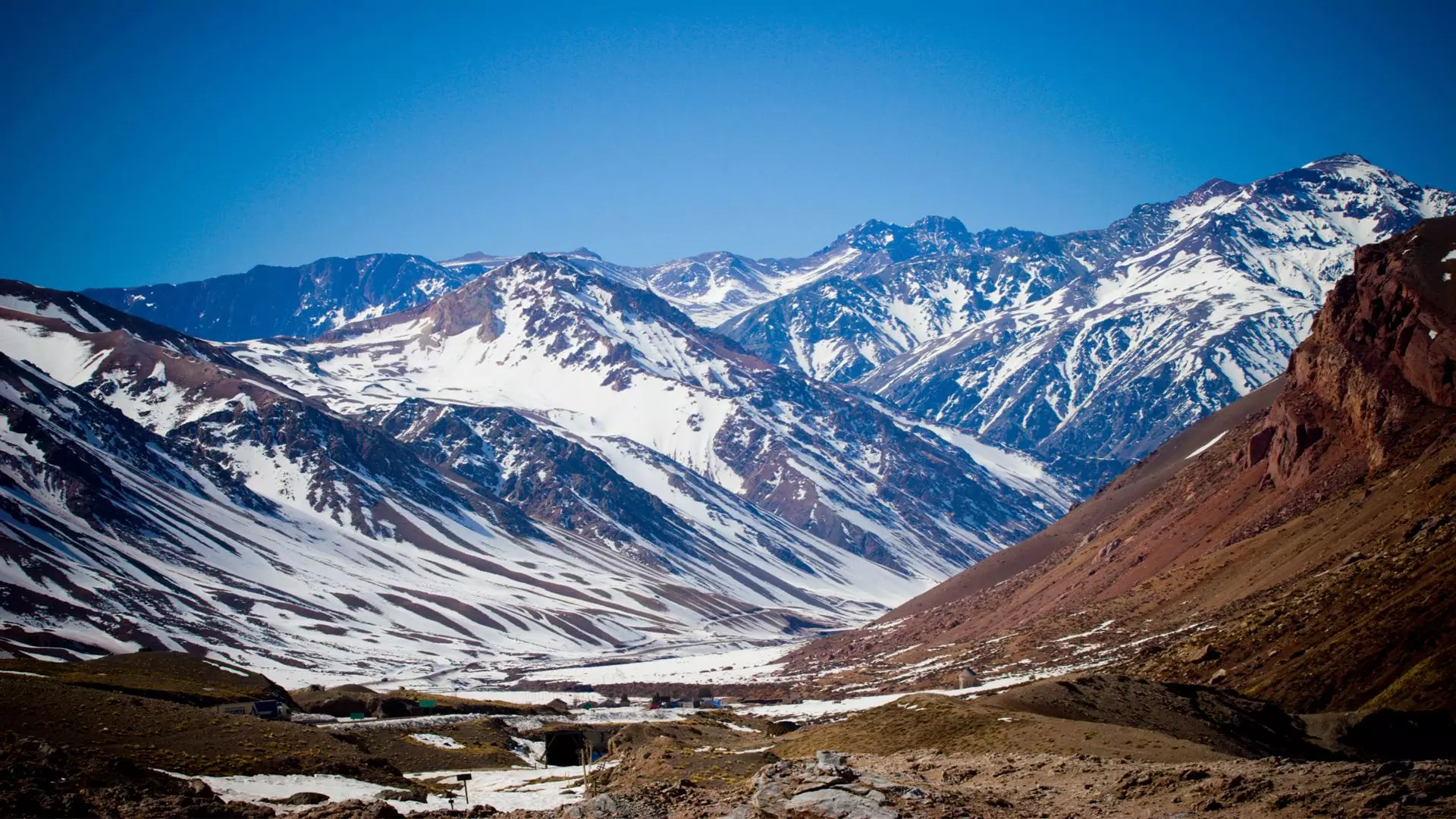
Throughout the year Mendoza offers endless activities to enjoy its natural beauties, the immensity of its mountains and the excellent quality of its wines.
Thanks to the development and expansion of the wine sector internationally, the most important wineries open the doors of their establishments to important wine - tours. The idea is to show the public the daily routine necessary to make their best products, including the famous malbec.
Whatever the cardinal point chosen, Mendoza has it all. To the north, the high mountain circuit invites you to meet the mythical Aconcagua. To the south, the thriving cities of San Rafael and Malargüe attract the whole family with their recreational activities and adventure sports in natural settings such as rivers and reservoirs.
In the city of Mendoza and its surroundings, regions such as Luján de Cuyo, Maipú and Chacras de Coria make up a tourist and gastronomic agglomeration minutes from the urban area.
A little further apart, the nbsp areas Potrerillos and the Uco Valley also offer wonderful landscapes for know and enjoy tasting wines, trekking, cycling or by mountainbike or doing Horseback riding.
There are several places that are far from the city, some you can approach with buses or excursion transfers, the best thing to do is rent a car to move more easily.
In this guide you will find all the information about what to do in Mendoza, our recommended are:
Tour the city of Mendoza

The center of Mendoza offers charming corners to stroll, numerous squares to sit down and rest and wide avenues, where restaurants, shopping galleries and bars are grouped.
The city is surrounded by large groves and small water channels (acequias) bordering the sidewalks.
The heart of the city is in the Plaza Independencia , Mendoza's main urban space, surrounded by important buildings, such as the Provincial Legislature, the National College and the Independencia Theater.
This square occupies four blocks, around it is also an important commercial district and the most important hotels in the city.
Different avenues allow you to enjoy the lively urban life of the city, such as Avenida San Martín, Peatonal Sarmiento (area of cafes, clothing and technology stores) and Avenida Arístides Villanueva , the latter is the nerve center of Mendoza's nightlife, where you will find the most popular places to have a drink and dance: The Bar, Antares , Queen Disco and Gingger, among others.
Another place worth visiting is the Parque San Martín (the most important and beautiful green lung in the city of Cuyo), designed by Carlos Thays with gardens, a rose garden, an artificial water mirror and the famous Cerro de la Gloria, where the Monument to the Army of the Andes is located. A work of fourteen tons of bronze that pays homage to the Army of the Andes for its successful liberation campaign.
In San Martín Park, you will also be able to find the Greek theater, where year after year the Fiesta de la Vendimia takes place and about 23,000 seated people enjoy world-class musical performances.
Another of the city's emblematic sites is the Pedro del Castillo Square, a place that witnessed the colonial era. Buildings stood around it civic buildings and the most important temples of the founding stage of the city, becoming the oldest square and bearing the name of who founded the city of Mendoza del Nuevo Valle de Rioja (current Mendoza).
This square was the political and religious nucleus of the old city, until the earthquake of 1861, when the capital of Mendoza was devastated.
Many buildings from the colonial era were reduced to rubble, including the Cabildo and the church of San Francisco. The square was also transformed into a desolation of ruins of the immediate temples that invaded all its space .
Nowadays it is a very beautiful green space, with fountains and roundabouts to enjoy a walk very close to the downtown of Mendoza.
A very practical way to go through all the most important points is with the City Tour Mendoza, a guide will take you through the history of the city, its culture and its wonderful architecture.
Museo del Area Fundacional

The Museo del Area Fundacional is located next to Plaza Pedro del Castillo (In the heart of the historic center of the Old City), it houses the archaeological evidence of the Plaza Mayor, the ruins of the church of San Francisco, the courtyard and the underground water supply chamber of the town. It is an in situ interpretation museum.
Inside also you can see an underground chamber that contains the archaeological remains of the Mendoza City Council (main administrative institution of the colonial government that was destroyed by the earthquake of March 20, 1861), the remains of the Municipal Slaughterhouse and the Fruit and Vegetable Fair , which were built on the ruins of the first building.
In the museum you will also be able to observe the floor of the chapter rooms of the town hall, made up of Creole tiles, and the asphalt plate and the red floors belonging to the slaughterhouse and the market of fruits, respectively.
Among the objects on display are dioramas, photographs and models that recreate the history and evolution of the city, as well as objects extracted in situ.
There are also several paintings and sculptures by renowned local artists.
This museum provides a permanent service of guided tours available to tourists from 8 am to 8 pm.
Museum of the Cuyano Past

Here you will find valuable objects that bear witness to the life of the people of Mendoza, San Juan and Rioja in the 19th century.
The Museum of the Past Cuyano Dr. Edmundo Correas was inaugurated on May 24, 1967 as the necessary place to make visible the regional history of the provinces of Mendoza, San Juan and La Rioja.
It occupies the building that belonged to Don Francisco Civit, ex-governor of Mendoza, and was declared a National Historic Monument on November 12, 1970.
In total, the museum occupies sixteen rooms and four courtyards. As you walk through them, history seems to recreate itself in the different environments that evoke certain historical moments from the region. Period furniture, pictorial works, documents and objects of use are some of the elements that take the visitor back to the 19th century.
In addition to making history come alive, the purpose of preserving the objects inherited by descendants and relatives of the original owners is fulfilled. These same serve as valuable testimony of the Cuyo past for current researchers and for future generations.
Among the rooms that can be enjoyed are the archaeological room, the oil room in Mendoza, the religious room, cuyana, weapons, the room dedicated to the Unitarians and Federals , of the independence, of the civil governor and, among one of the most popular, is the room dedicated to the Liberator Gral. Don José de San Martín, where it is possible to appreciate an exact replica of his crooked saber.
In addition, it should be noted that inside the museum there is a library whose collection is made up of more than 5,000 volumes and has a valuable newspaper library, as well as an outstanding archive of documents of Mendoza facts and personalities.
Chacras de Coria

The town of Chacras de Coria is ideal for walks through its tree-lined streets and visiting the old train station that speaks of the age of the place.
It is located in Luján de Cuyo and close to the city center (14 kilometers). It is part of the unmissable walks when you arrive in Mendoza.
It is recognized for its microclimate, for the warmth of its inhabitants and for having managed to maintain a quiet lifestyle and in contact with nature.
In its semicircular alleys you can see old houses, some made of adobe. Many of them have their own history because they were built by traditional families that living in the city they were looking for a weekend or summer refuge in the “farms”.
Many of its streets are named after its first settlers and precisely Coria was the last name of one of them.
Little by little the population became permanent and then a small civic center was formed that today includes a square, the church and the municipal building. In addition to families from Mendoza, many artisans live there who are recognized for pieces of original designs that are sold in businesses in the area.
One of its main characteristics is its vegetation both on the streets and in private homes. In the former, there are huge trees with hanging branches that reach almost up to asphalt and they look like vegetable curtains.
Many houses are barely visible from the outside because they are surrounded by green ivy walls that obstruct the view to the interior patio. Almost all have swimming pools, covered and glazed verandas towards their gardens.
Several boutique hotels are camouflaged among these residences and are highly sought after by foreign tourists.
Another characteristic of Chacras de Coria is that it became a gastronomic center recognized for the excellence of its proposals. On Viamonte and Miter streets there are restaurants and grills where they are served regional specialties and sophisticated cuisine.
An example is the Tea Company, a house with well-served tables, tasting of special teas, accompanied by home-made pastries and bakery and all “homemade”.
Breakfasts, brunches, snacks and dinners can be enjoyed indoors with cozy armchairs and crockery (including grandma's kettles) as well as in the garden under the umbrellas.
Another of the tours recommended by Chacras de Coria is the vineyard tour by mountain bike, where you will visit the most important wineries in the area in a different way. In addition, the tour includes the option of visiting the Museo de Chacras de Coria and walk through the typical and friendly streets of this town.
Arena Maipú Casino Resort

El Arena Maipú has always been associated with its vineyards, which from their first harvests managed to become known worldwide. The first wineries were installed there since the late 1800s, many of which continue to develop the same activity to our days.
Today, minutes from downtown Mendoza (15 kilometers) a new casino-hotel complex was built that with the name of Arena Maipú Casino Resort resembles the famous casinos from Las Vegas.
The complex has a hotel with 24-hour casino, gym, spa, nightclub, restaurants, bars, convention center and a stadium with capacity for four thousand people. Since its opening it has become one of the most important tourist attractions in Mendoza.
As for the casino room, it offers a playing surface of approximately 1,485 square meters, with a water mirror with waterfalls.
This luxurious Las Vegas-style room has 480 slots, 40 electronic roulettes and 11 table cloth games (5 roulette and 6 card tables between black jack, poker and punto and banking).
This is a concept that, in addition to the casino, points to shows and entertainment in general.
Within this complex is one of the most beautiful boutique hotels in the country: Esplendor .
It has a superior four-star category and has 8,000 square meters. It has 118 rooms spread over six levels: 18 of them are VIP suites of maximum luxury, 8 master suites with terraces and mountain range views and 5 ground-floor rooms with expansions that overlook the garden. Added to this are common spaces: a restaurant, outdoor grill, spa with heated pool, solarium and indoor gym.
Villavicencio Nature Reserve

Traveling 50 kilometers to the northwest of the city , you will find the Villavicencio Nature Reserve, a jewel of nature, famous for its surprising scenery of mountains and streams, where crystalline springs and hot springs gush.
It is an area of 70 thousand hectares located between hills that range from 900 to 3,200 meters high. The reserve, declared as such in 2000, presents an incredible variety of flora and fauna.
In the descent of the viewpoint, we find the Hotel Villavicencio , which opened its doors in 1940 and closed them in 1978, and to which the wealthy families of the country and the foreigners came to spend a season and enjoy the hot springs and their healing properties.
It was a place that many wanted to access and in those days to reserve a room in the hotel, you had to call up to a year in advance!
The construction preserves its façade, galleries and balconies intact. In one of its gardens a hose gives visitors water that descends directly from the high mountain. Of course, no one can resist drinking the liquid crystal.
To take into account: The highest point of the Villavicencio Nature Reserve is the Cruz de Paramillos, located at 3,200 meters above sea level. Jesuit ruins and mines that have long ceased to be exploited but can be visited by visitors. It is a site of high archaeological value!
Villavicencio is accessed through the Caracoles road , a beautiful path that can be accessed by car from provincial route 52 (50 minutes of travel) or through the excursion Villavicencio.
Horseback riding at sunset
The Horse ride at sunset is one of the activities that best summarizes some of the main attractions of Mendoza. During the cavalcade two hours through the mountains with the Cordillera de los Andes background you will be able to enjoy the sunset with wonderful panoramic views .
You will have the opportunity to observe the fauna and flora characteristics of this area, while riding on tame horses, accompanied by a professional local guide.
This adventure begins very close to the city, just 20 minutes (12 kilometers) at the estancia, Puesto los Amigos. During the tour through the mountains you will reach a height of 1200 meters above sea level, where you will enjoy the tranquility of the area, and you will even have the possibility of sighting condors y Moorish eagles that inhabit the mountain range.
At the end of the parade, they will be waiting at the station with a roast full with the best Argentine beef, roasted vegetables and salads, all accompanied with a t typical Mendoza wine and soft drinks.
The night ends all around a fire pit to enjoy a " guitarreada" with typical songs. A beautiful experience!
Enjoy adventure tourism in Potrerillos
Potrerillos was thought from its origin as a summer village, today it is one of the most interesting places for tourism in the province of Mendoza and can be enjoyed throughout the year.
It is located just 70 kilometers from the capital and can be reached through the national route 7.
The turquoise water mirror that bears the same name as the town has an area of close to 1,500 hectares and has a route of 14 kilometers long and almost 3 kilometers wide.
Around the Potrerillos dam you will see people have picnics, enjoy water activities such as kayaking, canoeing, windsurfing and paddle surfing.
Along with these first tourist steps, the Gran Hotel Potrerillos was installed, which due to its architectural style managed to make the entire province talk, in addition to hosting hundreds of families in its history who came to know the benefits of this “new place”.
Today, in addition to the town itself and the dam, different tourist attractions appear around Potrerillos. There are Las Carditas, Las Vegas, Valle del Sol, the famous Salto , Piedras Blancas and in addition to the small but charming Vallecitos ski center.
Canopy - Potrerillos
Rappel - Potrerillos

If extreme sports are what you like the most, the rappelling in Potrerillos is an activity that, in addition to having fun, will give you the opportunity to see wonderful landscapes. Rappel is a mountain sport, where through ropes with different safety devices allow you to climb down the rocks.
This excursion begins with a trek to the Cascada del Salto (80 kilometers Mendoza Capital), where you will be able to observe the waterfall, the mountains and rivers that surround the area. Then the descent with ropes down the slope at a height of 20 meters. It is an experience that will allow you to have a different perspective and will give you the sensation of floating on middle of nature.
This type of excursion has transfers from the city, lasts approximately 3 hours and can be done throughout the year.
Mountain bike - Potrerillos
The route is of moderate difficulty, the recommended minimum age to do it is 10 years old.
Walk through Los Andes Vallecitos
The Cerro Vallecitos forms part of the backdrop that closes the Potrerillos valley by the west. This admired mountain profile is the Cordillera del Plata, the closest to the city of Mendoza and the cradle of high altitude mountaineering.
The cordon owes its name to the highest peak, el Plata, which stands out at 5956 meters notably from the rest of the complex. The second highest peak is Cerro Vallecitos (5469 meters), located north of the Plata and in the springs of the homonymous stream, in the center of the cordon. In turn, this sector is the most visited in the entire area thanks to its convenient accessibility vehicular (79 kilometers along the RN40) and the existing refuges in the old Vallecitos ski center.
The hill has a striking and intimidating east wall, made of rock and channels of ice and snow, which does not anticipate the accessible and comfortable normal route that It runs along the smooth southern edge that joins it to the Plata (known as the Plata-Vallecitos gate). To the north, it is attached to the hill Corner by a ridge of decomposed rock where“ La Muela ”peak stands out.
It is the most frequented mountain range in the entire province of Mendoza, as it is a classic for mountaineers who start high up or acclimatize for greater objectives .
If you are interested in doing this ascent, I recommend the excursion to the Andes Vallecitos, since it can be done throughout the year and you have a guide , transfers and all the necessary equipment.
In this tour you have the possibility of reach the top of one of the hills of the Andes , get incredible views of the surroundings and enjoy a delicious pic-nic .
The hiking trail begins with an ascent up the gully to pass Lomas Blancas Arenales (3300m). From there they continue along the edge of the path until reaching the summit (3500m). From here you will have the opportunity to enjoy an incredible view of the" Cordón del Plata " , the Valle de Potrerillos and the Pre-Cordillera.
Relaxing in the Termas de Cacheuta

The Termas de Cacheuta are located in a mountainous area near Mendoza capital (40 kilometers), within a splendid landscape that you can enjoy during the route along Route 82. Which can be traversed renting a car or through the buses that leave from the bus terminal in the city center (Line nbsp ; 352 and 420).
The hot springs complex has pools that are found with temperatures ranging from 25 to 50 degrees with dissolved minerals in them, which provide excellent properties for skin care.
The pools with warmer water are found in the upper part and as one descends towards the river area, they are warmer. The sectors are linked together with sloping gardens and stone stairs that seem to be part of the natural landscape.
Also in the complex there are slides that connect some swimming pools to each other. For those who enjoy relaxation there are hydromassages and outdoor areas facing the mountain where you can sunbathe.
For lunch or tea time, there is a section of covered barbecue areas with grills and tables.
A few meters from the municipal complex, there are several exclusive spa hotels. These are also surrounded by nature and with the same quality and properties in the water, it has swimming pools outside and inside the building, and manicured gardens with lounge chairs to rest in front of the mountain. All of this is complemented by equipment that provides physical and spiritual well-being (massages, mud baths, aromatherapy and aesthetic care).
At the Termas de Cacheuta resorts there are those who come to spend the whole day and enjoy the baths in different pools, the mud, the showers, the vaporarium and the foot bath for massages feet.
A buffet lunch can be added to the morning and afternoon activities. In turn, these spa hotels have rustic and very comfortable rooms.
One of the easiest ways to enjoy of this destination completely is hiring the tour to the hot springs of Cacheuta, where you will have included the transfer from the city, towels and dressing gown, to then relax in the infinity pools of thermal water, in the hydrotherapy circuit, the underground sauna with waterfalls, whirlpools and foot and mud baths.
We recommend varying between hot and cold water baths since with these temperature changes the body enters a spiritual state that you will fully enjoy.
At the end of the day, the heat and the mineral mud of the waters will do their job generating a sensation of relaxation . If you wish, you can add massages for an additional cost (Highly recommended, reservation must be made in advance as appointments are limited).
The tour includes a lunch served in the hotel dining room at the delicious buffet that includes everything from grilled Creole-style food to vegetarian food and a salad bar.
To learn more about the experience of the hot springs in Cacheuta, I recommend you read the following note: A day in the hot-springs of Cacheuta.
Wineries
Once you arrive in Mendoza, it is impossible to resist the temptation to visit the wineries that make this province of Cuyo so famous. Mendoza is one of the most important wine producing centers in Argentina and offers a wide variety of visits to wineries with tasting.
Mendoza wine is internationally recognized for its tastes, aromas and colors, but above all for the unique flavor of Malbec. These are the wineries that we like the most:
Bodega Tierras Altas - Luján de Cuyo

Bodega Catena Zapata - Luján de Cuyo

Founded by Nicola Catena, an Italian immigrant who arrived in Argentina in the late 19th century and he planted his first vineyard in 1902 . Later, in the 60's, in Catena Zapata it was still governed by ancient Italian traditions, until the grandchildren (the last generation) decided to be inspired by the customs of Napa Valley and incorporate the Californian-French technique.
They planted cabernet sauvignon, chardonnay and cloned the malbec at a higher altitude. This gave surprising results," The quality of a wine it depends on the place ", recognizes Nicolás Catena Zapata. The location and the altitude give them an excellent natural acidity, structure and color that guarantee the guard potential, softness and intensity that defines Malbecs. Then, they decided to expand the challenge, and settle at 1500 meters high in Tupungato Alto, in a vineyard called "Adrianna". The first wines turned out to be radically different from anything they had produced up to that time.
They are recognized in Argentina and the world for having created" Catena Institute of Wine ", chaired by Laura Catena with the aim of understanding the peculiarities of Mendoza's terroir. Through his research he discovered that the characteristic of soils is that they are not homogeneous and show drastic differences between one plot and another, reaching different aromas and flavors.
Currently, the winery offers three tours, a visit to La Pirámide, the" Visit to the Renaissance of Malb ec "and" Adrianna Vineyard Grand Cru ". Each of them are carried out in small groups, so it is advisable to reserve the date and time in advance.
Bodega Roberto Bonfati - Luján de Cuyo

Bodega Ruca Malen - Luján de Cuyo

Ruca Malen is located 32 kilometers from the city of Mendoza , the road is easy to get from the city through the RN40.
Bodega Trez Wines - Luján de Cuyo
Bodega Trapiche - Maipú

Trapiche produces more than 3.5 million cases of wine a year and is one of the most popular wines of Mendoza since its foundation in 1883! The grapes used by Trapiche come from vineyards of the highest quality in Mendoza, the Italian style brand is located in Maipú and can be visited with the different tours that are offered ( Visits are from Monday to Sunday with prior reservation.).
With an extensive history and 130 years of life in the industry, it is the pioneer in the introduction of French strains, varietal wines, importation of oak barrels and hiring of international consultants.
In 2014, Trapiche was awarded the Gold Medal" Global Best Of Wine Tourism "in the category best experience in architecture and landscape. Also considered as the brand with more exports to the world and distribution in more than 90 countries, selected by Drinks International magazine among the TOP 100 wineries in the world.
Another way to visit this wine jewel is through a night tour : Cena en Trapiche, It is a 4-hour trip that includes dinner, tasting and tour of the facilities.
To get to Trapiche you have to go along the RN7, approximately 17 kilometers until you will see the signs of the farm.
Bodega Santa Julia - Maipú

Julia is the only daughter of José Zuccardi. Believe in her honor in 1996, Santa Julia which represents the commitment to reach the highest levels high quality, through sustainable practices that contribute to caring for the environment.
Bodega Santa Julia was the first winery to open a visitor center with its own restaurant. This winery e produces wines in a sustainable way and leads the activity by working in a friendly way with nature and with each link in the production chain.
Santa Julia was the first in Argentina to achieve“ Fair For life ”certification. . This recognition allows you to market your wines abroad with the guarantee that they meet strict quality standards and that workers throughout the production chain enjoy good and fair working conditions.
Among its most recent milestones, the winery presented El Burro Santa Julia, its first natural and organic wine. It is 100% Malbec , from certified organic Maipú vineyards, without added sulphites as antioxidants and with indigenous yeasts, that is, it lacks a clarification process.
Bodega López - Maipú

Bodega Andeluna - Valle de Uco

A relatively young winery, Andeluna It was founded in 2003 near the city of Tupungnato in the Uco Valley. The soil below the surface produces a wine of higher minerality that generates more intense and concentrated wines.
Andeluna was founded in 2003 by Ward Lay (North American businessman who decided to partner with the renowned Rutini family and now, in the hands of the prestigious family Barale from 2011, due to Lay's death) and the building that accompanies it has the style of a French castle, with high ceilings and even an open kitchen to see how meals are prepared.
The "Pasionado Cabernet Franc" is one of the must-sees of the place. In turn, it has an international expert: Hans Vinding - Diers, in his work as Chief Winemaker.
A very interesting alternative to get to know Andeluna and the rest of the most important vineyards in the area is to do the wine-tasting and lunch in the Uco Valley. During the tour you will explore the history, processes and vineyards and at the same time enjoy a six-course meal served with wines of the same type.
Andeluna is located 90 kilometers from the capital It can be easily reached by the RN40 until intercepting the RP86 that takes you to its entrance.
Zuccardi Winery - Uco Valley

It was chosen in 2019 as the best winery in the world. The family Zuccardi rises to the top of the category "The World's Best Vineyards." Tradition, innovation and a visionary spirit are the ingredients of a project that began more than 50 years ago (1963), with the engineer Alberto Zuccardi planting the first hectares of vines in Maipú, Mendoza.
A generation passionate about wines of high standards, currently led by Sebastián Zuccardi (grandson). In addition, being at the foot of the Andes Mountains, the vineyards are favored by the thermal amplitude and a climate that varies between cold-dry.
The building in front of the vine plantations was built by the architect Fernando Raganato. It was made from materials such as iron, sand and stone, with a metal dome that reflects the sunlight and with principles sustainability.
The route is through the vineyards, the different spaces and the restaurant 'Piedra Infinita'. There they offer up to 50 diners a 4-course menu made with regional products , paired with Zuccardi wines and with unbeatable views of the mountains.
The restaurant is open from Wednesday to Sunday, it is advisable to book in advance.
To get to Zuccardi you can do it renting a car and heading down Route 7 from the city.
Salentein Winery - Uco Valley

Salentein is located 100 kilometers from the city of Mendoza (97 kilometers by the RN40 and RP86), in Valle de Uco . Since 1996 it has been determined to transform the area with a project that leaves no aspect left to chance, in the same space vineyards, an art museum, a restaurant, an amphitheater and even an inn coexist.
The Salentein cellar is a dream, it has a piano inside and the compass rose occupying most of it , with its points oriented towards each cardinal, to represent its relationship with the rest of the world. This magnificent scene is presented nine meters underground and is shown on the route, where you can also access the art.
Bodega Casa Petrini - Valle de Uco

Casa Petrini is a wine tourism project that integrates winery, accommodation, restaurant and spa. Located in the Uco Valley (Tupungato) just 90 minutes from the city of Mendoza. It can be easily accessed by the RN40 and then going by the RP86.
This winery is located in front of the majestic Cordillera de Los Andes and next to the Río Las Prickly pears. The presence of this river located next to the vineyards generates a natural microclimate. This is evidenced by a 4 ° C drop in temperature in in relation to the points farthest from the river, which, together with the thermal amplitude, contribute to the contribution of freshness and elegance in the wines.
The vineyards are at 1,170 meters above sea level. They have 75 hectares planted with the varieties Chardonnay, Malbec, Tannat, Petit Verdot, and Cabernet Franc.
In addition, Casa Petrini has its own restaurant "Enrico" . His name means "owner of the house." A historical review tells that Don Enrico Petrini, the eldest of eight siblings, landed from Italy to Argentina in 1919. Already settled in these lands and as a result of hard work and admirable passion for agriculture, he planted vineyards and made his patero wine. , replicating customs of his native Italy.
At the Enrico restaurant you will be able to enjoy authentic and gourmet cuisine with delicious flavors of yesterday and today, fused in an autochthonous and Mediterranean gastronomy paired with their own wines. The restaurant offers an exclusive view of the Andes Mountains and the natural landscape of vineyards and native plants. It is open all year for lunch, dinner and afternoon tea.
Regarding your accommodation, it has 8 modules of premium rooms. Each module combines quality with high equipment to provide the best warmth and comfort. In addition, they are carefully designed and harmonized with the natural landscape that surrounds them. Also, they have individual terraces to enjoy the best views.
Cooking and beverage distillation class

Travel the Wine Route with the Wine Bus
Would you like to do the Wine Route? The Vitivinícola Bus is the a new way of traveling and experiencing the Luján de Cuyo, Maipú and Uco Valley Wine Roads.
It has six weekly departures from Tuesday to Sunday, departing from the main hotels in the city of Mendoza. This tour is ideal for those who want live the experience of wine culture and tour the wineries open to tourism with guided tours, tastings, wine sales and gastronomic services.
The minibus has a onboard bilingual coordinator that advises the passenger to set up the schedule of visits to wineries. Works with the transfer system Hop On Hop Off. With the same ticket you can go up and down during the day, you choose the wineries you want to visit!
The duration of the Wine Bus is 10 hours and leaves from Tuesday to Sunday.
The routes are according to the day, on Tuesdays the " El Río "wine trail takes place. The most important wineries in the Cuyo Region are visited Among the most prominent are: Cruzat, Renacer and Norton, among others.
On Wednesdays and Fridays, you travel along the " Lujan Sur "path corresponding to Luján de Cuyo. The most important options are: Chandon, Séptima, Casarena and Terrazas de los Andes. The departure on Thursdays is through the "Maipú" wine road. While on Saturdays and Sundays, the "El Sol" road and the "Valle de Uco" . The latter takes place on Sundays at Casa Petrini, Salentein and Andeluna.
Sparkling wine tasting
Skiing and snowboarding in Las Leñas

A few kilometers from Mendoza capital, is one of the highest and most modern ski centers in Argentina: Las Leñas.
With a vertical drop of 1,200 meters, located between the summit of 3,430 meters and the base of 2,240 meters, this center gives rise to a true paradise for extreme skiing and heli-skiing.
Ideal for beginners and intermediate skiers, Las Leñas has 17,500 hectares that are spread over 29 slopes that are accessed through 14 lifts ( which include a ski carpet for beginners).
In addition to an ever-renovated slalom stadium, Las Leñas has one of the longest slopes in South America for skiing. With a length of 7,050 meters, this run, perfect for intermediates, combines the already famous Apollo, Neptune and Venus and is a pride for local skiers.
Newcomers to skiing will be able to enjoy an uninterrupted descent of 1,000 meters long with a slight incline.
The most experienced in the field have the possibility of skiing at night with 2,000 meters of illuminated slopes.

When the weather conditions do not provide the necessary amount of snow, Las Leñas makes use of its modern artificial snow manufacturing system (30 cannons along the whole mountain) so that no one is left without what they have come for.
With a shopping center and an institutional museum that allows visitors to learn about the history of the valley, Las Leñas adds services to its varied range of offers throughout the year.
With first class accommodation and gastronomy, both in the mountains and at the base, ski schools and snowboard, Las Leñas is a classic of skiing in Argentina. A place worth visiting !
One thing to keep in mind is that Las Leñas is open all year round but its ski slopes only in the winter season that goes from June 11 to September 24.
To get to the winter center by car from the city you have to go for 4 hours along the national route 40, the road is fully signposted. There are also buses that leave every day at different times from the Mendoza terminal located in the heart of the city.
Enjoy the snow in Penitentes

The winter center Penitentes is located just 180 kilometers from the city of Mendoza. It was inaugurated in 1979 and currently has more than 300 skiable hectares that are distributed along more than 20 slopes with varying degrees of difficulty, suitable for all types of skiers, whether professionals, advanced or beginners.
Approved by the authorities of the Argentine Ski and Andean Federation (FASA) and the International Ski Federation (FIS), some of these slopes serve as the stage for different international and national competitions, which are They develop during the winter season that runs from June 10 to September 20.
For those who have no experience skiing or snowboarding, schools with experienced instructors are offered. There is no age to be part of this activity!
Penitentes has a first-rate hotel infrastructure that includes from hostels to 4-star hotels, all located at the foot of the hill to go in and out skiing all day.
To get to Penitentes from the city, you can rent a car and head along National Route 40. The road is paved and well signposted. Another option is to arrive in ómnibu with the regular transport service to Penitentes, Andesmar. This leaves from the downtown terminal.
Quebrada del Condor - Uco Valley
La Quebrada del Condor excursion is a good option to appreciate the whole area through different activities such as horseback riding, trekking, or bird watching. Before and after the tour you will be able to taste the traditional flavors of the area with breakfast (tea, mates, cuyanas pancakes, soupipilla and regional delicatessen) prepared by the host family now l noon there is a break to enjoy a delicious grilled. Then they will continue exploring this beautiful region where they will see many flowers and pastures of height, plus lots of horses.
Tour the Atuel Canyon
The Atuel Canyon was formed by the fluvial erosion, product of the course of the Atuel river, and the wind erosion. To reach this amazing geographical feature You have to start the circuit in the tourist village El Nihuil 70 kilometers from the city of San Rafael (234 km from Mendoza Capital). Here the entire route is perfectly signposted.
Upon reaching the Atuel Canyon, you can appreciate various formations in the rocks to which different names were given such as La Torta de Hojaldre, El Cinturón de San Martín, La Procesión, El Mushroom, The Owl and The Submarine.
In addition to enjoying the landscapes offered by the canyon, it is possible to practice a number of adventure sports, with options of windsurfing, quadricycles, kayaking, mountain biking, sport climbing and rafting by the Atuel River.
More than fifty kilometers of route between colorful formations will awaken all your astonishment. The circuit is accompanied by the rest of the hydroelectric plants of the Atuel power generation system, On the side of whose reservoirs (Aisol and Tierras Blancas) charming green spaces are formed, ideal for sports activities or simply sitting down to rest and contemplate the wonderful landscape.
One of the experiences that I recommend the most for this destination is to do the trekking to the Atuel Canyon because they make it easier for you to get to the place with the transfers included and it gives you the possibility through a guide to know every detail of the Canyon.
Vas to walk through the Uco Valley, the El Nihuil Dam and Reservoir, ideal places for nature lovers.
In addition, you will visit the Villa 25 de Mayo and the Wax Museum, where you will learn more about Argentine history, and you will also be able to visit the city near the Atuel Canyon: the nbsp ; city of San Rafael. One of the most beautiful in Mendoza and where adventure tourism is one of the main protagonists.
Rafting on the Atuel River

On the Atuel River you can navigate throughout the year. From April to September, its flow is descending, while from November to March it enjoys its maximum splendor. The Atuel presents a level of difficulty from II to III. These conditions make the rafting that takes place in the sector suitable for all audiences. The time to practice it is from July to April.
To do so, it is necessary to go to the Grande Valley area (where are the stands that offer these excursions), located approximately 40 kilometers from the heart of the city of San Rafael, you can reach renting a car via Route 173 (50-minute drive). As you traverse the zigzagging road, you begin to hear the lullaby of the river. Near the action area, it is possible observe how the rubber bands slide.
Given the geological characteristics of the river's course, the routes can vary in distance and time: the shortest is 6 kilometers, the intermediate 10 kilometers and the long 16 km. times vary between 1 and 2 hours.Once everything is ready, you listen to the safety talk, and after a few moments you are ready to feel the adrenaline flow through your body.Participants have eight in each rubber band.
Quickly the adventure begins. The rushing river of turquoise waters presents peculiar swings and sounds. Meanwhile, the rafts are accompanied by safety kayaks and an external support team. The picturesque gomones through the middle of rock formations of different ranges of colors and shapes.
The Atuel river is a tributary of the Desaguadero river that flows mainly through the south of the province of Mendoza and reaches to a lesser extent to the northwest of the province of La Pampa. Atuel comes from a puelche word" Latuel " which means "Soul of the Earth" . The Atuel has a length of approximately 790 kilometers.
Rafting on the Mendoza River

Another adventure option is the rafting down the Mendoza River, it is classified as class III throughout the year and ascends to class IV in the summer months , it draws real landscapes of a movie for those who want to experience different emotions. The rapids of the Mendoza River are many, but some stand out: the Labyrinth, Picoli, Councilor, the Bad Stone, the Chinese Wall and the 31. While the rubber band moves through these rapids, you can appreciate beautiful landscapes and the Cocodrilo, the Mirador and the Calavera hills. Going down the Mendoza River by rafting can take you around 2 hours.
The Mendoza River passes through the city of Luján de Cuyo , located near the city of Mendoza, is one of the most important sources of water for irrigation of the country. The river is completely formed by meltwater, it is born in the town of Punta de Vacas, where the Tupungato and Cuevas rivers converge and, immediately downstream, on the left bank, the Rio Vacas, from that place receives contributions from the Colorado and Blanco Rivers and the Picheuta and Uspallata Streams. Or with the passage of time, due to the diversion of the waters of the Mendoza and San Juan rivers.
To get to the Gomones game area in Potrerillos , you have to drive 1 hour from the city on the RP82. You can also do the rafting excursion on the Mendoza River, where you are transferred to the area and you can also enjoy canopying, a fun activity, where you will be able to fly in the middle of nature sliding between the trees.
This fun extreme sport covers 1400 meters long in 6 stages and 60 meters high, it is an adventure that will allow you to learn more about the surroundings of the Mendoza River, the Potrerillos Valley and the Cordón del Silver.
Ascent to Cerro Aconcagua

Of all the wonders that exist in Argentina, one of the most impressive is the Aconcagua peak, which earned the nickname" Sentinel of America "by the 6962 meters high and that position it as the highest mountain on the continent.
Aconcagua is located in the town of Las Heras, where it can only be accessed by car through provincial route 7 (3 hours of travel) from the capital of Mendoza.
Mount Aconcagua has different faces for its ascent, some relatively easy, others on the contrary truly for experienced mountaineers.
In all cases, it is necessary to hire the service of guides and carry out the group ascents, always following the rules of the mountain; many of them were conceived and rethought from the experience of their climbers.
The so-called “ Normal route ” is to ascend the north face of the hill, in which climbing techniques are not needed but rather a stealthy and constant trekking that is enlivened with the use of poles, in addition to all the essential equipment to climb.
Those who start the famous" Normal route "go through different mountain camps, where they rest until they are in adequate physical condition to continue climbing. Keep in mind that oxygen noticeably decreases as you go up, so it is necessary to acclimate to these changes.
The route of ascent called “ La del Glaciar de los Polacos ” is only visited by experienced climbers. The way to this is done by taking the Valley of the Cows. It crosses to the base of the Polacos Glacier and from there it crosses the path of the Normal Way, but in this case a final climb begins to the summit.
The “ South wall ” is the Aconcagua road more difficult access to the summit. Its maximum difficulty materializes when it ends in one of the largest walls in the world. Getting up this way is really something for a select few.
The first ascent that was made on this path was on February 25, 1954, it was done by the French Pierre Lesueuer, Adrien Dagory, Edmond Denis, Robert Paragot, Lucien Berardini and Guy Poulet. The head of the expedition was René Ferlet.
It does not matter which route is chosen to reach the summit, as well as if the desired goal cannot be reached. Aconcagua encloses in itself, in its preparations, in its anecdotes and in its successes and failures, a magic difficult to find in another attraction of nature.
Trekking in Aconcagua Provincial Park

Aconcagua Provincial Park is located 180 kilometers from the city, it is one of the main protected areas of the province of Mendoza, famous for hosting the immense Cerro Aconcagua.
With an altitude of 6960.8 meters above sea level, it is the highest peak in the western hemisphere. In addition to the mountaineering routes that allow you to ascend to the top of Aconcagua, The Provincial Park offers numerous circuits with different levels of difficulty.
The walks through these circuits invite you to pass through landscapes of snow-capped mountains, deep valleys with panoramic viewpoints and mighty rivers. Some of these routes correspond to gentle 2-hour hiking routes, while others more complex include 7 days of trekking.
There is the possibility of hiring a guide service to carry out the hiking in the Aconcagua Provincial Park, it is recommended if you do not have previous experience, or want to know every detail and path of this wonderful natural environment.
In the 73 thousand hectares that the park covers, it can be observed that a bush, stunted or creeping vegetation predominates, and in the areas near the peaks the dominant vegetation is the shrub steppe, low and scattered, with a predominance of iros, which are hard compact shepherd shrubs, usually yellowish.
Regarding the fauna of the Aconcagua Provincial Park, you can see the condor with a wingspan close to three meters and a height that when perched exceeds 90 centimeters It is considered the largest flying bird, it flies over the valleys and hills of the area with extraordinary skill. It is the great protagonist of the area!
Continuing with the group of birds, you will be able to locate the Muscisaxicola cinerea that frequents the proximity of mountain rivers and streams, the Andean comosebo with a showy dark cap that contrasts with the ventral part yellow-white, the yal plomiso, the collared squat whose name refers to the custom of "squatting" against the ground.
Another characteristic animal of the area is the guanaco whose capacity to live in steep terrain is greater than that of the vicuña, there are also populations of the emblematic puma and fox colorado.
If you want to know more about all the species that abound in this magical park, I recommend the excursion Photographic Safari through the Andes.
This excursion is ideal for lovers of nature, adventure and photography. In an adapted vehicle (4x4 or 4x2) a Photographic Safari will be carried out and you will be able to observe the fauna wild in this region, far from the mass tourism routes.
During the trip you will have the possibility to locate guanacos, foxes, ostriches and the famous condor of the Andes. You will also have wonderful views of the Cordillera and Cerro Aconcagua.
Bird watching in the Telteca Forest Reserve
Did you know that within the beautiful and fertile Mendoza we can find a desert area? Within the Reserva Bosque Telteca are the Altos Limpios, a of the most important areas for the conservation of birds in Argentina.
The Bosque Telteca is located in the northeast of Mendoza, more precisely in the department of Lavalle, approximately 170 kilometers from the capital city.
The area of the reserve is practically flat, desert and sparsely populated. The climate is warm, with summers of high temperatures and mild winters and very little precipitation. The landscape is characteristic of open forest, with dunes and sandy areas with little vegetation.
Something characteristic of the area is the sweet carob forests , they are in an optimal state of conservation. There are not many that remain in Argentine territory due to their high degree of exploitation.
As for the variety of birds that you are going to be able to see, there are: gray falcons, red falcons, leaden and pilgrim falcons, ashen hawks and common harriers.
There are observation records of the endangered crowned eagle. Several dozen species of songbirds inhabit the area. Among them the churrinche, the coludo, chaqueño, pale, reddish and chestnut baskets, the yellow cardinals and chickadee.
One of the ways to fully explore this reserve is through the tour Telteca Forest and Altos Limpios. It is a trekking that includes transfers and a delicious Creole lunch in a traditional place in Lavalle ( empanadas, chanfaina, homemade bread, goat cheese, chivito and cuts of beef baked in the clay oven or grill accompanied by salads from the garden ).
Also, you can see the native fauna and flora, such as the centenary carob trees 15 meters high, which survive because their enormous roots reach the underground water tables. Another must-see is the sand dunes that reach 35 meters high.
The period of visits to the reserve is restricted to the months between March and November, since the heat is very strong in midsummer.
Observe the historic Puente del Inca
The Puente del Inca is a striking ocher-colored limestone formation on the Las Cuevas River, which has the peculiarity of its thermal waters. In 1965, the hotel facilities that exploited them were devastated by an avalanche, leaving today only the vestiges.
The natives of the area maintain that these waters have healing properties due to their high sulfur content.
The Inca Bridge is located northwest of Mendoza, between the departments of Las Heras and Luján de Cuyo, very close to the border with Chile , this geological site borders the Park to the north Aconcagua Provincial and to the south with the Tupungato Provincial Park. From the capital it can be easily accessed by national route No. 7.
On the bed of the Mendoza river that is born in Aconcagua, the Inca Bridge is located at 2719 meters above sea level, framed by the Banderita Norte and Banderita Sur hills, forming part of the old Inca Trail. < o: p>
It is believed that the formation of the natural bridge is due to the undermining of a fluvioglacial deposit and then cemented by the action of minerals from the hot springs that sprout in the area. Numerous colonies of green, red and blue algae accompanied the process as biological components, and the set of geobiological structures constitutes the balance of this striking formation.
The hot springs maintain an average temperature between 34 and 38 ° C and are the highest in Argentina. The composition of the water contains iron and other minerals that give the rock formation the ferruginous characteristic and the orange, ocher and yellow colors Suspended 27 m above the river, the natural bridge is almost 50 meters long and 28 meters wide.
Legend has it that the son of a great Indian chief was affected by a strange disease. Rumors about some healing springs nearby made the man take his son to the place . A raging river flowed through a deep ravine and prevented reaching the miraculous destination.
His men formed a human bridge for the man to pass by carrying his sick son. Healing was possible in the place of the waters that flowed from the earth. By crossing again and looking back , its warriors had been petrified, shaping the Inca Bridge.
The ruins of the Hotel Termas de Puente del Inca are part of the scenography in a set mimicked with the bridge. The old construction used the thermal waters as an added value to its lodging services and constituted a luxury In the middle of the mountain. Today we try to preserve the place for its geological value and promote ecological tourism that preserves the natural resources of protected areas without causing environmental imbalances.
Another way to discover the varied range of colors and reliefs that this impressive area of Mendoza offers is through the High Mountain excursion. You are going to visit the majestic mountain range Cordón del Plata and Potrerillos Dam , a hydraulic work that generates energy and distributes water for irrigation. You will know the region of Uspallata , pre-Hispanic settlement and southernmost point of the Inca empire.
You will go up to the Cerro Aconcagua viewpoint from where you can access to the Laguna Horcones , and finally they will visit the Monument to the Cristo Redentor , which symbolizes the union between Argentines and Chileans and is located on the border with Chile. The entire tour has a total duration of 10 hours.
Horseback Riding in the Andes Mountains
Uspallata

Considered the gateway to the Andes Mountains , this region of Mendoza is located at a crossroads near the border with Chile.
Crossed by the Mendoza river and the Arroyos San Alberto, Uspallata is incorporated in its merger to the districts of Las Cuevas y Los Penitentes . E Darwin's forest and the popular Christ the Redeemer monument are the most sought-after points of interest.
Towards the southeast, a short distance from the center emerges a formation of mountains of different shades. It is the Cerro de los Siete Colores , characteristic postcard of the valley very similar to the famous one in Quebrada de Humahuaca.
Another destination that deserves to be visited are the Uspallata Vaults. A two kilometers from the town, they are part of an old eighteenth-century Jesuit construction made of clay, whose roofs show a strange shape of domes. Although they were destined to process minerals extracted from nearby mines, they served as headquarters for the Army of the Andes during its journey .
Precisely, they built the original Picheuta Bridge over the stream that leads the same name. This strategic site offers a wonderful panoramic view that is worth knowing! Above its right bank, are housed five thermal springs legendarily recognized long ago for their healing and anti-stress properties. According to their saline components, the Water temperatures range from 33 to 38 degrees Celsius.
Another interesting place to visit is the Cristo Redentor Tunnel. It is a symbol of peace, the bronze sculpture serves as a boundary between the two countries. With a large flow of traffic in both directions, the international crossing is located at 3,200 meters above sea level.
Regarding the Binational Historical Monument, its extension of 9 kilometers undoubtedly represents a challenging goal for any hiker, especially in summer, since in other seasons of the year it is very difficult to enter through the snow.
Uspallata is located about 100 kilometers from the City of Mendoza (1 hour 29 minutes) going by National Route 7. It can also be reached through Route 52, taking the curvy path known as Los Caracoles that passes through Villavicencio.
Caminos de Altamira

Camino Altamira is a special agrotourism circuit, where you have the opportunity to enjoy of a field day, between the crop area and the best views of the Cordón del Portillo, sharing a rich country breakfast, you will be able to taste delicious wines, have a traditional lunch and also take a pottery class applying ancestral techniques. This is a great way to learn about producers in the area and share experiences with them.
The excursion begins at Los Maitenes , which is located in the growing area. You will be greeted by the owners of the farm who will tell you about their life in the vine and you will be able to share a delicious breakfast in your gallery. A few meters from Los Maitenes is Appon Brothers , where you will taste the wines made by two brothers who are experts in the soul of Mendoza wine. After the visit, we continue with a lunch at the Bar Los Abuelos, a typical popular dispensary.
Finally, the circuit continues to Wilka Nina , where you will hold a pottery workshop applying ancestral techniques. In the afternoon then from the workshop, everyone will be transferred to their hotels in the city. In total this tour lasts 8 hours and can be done throughout the year.
Field Day in Maipú

Pass a field day in Maipú is a very good opportunity to taste homemade products, have lunch a typical Creole menu and even taste the most delicious wines!
You go to be able to know a typical rural area where you will have direct contact with the owners of the terroirs and you will be able to experience what a normal day is like in the Mendoza countryside.
It is an authentic experience where you can connect with nature and local customs, learning more about traditions and rural daily life. Among the activities you can enjoy a day among vineyards, olive trees, cherry trees and crops trimmed by the Andes Mountains.
During the day they will visit nbsp ; Frutta Roja , a factory of homemade products with elaboration in sight. It is a family business that allows you to tour its farm and learn about its history. They will also stop by its tasting room to taste the delicious products while enjoying the best views of Maipú.
Another place to visit is Olivícola Nobile Rural , a family oil can, where you can appreciate the entire production process, and if you go at harvest time, you will also participate in the selection and harvesting of olives by hand!
Then you can't miss a glass of wine at the Viña el Cerno winery . Here, wines are produced in a totally natural way, without additives or chemical elements. Its wines stand out for being balanced in aroma, color, acidity and alcohol.
And finally, at lunchtime the stop will be at Villa Mia Famiglia . Located in the heart of the Wine Route, this Argentine-Italian restaurant has an exquisite menu and homemade products. You will enjoy a delicious lunch in a natural and totally relaxed environment. Lunch will consist of a Creole menu with a variety of cuts of meat, salads, bruschetta and dessert. You will also have free wine and water.
Cruce de los Andes Cavalcade

This adventure is very special since you will have the opportunity to pass through one of the most amazing places in Mendoza, you are going to cross the Andes Mountains through the same place where San Martín and O 'passed Higgins in 1817.
In this crossing of 8 days and 7 nights you will cross through impressive landscapes flanked by the highest mountains in America: the Aconcagua and El Mercedario. You will see herds of guanacos and condors along the way. When night falls you will enjoy an impressive number of stars illuminating the sky of the southern hemisphere.
The tranquility, the fire pit, the guitars and the rounds of mate in the camp will create the ideal atmosphere to express what is experienced every day.
This type of crossings can only be done through the Crossing the Andes excursion on horseback. It is ideal for nature and horseback riding lovers who want to live the experience of making the crossing as the Army of Los Andes experienced it.
The adventure begins in Los Andes, Chile and ends in Uspallata, 120 kilometers from the capital of Mendoza. It can only be done in the season that runs from October to April. During the 8 days of the tour you will have the possibility of knowing the Aconcagua Valley, Putaendo, the site where the battle of Chacabuco took place, and Las Tejas, at an altitude of 2,100 meters.
Other points where you will have incredible panoramas They are: the Rocín river canyon, Valle Hermoso, Valle de Los Patos (it is an ancient lake full of aquatic fossils). You will also reach Espinacito, at 4550 meters high (the highest point of the crossing).
This adventure is very special since you will have the opportunity to pass through one of the most amazing places in Mendoza, you are going to cross the Andes Mountains through the same place where San Martín and O 'passed Higgins in 1817.
In this crossing of 8 days and 7 nights you will cross through impressive landscapes flanked by the highest mountains in America: the Aconcagua and El Mercedario. You will see herds of guanacos and condors along the way. When night falls you will enjoy an impressive number of stars illuminating the sky of the southern hemisphere.
The tranquility, the fire pit, the guitars and the rounds of mate in the camp will create the ideal atmosphere to express what is experienced every day.
This type of crossings can only be done through the Crossing the Andes excursion on horseback. It is ideal for nature and horseback riding lovers who want to live the experience of making the crossing as the Army of Los Andes experienced it.
The adventure begins in Los Andes, Chile and ends in Uspallata, 120 kilometers from the capital of Mendoza. It can only be done in the season that runs from October to April. During the 8 days of the tour you will have the possibility of knowing the Aconcagua Valley, Putaendo, the site where the battle of Chacabuco took place, and Las Tejas, at an altitude of 2,100 meters.
Other points where you will have incredible panoramas They are: the Rocín river canyon, Valle Hermoso, Valle de Los Patos (it is an ancient lake full of aquatic fossils). You will also reach Espinacito, at 4550 meters high (the highest point of the crossing).
Co know the Laguna del Diamante Nature Reserve
The Protected Natural Reserve“ Laguna del Diamante ” is located 230 km southwest of the city of Mendoza.
In the reserve is the“ lagoon ”, a mirror of crystalline waters on the crest of the Andes Mountains at 3,300 meters above sea level and located on an old volcanic caldera at the foot of the Maipo .
This volcano is reflected in the lagoon, forming the shape of a diamond, which gives the reserve its name. Here you do trekking, mountain biking, ascents to Maipo, flora and fauna watching, photographic safari and sport fishing.
In this plain 20 kilometers long by 10 wide, you can see in the crystal clear waters, shoals of trout and guanacos bordering the area in search of water and food.
According to history it was a great source of food for the Huarpes and Chiquillanes, indigenous people who lived in these lands for centuries.
To get to the Laguna del Diamante from the city of Mendoza (220 kilometers) you have to drive by car along National Route 40 for 4 hours.
You can also choose the hike through Laguna del Diamante, which includes transfers and a tour of the Uco Valley, the Pampa de Los Avestruces , the Paramillos de la Laguna and the Vegas del Yaucha (an aquifer that has one of the largest yaretals in South America).
Another very fun and adventurous way to learn about this reserve is through the excursion in 4x4, where you will be able to know everything previously mentioned, in addition to beautiful views of the volcanic landscape and all the variety of colors that make up the Cordillera de los Andes.
If you want to know more about excursions, accommodations and all the information about Mendoza, contact us.
The 9 best hotels in San Martín de Los Andes
What to do in Bariloche
Get to know the Centro Civico

Take a picture on the Bariloche sign overlooking Lake Nahuel Huapi

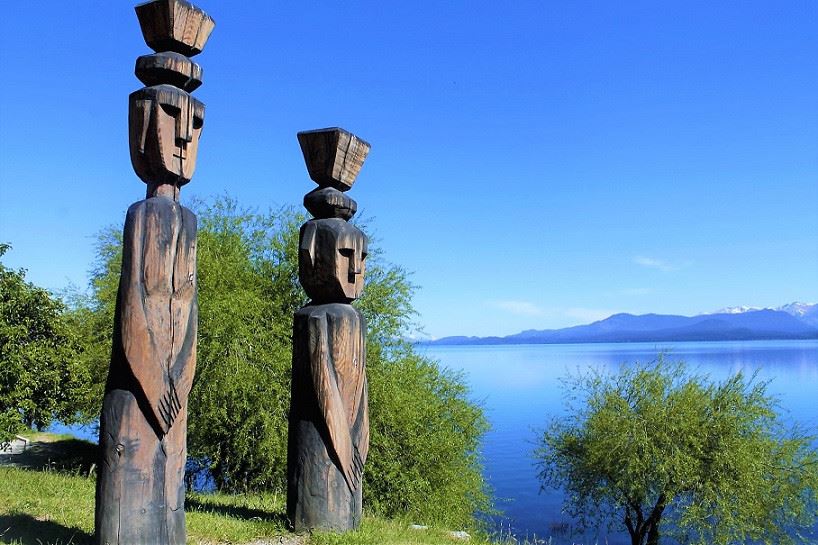
See the Mapuche Totems on the Nahuel Huapi coast
Visit the Skatepark Bariloche

Visit the Museum of Patagonia “Perito Moreno”

Eat more chocolates rich of Argentina


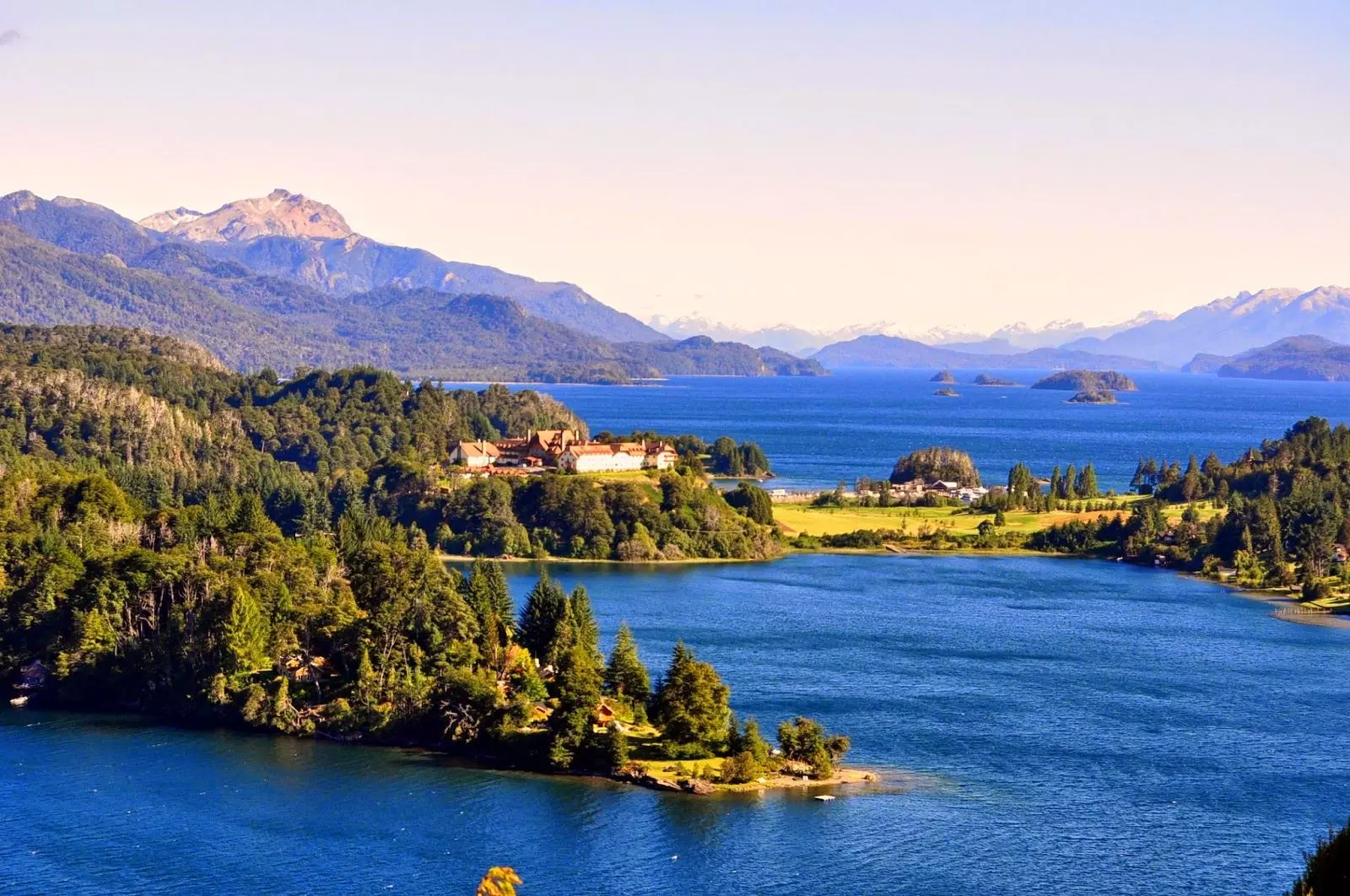
Have tea at the Llao Llao Hotel

Eat the best brunch at El Casco Art Hotel

Stroll through the Feria de los Artesanos

Make the best hiking and trekking circuits

Cerro Campanario


Cerro Tronador

Cerro López
Spend a night in a mountain hut
Refugio Frey

Refugio López

Refugio de la Laguna Negra
Skiing in very cool options
Cerro Catedral
Centro Esqui Nordico

Cerro Otto: Tobogganing and lunch with panoramic views

Navigate to Isla Victoria and Bosque de Arrayanes
Do kayak on rivers and lagos

- Lago Moreno: It is a lake of glacial origin. One of its peculiar characteristics is that it is divided into two portions of similar dimensions, the so-called Lago Moreno Oeste and Lago Moreno Este. Its waters are warmer than those of the other lakes in the area. It has several beaches, some of them are easily accessible by means of paved roads or by boats. On its coasts there are two small tourist towns: Colonia Suiza and Villa Llao Llao.
- Lago Nahuel Huapi: The reason for its waters intense crystalline blue color are due to the fact that it is a lake of glacial origin. It has an area of 557 km² and is situated at an altitude of about 700 meters above sea level. It stands out for its depth and its seven branches or arms: Campanario, de la Tristeza, Blest, Machete, del Rincón, Ultima Esperanza and Huemul.
- Brazo Tristeza: The tour begins at Bahía López, 30 kilometers to the West of Bariloche. During the Brazo Tristeza kayak excursion you will enter this corner of the Nahuel Huapi National Park , where a few minutes after starting you will be able to see the imposing López and Capilla hills . Little by little they will paddle the 15 kilometers in length (it is a circuit for an advanced level), passing through impressive waterfalls, by the Mount Tronador (3,484 meters) with its characteristic snow and glaciers in The hills. You will also travel its coasts with vertical walls and lonely beaches. At the bottom of it, a sandy beach will be the place where they will spend the night together with all the necessary equipment of tents and food. During the afternoon there will be a short trekking near the Victoria waterfall . At nightfall you can enjoy a dinner on the shores of the Lake.

- Lago Mascardi: It is a V-shaped lake, ideal for fishing and sailing. It is located within the Nahuel Huapi National Park and has numerous places for camping and picnics. One of its arms is aligned in a north-south direction (the Cathedral arm), while the other is oriented in an east-west direction (the Thunderer arm). Close to the vertex of the two arms is Isla Corazón.
Explore the Cascada de los Cántaros and Puerto Blest

Visit San Martín de los Andes by the road of the Siete Lagos
Hire the exc visit to the Chico and Grande Circuit

Visit to Colonia Suiza

Rafting in mountain rivers

Río Limay
Rio Manso
A day of fishing
- Limay River: It is one of the best known for its splendor and its qualities for fly fishing. It is the most important river within the National Park, it offers different fishing opportunities for novice or advanced fishermen. It is a refuge for Rainbow and Brown trout and also Patagonian Perch.
- Manso River: This river flows through the Andean valleys, surrounded by green forests and high mountains. The course of the Rio Manso connects with lakes Mascardi, Los Moscos, La Medialuna, Hess and Steffen. El Manso offers the possibility of catching trout Rainbow, Brown and Fontinalis. It is located 65 kilometers from Bariloche.
- Pichi Leufú: In the Mapuche language Pichi-leufu means “small river”, which is the perfect description for this watercourse. It is an incredible river for its environment and for the large quantity and quality of trout that you will be able to find easily.
- Lake Fonk: The Fonck belongs to the Manso river basin, which flows into the Pacific. On its shores there is a free camping area, surrounded by Andean Patagonian forests, which gives it an imposing natural setting.
A spectacular day at Estancia San Ramon

Horseback riding and kayaking in Los Baqueanos
Visit Parque Nahuelito

Enjoy, weather through the beaches of the Lake
- Playa Bonita: It is located 8 kilometers from the center. It is a relatively long beach with small stones. It has in its vicinity with bars, restaurants and kiosks. There are places to rent equipment and practice diving and kayaking. It has lifeguards. From the coast you can see the islands of Huemul, Gallina and Victoria.
- Bahía Serena: It's a 15 minute drive from the city center. In summer it is one of the largest and most popular spas in the Capital of the Lakes. It is a bay with fine sand. The water is a bit warmer in summer, which makes it perfect for the little ones. It has a lifeguard.
- Melipal: It is located at kilometer 4 of Av. Bustillo (5km from the center). You can get there by car or on the buses that leave the center (they all go through the waterfront). The landmark of the descent to the lake is a gas station and a local supermarket. It is a very picturesque beach, with rocks ideal for children to have fun climbing.

- Playa Centenario: It is located in the Ñireco neighborhood, 1.5 kilometers from the shopping center. It is an ideal option to visit even on foot since the route to reach it is beautiful. Its characteristic is that from the beach you can see the center of the city and have the Cathedral of Our Lady of Nahuel Huapi as a reference point.
- Villa Tacul: It is located at kilometer 29 of the Circuito Chico road, passing the Llao LLao. It is a beach surrounded by forest, with calm waters although a little colder than the previous ones. In summer the temperature is between 13° and 14 °C. Water sports are not allowed on this beach, you can only swim.
Visit to El Bolsón
Take the Historic Steam Train

- Grisú: its lounges, corridors and tracks simulate caves. Yes exactly, when you walk through the disco you have the impression of moving through the labyrinthine corridors of a mine. His name is also related to this decoration. Grisú is the name of a gas that usually appears in mines when coal is extracted above all. It has three tracks, in three different levels, and in each one different music is played. So in the same night you can go through a retro moment, listening to music from the '80s; a moment of electronic music and even Argentine music exclusively or only cumbia, quartet and reggaeton. It has capacity for up to 2000 people.

- ByPass: It has two dance floors, three bars, VIP sector, giant screens with high definition, robot lighting and a unique laser in Latin America to enjoy the best effects synchronized with the music. The bowling alley has capacity for 2000 people on two levels. They have three bars where the most varied cocktails in the city are prepared. The funny thing about this album is that the main track is set like a real Roman palace.
- Cerebro: It was inaugurated in 1980, as the most innovative album in Bariloche. It has an avant-garde decoration with two dance floors. The main track with rock music, pop and another track with electronic music. It also has four bars, a lounge, private rooms, robotic lighting, lasers and giant screens. Every night you can live the Fluor Party, with giant characters with led costumes and fluorescent accessories so that all people can enjoy a unique night.
- Genux: It is the youngest album in Bariloche, inaugurated in 1993 and completely renovated in 2011 to acquire its architecture futuristic. You will find three tracks, where international pop, rock, cumbia, reggaeton and electronic music play. They also offer a turbosound sound system and robotic lighting. In addition, if it is luxury, Genux brings the best air shows and freezes the center court with the fabulous Megatron effect (high-powered CO2 cannons). The bowling alley has a capacity for 1800 people and an exclusive VIP area.