When it comes to tourism, the towns of Chilean Patagonia could easily be a chapter of their own. This region, marked by contrasting climates and complex geography, might surprise you as an option for your next vacation. And that's exactly what you'll find in this piece: what to see in southern Chile and how best to plan this adventure.
Which places in Chilean Patagonia should you visit, how long does it take, and how much money do you need? With those questions in mind, we'll try to give you a clearer picture — and suggest the best travel packages to Chile's Patagonian destinations.
Let's get started!
How to split up your trip through Chilean Patagonia
The simplest approach is to split Chilean Patagonia into two large sections. On one hand, Northern Patagonia, which starts in the city of Puerto Montt and stretches to Coyhaique, with the Carretera Austral as its backbone. On the other, Southern Patagonia, which runs from Puerto Natales to Punta Arenas and Torres del Paine National Park, in the Magallanes region.
The connection between the two isn't direct. In fact, if you want to link Coyhaique with Puerto Natales overland, you have no choice but to cross into Argentine territory by car. That's why most travelers combine stretches by car, excursions from a home base city, and domestic flights to cover the longer distances.
Let's look at what awaits you in each region.
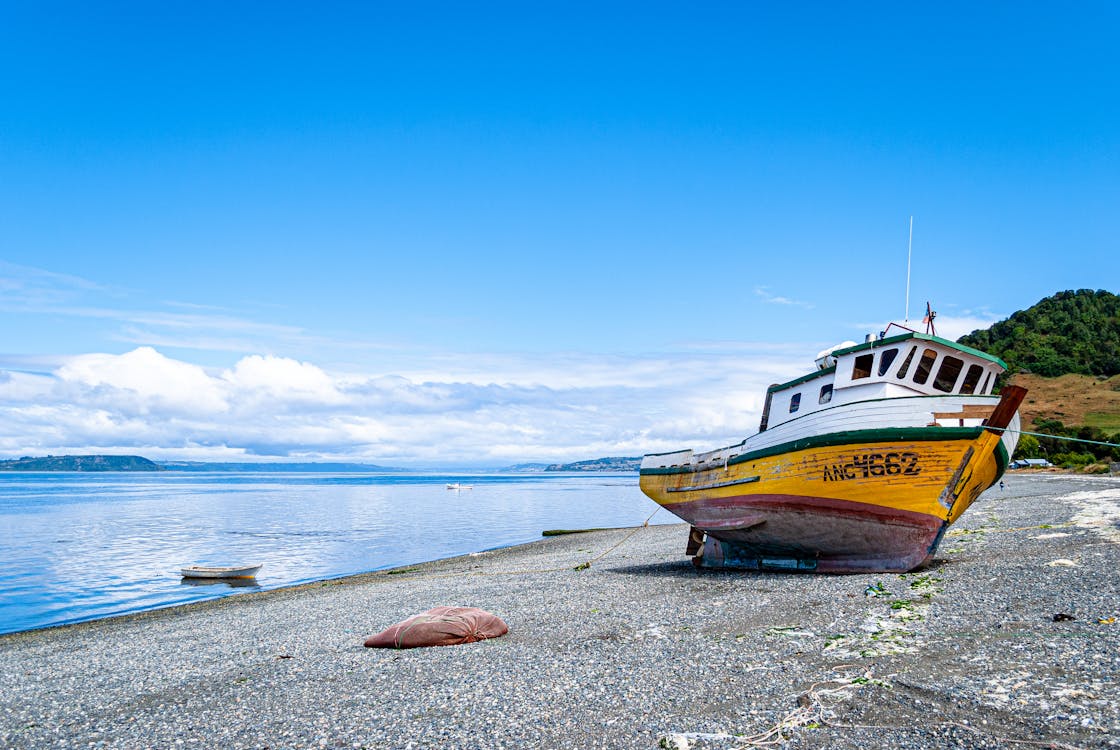
Northern Chilean Patagonia
The ideal amount of time to explore Northern Patagonia without rushing is 7 to 15 days. It's worth dedicating two nights to the island of Chiloé, where Chilote culture, the wooden churches declared UNESCO World Heritage Sites, and the food markets specializing in fish and seafood show you a different side compared to the rest of southern Chile's tourism.
It's also worth spending at least two nights in Puerto Varas, a charming city on the shore of the beautiful Lake Llanquihue, along with the beach-town charm of Frutillar and Puerto Octay. Hopefully you can stay longer, since there's so much to see and do: exploring spectacular volcanoes, lakes, and waterfalls.
A convenient option: booking a travel package to Northern Chilean Patagonia. Our itinerary combines the main excursions from Puerto Varas over several days. The advantage of this package is that it takes the complex logistics of transfers and planning off your plate: all you have to do is enjoy landscapes like Lake Llanquihue, the Petrohué Falls, and the Osorno and Calbuco volcanoes, with transfers and accommodation already sorted.
For those after an unforgettable crossing, the famous Puerto Varas–Bariloche lake crossing departs from here — a scenic route connecting the Andean landscapes of Chile and Argentina. We offer the version departing from the Argentine city.
What to see from Puerto Varas
Puerto Varas sits on the shore of the majestic Lake Llanquihue, offering unbeatable postcard views of the Osorno and Calbuco volcanoes as a backdrop. Its German heritage is reflected in the wooden architecture and in a cuisine where kuchen and chocolate take center stage. The question of what to do in Puerto Varas starts with a stroll along its waterfront, a visit to the iconic Sagrado Corazón de Jesús church, built from native wood, and taking in the calm of the lake.
Its strategic location makes it the ideal starting point for exploring the Lakes Region. Many travelers arrive via Puerto Montt, and the short distance between Puerto Montt and Puerto Varas (just 20 km) makes the transfer easy, or even a single day-tour covering both. Figuring out how to get from Puerto Montt to Puerto Varas is simple, with frequent buses connecting both cities within minutes.
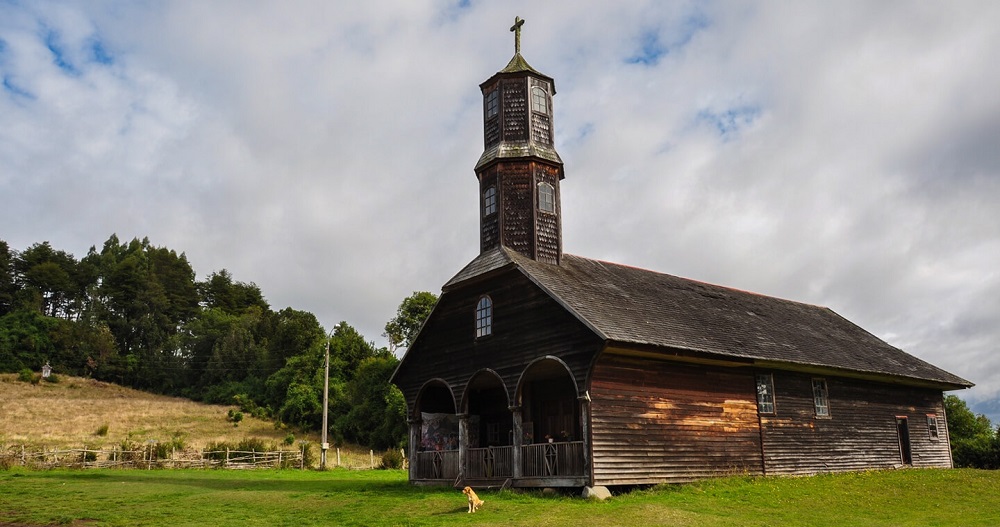
Puerto Montt, the heart of the Lakes Region
Puerto Montt is the main hub of southern Chile and the starting point of the Carretera Austral. Its port-town identity comes alive at the Angelmó Market, a must-visit spot to try fresh seafood and buy local crafts. Even so, for many travelers, its greatest value lies in its role as the gateway to the picturesque Lakes Region.
Chiloé and its wooden churches
Visiting Chiloé feels like stepping into a different world within Chile. That's why, if you're interested in traveling to Chile and staying only in this area, we recommend checking out a suggested 5-day itinerary for Chiloé.
The colorful stilt houses (palafitos) lining the coast of Castro, the wooden churches built by Jesuit missionaries, and dishes based on curanto (a stew cooked in a pit with hot stones) are all part of a unique tradition. Two nights on the island are enough to cover Castro, Ancud, and, time permitting, one of the smaller islands of the archipelago.
Coyhaique: Queulat National Park and the hanging glacier
Coyhaique is the largest city in the Aysén region, and it serves as a base for fishing, hiking, or boating excursions on the nearby rivers and lakes. It's also the place where you can restock supplies, rest in more comfortable accommodations, and sort out the logistics if you plan to continue further south.
Queulat is home to one of Chile's most striking sights: the hanging glacier, a glacier that appears suspended in mid-air. From a lookout point, you can see how waterfalls cascade down from the ice tongue and disappear into the deep green forest below. It's a landscape that moves you, and one that alone justifies the trip to these latitudes. If you're going to be nearby, don't miss the excursion to Queulat National Park and the hanging glacier. Spending two nights in the Puyuhuapi area lets you take in this natural spectacle at a relaxed pace.
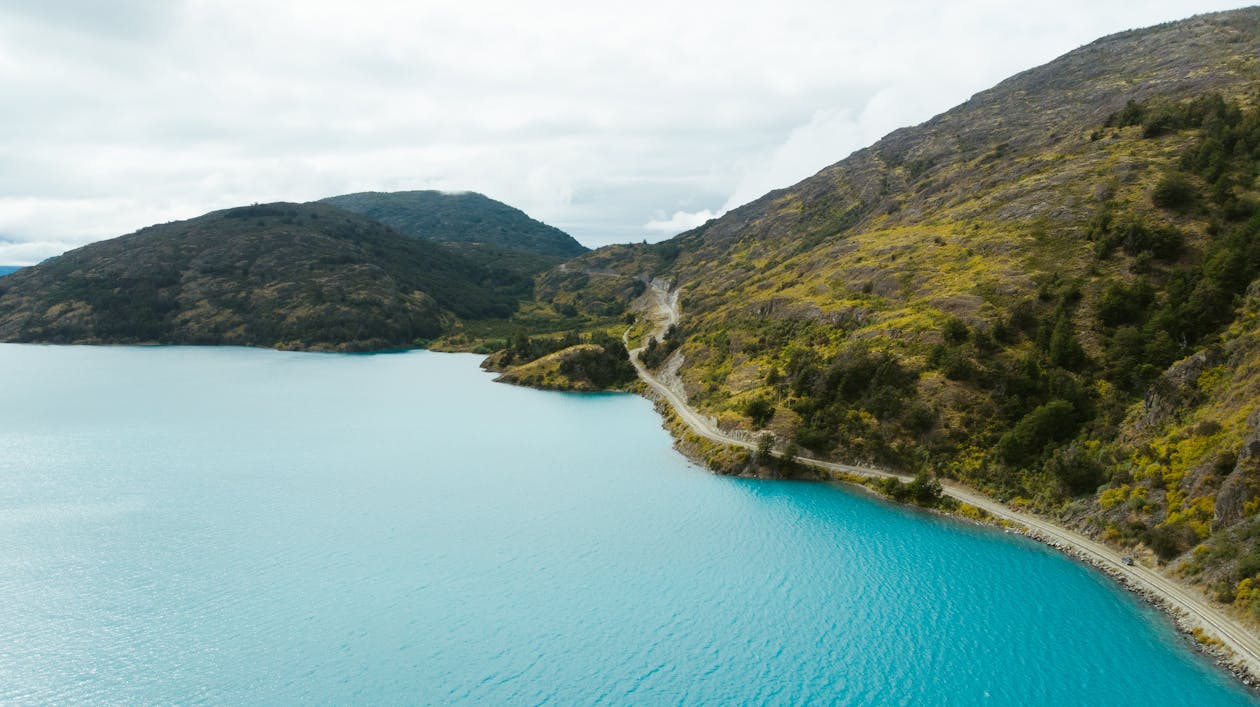
Southern Chilean Patagonia: Patagonian and adventure tourism
The road south along the Carretera Austral reaches Villa O'Higgins, but unfortunately, there's no way to connect directly from there to Punta Arenas or Puerto Natales. That's why most travelers choose to take a flight from Balmaceda Airport to Punta Arenas. It's a stretch best covered by air: crossing it overland by car would mean passing through Argentina, adding a huge number of kilometers, and losing several days.
Punta Arenas: the hub of the south
Punta Arenas is the largest city in southern Chile, and it also serves as the starting point for a trip through the region. It has history, old buildings, and museums that tell you how people lived there and how explorers reached Antarctica. The monumental cemetery is also famous, and its size and upkeep are genuinely surprising.
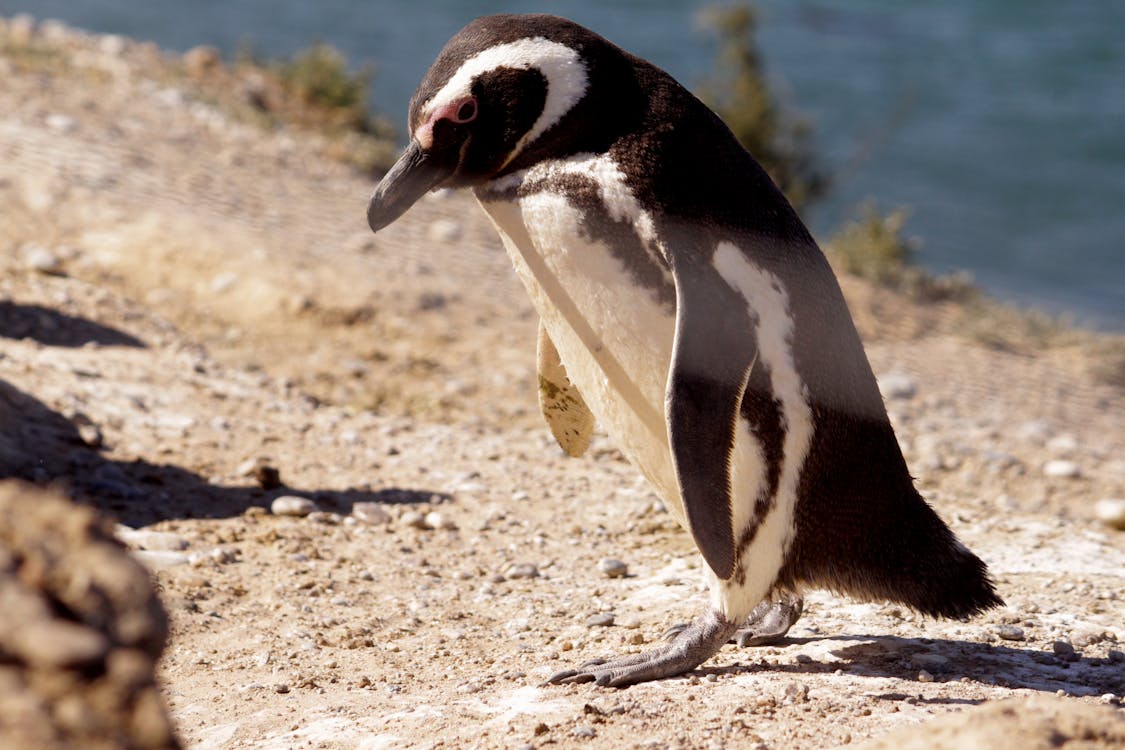
One of our packages to Punta Arenas serves as a way to travel through Southern Patagonia, and you can also go on excursions to see one of the largest penguin colonies around. Magdalena Island is a highlight: watching them walk, swim, or clown around is a sight you can't miss. There are also boat trips through nearby fjords and channels, which are wonderfully calm yet beautiful.
If you love animals, you'll love this area. You won't just see penguins and sea lions — also guanacos, rheas, foxes, and condors. It's like being inside a documentary, except you're part of the scene.
Puerto Natales: Patagonian lakes and glaciers
Puerto Natales is another good base town for exploring southern Chile. It's a calm place, with cafés and restaurants facing the Última Esperanza fjord, and the great thing is you can stroll around without rushing, rest after a hike along natural trails, and head to a lookout to watch the sunset.
One of the best things to do here is sailing through the fjords and glaciers of Puerto Natales. You board a boat and suddenly find yourself surrounded by glaciers, mountains, and water on every side. And if you look closely, you might spot guanacos, condors, and even foxes moving about, completely free.
Torres del Paine: the capital of Chilean trekking
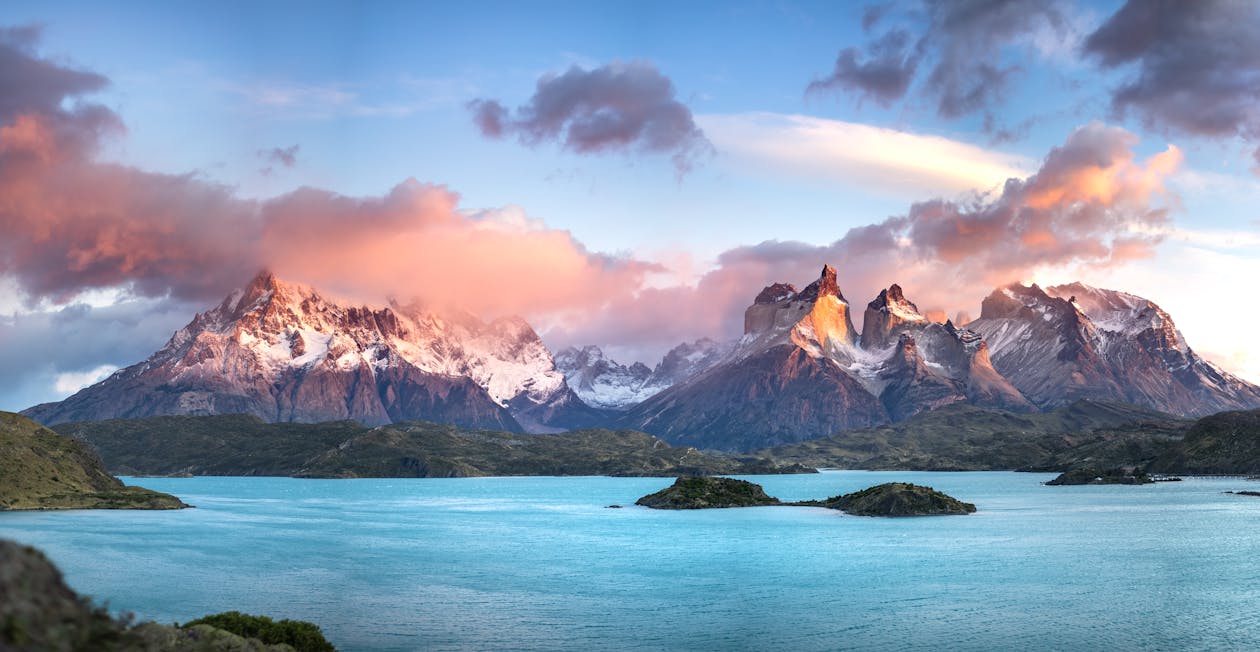
Torres del Paine National Park is the star attraction: the granite towers rising above the valleys, the lakes in intense colors, and the glaciers that reach nearly down to the water make every minute spent driving there worth it. There are both short and longer walks, so there's something to suit everyone.
That's why we recommend checking out our travel packages to Torres del Paine to find the one that best suits what you're after. Torres del Paine Park has viewpoints that will leave you speechless. Some can be reached on a half-hour walk from the base, others take several hours, but in every case, the view makes the effort worth it.
To give you a basic idea, the Circuit O trek is the most complete and demanding route. Meanwhile, the path known as Torres del Paine's W Circuit is friendlier for less experienced hikers, and just as breathtaking in its landscapes and natural postcards.
When is the best time to travel?
The best time to explore Chilean Patagonia is between November and March, when the days are longer, the weather is milder, and the roads are in better condition. January and February are the busiest and priciest months. November and March offer an ideal balance between good weather and fewer tourists.
Winter is beautiful in the northern towns like Puerto Varas or Coyhaique, but the Carretera Austral can have sections cut off, and Torres del Paine is harsher due to snow and extreme cold, though it can be an exciting challenge for more experienced hikers.
When to choose a car, excursions, or flights
- Car: not as necessary in Southern Patagonia as it is in the North, since the distances between Puerto Natales, Torres del Paine, and Punta Arenas can be covered with excursions. That said, if you want total freedom within the park, a car makes it easier to reach the viewpoints on your own.
- Organized excursions: the best option from Puerto Natales to make the most of your time at Torres del Paine, and from Punta Arenas to visit the penguin colonies.
- Domestic flights: essential for connecting Northern with Southern Patagonia, since there's no direct route through Chilean territory.
Differences between Chilean and Argentine Patagonia
Chilean Patagonia differs from the Argentine side in its layout and infrastructure. While on the Argentine side, Route 3 and Route 40 stretch almost like a backbone heading south, in Chile the mountain range, glaciers, fjords, and ice fields divide the territory into sections that were never fully connected by road.
The so-called Carretera Austral, which begins in Puerto Montt and stretches to Villa O'Higgins, is cut off along its final stretch. Further south, to reach Puerto Natales and Punta Arenas, you have to fly, take a boat, or even cross through Argentine territory. That said, the connection between the two countries holds a unique charm for those who enjoy road trips: that's why our self-drive trip through Argentina and Chile package focuses on this stretch, departing from El Calafate.