When you feel the urge to escape to the beach, you must follow that impulse. If your body is asking for rest, a connection with the water and sand is a guarantee. Furthermore, luckily, you don't need to wait for summer to have a good time on the coast.
Whether in Argentine beaches near Buenos Aires or the closest ones in Brazil and Uruguay, you can take advantage of the good weather, cultural variety, and much more. For this reason, this guide brings some ideas so you can organize your next vacation without covering huge distances or stressing about carrying too much luggage. You will also find options for tours and excursions in Buenos Aires that may come in handy to complement your itinerary.
What is the closest beach to Buenos Aires?
When one thinks of a beach getaway from Buenos Aires, many imagine the Atlantic Coast. However, less than an hour from the Federal Capital, an alternative exists, and more and more people are choosing it for the reasons we will point out. We are talking about Punta Lara, a riverside town located in the Buenos Aires district of Ensenada. It is in a well-preserved natural environment and near a picturesque city, making it ideal for spending the day or even staying for the weekend.
On the shores of the Río de la Plata, Punta Lara offers wide beaches of sand and grass, with equipped beach bars, areas with umbrellas, grills, public restrooms, and an extensive, recently renovated coastal promenade. What differentiates it from other river beaches is its infrastructure designed for local tourism: there are bike paths, parking lots, craft markets, fairs with regional and homemade food, children's playgrounds, and even outdoor shows during the summer.
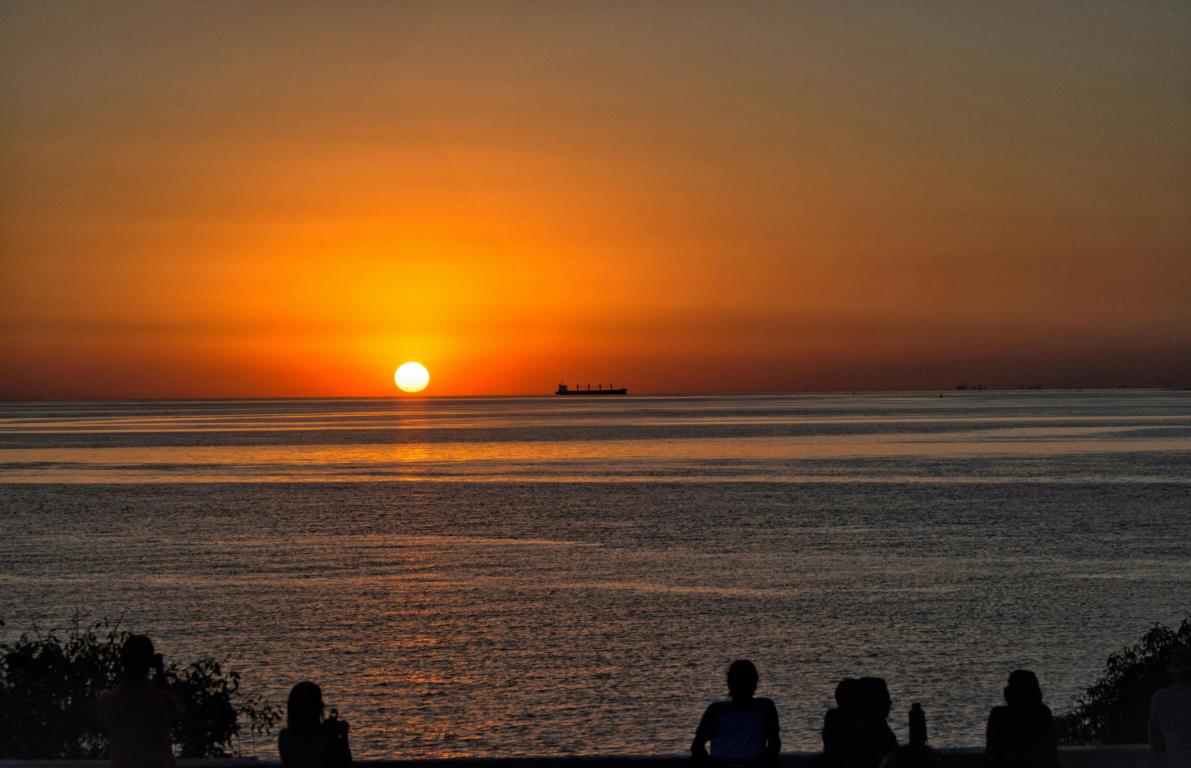
What to do in Punta Lara
One of the main attractions is the Punta Lara Tourist Circuit, which covers 10 kilometers of coastline, recreational areas, an eco-park, and a protected natural reserve. Those visiting the area can walk along trails among willows and ceibos, go birdwatching, and be surprised by the sighting of native species of the river wetland. This circuit is part of a local policy that promotes access to leisure, culture, and the environment for the entire population.
Likewise, the Coastal Gastronomic Walk and the Martín Rodríguez Park concentrate options for all ages. You can also visit the historic Nuestra Señora de la Merced Chapel, located in what was once a rural outpost, or enjoy a free concert or festival in the amphitheater facing the river. All this without losing the "mini-trip" feeling one experiences as soon as they step on the sand.
Punta Lara became a key point for contact with nature, but also for beach getaways without leaving the province: it has good connectivity from La Plata and the City of Buenos Aires, both by car and by bus. Its proximity makes it a highly chosen option by families, groups of friends, and occasional visitors who do not want to travel hundreds of kilometers to cool off by the water.
How to get to Punta Lara from Buenos Aires?
By car: From CABA you can take the Buenos Aires–La Plata Highway (AU1), then exit towards Provincial Route 11 (the road to Punta Lara). In total, it is about 55 km, and the trip takes about 50 minutes to 1 hour, depending on traffic.
By bus: From Plaza Constitución, bus line 338 (Expreso La Plata) departs, which can be combined with local lines from La Plata (such as line 214, Punta Lara branch). There are also direct services that depart from Retiro or Constitución depending on the day.
Punta Indio, one of the best beaches near Buenos Aires Capital
Now, if you are looking to extend the adventure a little further, an excellent option is to travel to the southeast and discover Punta Indio, a destination located 150 kilometers from CABA and only 80 kilometers from the city of La Plata.
This young Buenos Aires municipality proposes to develop tourism with a sustainable outlook and is part of the UNESCO "Man and the Biosphere" program thanks to its Parque Costero del Sur Biosphere Reserve, an environment of unique ecological and cultural value in the region.
In addition to its quiet beaches and natural spirit, in Punta Indio, you can visit the Pipinas Open Museum —a series of community murals that tell the local history— and the Punta Indio Space Center, where prototypes of the CONAE's Tronador Project are tested. Interesting options to disconnect from the routine and explore the province easily and comfortably.
How to get to Punta Indio from Buenos Aires?
By car, you arrive via Provincial Route No. 36 heading south. It is about 150 km from CABA (about 2.5 hours). You can take the Buenos Aires–La Plata Highway, then connect to RP 36 towards Pipinas or Verónica (two of the main towns in the Punta Indio district).
There are also bus services that depart from La Plata or Constitución to Pipinas or Verónica, with companies like Costera Metropolitana or Unión Platense. Another alternative is to take a train from Constitución to Alejandro Korn station, and then combine it with a bus that takes you directly to Punta Indio. The trip is longer than to Punta Lara, but it is still accessible for a weekend getaway.
San Clemente del Tuyú, the ocean beach closest to Buenos Aires
If what you are looking for is a beach with waves, the smell of salt, and a marine horizon, without going too far, San Clemente del Tuyú is your best option. This town in the La Costa district is the closest to the Atlantic Ocean from the City of Buenos Aires, and it became a classic for those who want to spend a few days at the sea without making a long or expensive trip. It is located about 320 kilometers from CABA, which is equivalent to about 3.5 hours by car, depending on traffic.
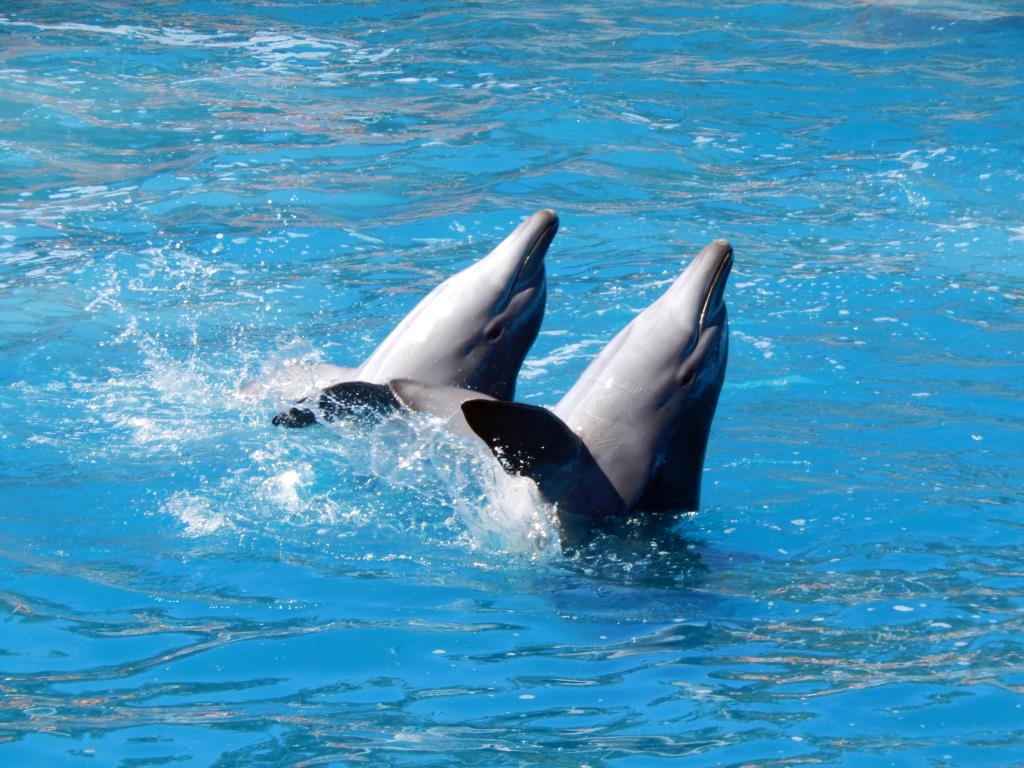
San Clemente offers an ideal combination between tranquility and tourist services. Unlike other Atlantic beaches that are usually crowded in high season, here the pace is calmer. Its beaches are wide, with low dunes, calm waters, and a family atmosphere. It is common to see children playing with buckets, families having a snack under umbrellas, or groups of young people enjoying the sunset with mate and soft music.
One of the city's great attractions is Mundo Marino, the largest oceanarium in South America, which for years was the main reason why many families chose this destination. But San Clemente also offers other interesting plans to do in a group and have direct contact with the coastal fauna and flora, such as the Punta Rasa Natural Reserve, where the Río de la Plata merges with the sea and it is possible to see migratory birds, walk among reed beds, or simply contemplate the strength of the water and the wind.
Another strong point is the Termas Marinas, a thermal complex located inside the Cosme Argerich Municipal Nursery, ideal for enjoying saltwater pools at different temperatures.
The city has a varied hotel offer, campsites, family inns, and temporary apartments. There is also local gastronomy, with seafood dishes, homemade pasta, and classic Buenos Aires specialties. The shopping center is small but active, ideal for strolling in the afternoon, having an ice cream, or buying a souvenir.
Beach getaway in San Clemente del Tuyú: activities and how to get there
In summer, the municipality organizes free activities on the beach, entrepreneur fairs, and outdoor shows. The boardwalk is renovated and has shaded areas, benches, lighting, and direct access to the sand. All this makes San Clemente a nearby, accessible, and enjoyable beach for those who live in Buenos Aires or surroundings.
Another advantage is the good road connection: you arrive via Autovía 2 until Dolores, then take Provincial Route 63 and finally Route 11. There are also buses that depart from Retiro and other terminals to San Clemente every day, which allows traveling without needing your own car.
Due to its proximity, affordable prices, and variety of proposals, San Clemente del Tuyú is a gateway to the Buenos Aires sea, and an excellent option for those who want to enjoy the beach without going to Brazil or traveling half the country. With its own identity and human scale, this coastal city remains a discreet but very beloved jewel for generations of Argentine tourists.
Praia do Cassino, the Brazilian beach closest to Buenos Aires
Already thinking about a foreign destination, if you feel like traveling a little more to reach a paradisiacal-style beach, it is important that you know this fact: Praia do Cassino, located in the Brazilian state of Rio Grande do Sul, and with a valuable attraction such as having the longest beach in the world, with between 212 and 254 km of continuous coast.
One of the reasons why many Argentines choose it is its price-quality ratio: according to reports, vacationing there can even be cheaper than doing so in several Buenos Aires destinations. According to Booking, you can find accommodations from 50 dollars a night.
In addition to allowing you to spend a few days sunbathing and swimming in the Brazilian sea, Praia do Cassino offers other tourist attractions, such as a visit to the Albardão Lighthouse, one of the oldest in Brazil, or the Oceanographic Museum.
From Buenos Aires, the trip by vehicle can take about 14 hours, but every minute is worth it, since you will cross the Río de la Plata by ship to Colonia del Sacramento, and travel through the Uruguayan routes and the extreme south of Brazil surrounded by incredible landscapes. Another option is to take a short flight from Buenos Aires to the city of Pelotas, and once there, travel to the city of Cassino in an hour by car.
Crossing the pond: Uruguay beaches near Buenos Aires
Uruguay is a classic getaway for those who live in Buenos Aires and want a change of scenery without traveling long distances. Only an hour by ship from Puerto Madero, Colonia del Sacramento is the first natural stop: a historic city with cobblestone streets, old buildings, and calm river beaches, ideal for resting, walking, or watching the sunset. Although it does not have open sea, it is perfect for a short, cultural, family, or romantic getaway.
A little further east, Montevideo offers urban beaches like Pocitos, Ramírez, and Carrasco, all on the Río de la Plata. Wide, clean, and with many bars and beach stands. They are a good option for those who prefer a more modern and busy environment, with a rambla, bike paths, and some other cultural proposal. From Buenos Aires, you can arrive by ship directly or by combining ship and bus.
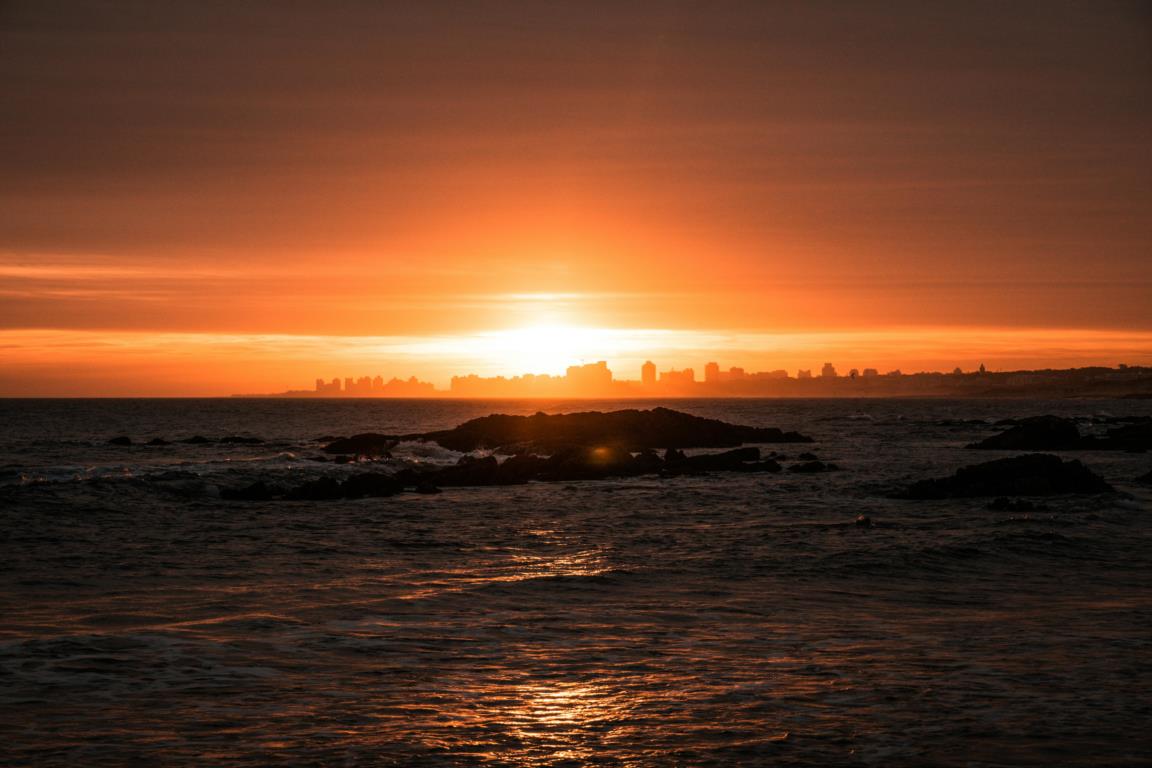
If you are looking for open sea, the first oceanic beaches appear in Atlántida and Parque del Plata, located about 50 kilometers from Montevideo. They are quiet resorts, with affordable prices and a family atmosphere, ideal for resting without spending too much. Further on, Piriápolis, ideal for walking, drinking mate on the warm sand, and contemplating the Atlantic sea. It is one of the favorite destinations for those looking for relaxation without giving up natural beauty.
Finally, Punta del Este is the best-known beach in Uruguay. Although more exclusive and expensive, many people choose it for its spectacular city and nightlife, and its iconic beaches, such as Brava and Mansa. It is easily reached from Montevideo, and it is a good option for those who want a more sophisticated experience without leaving the country.
Traveling from Buenos Aires to the Uruguayan coast is simple: there are daily ships to Colonia and Montevideo (Buquebus, Colonia Express), and from there, you can continue by bus or rented car. Uruguay offers varied beaches for all tastes and budgets, just a few hours away.
Escape!
From the riverside beaches of Punta Lara to the oceanic immensity of Praia do Cassino, passing through the coasts of the Partido de la Costa and the charms of the Uruguayan coast, the options to enjoy the water in places with beaches near Buenos Aires are many and very varied. Whether you are looking for nature, relaxation, learning about new cultures, or living an adventure, there is a nearby destination that adapts to your desires, your budget, and your available time.
The interesting thing is that you don't need to travel hundreds of kilometers or have a large budget to live a complete beach experience. In a few days or even a weekend getaway, you can discover unique corners, enjoy the river or the sea, and reconnect with rest. Because sometimes, what we need most is much closer than we think.