
Uruguay has established itself as a notable player on the world wine map, largely thanks to its signature grape: Tannat. The country now has close to 6,000 hectares under vine, more than 860 growers, and 164 active wineries, according to figures from the National Institute of Viticulture (INAVI).
The grape arrived from southwestern France in the late 19th century, and today accounts for more than a quarter of the country's total vineyard area. At this point, it can no longer really be called an "imported" grape, since it has found its own distinct expression in Uruguay's oceanic climate and soils, quite different from that of its region of origin.
International recognition has followed this story: in 2025, Bodega Garzón ranked 4th in the World's Best Vineyards list, the only Uruguayan winery among the world's top 50 for wine tourism. This is solid proof that Uruguay is increasingly part of the global wine conversation.
Uruguay's temperate climate, shaped by strong oceanic influence, is ideal for viticulture. Warm summers and cool winters, with well-distributed rainfall, allow the vines to develop their best characteristics. This combination of climate and varied soils results in wines with plenty of personality and elegance.
From historic Colonia del Sacramento to glamorous Punta del Este, and on to the country's northern coast, Uruguayan wineries welcome visitors from all over the world with increasingly sophisticated experiences suited to every type of traveler. And around Montevideo, especially in the Canelones department (which holds more than 60% of the country's vineyard area), many wineries offer complete packages combining tours, tastings, and lunches.
To make the most of Uruguayan wine, it helps to know which wine routes and circuits to follow. Below you'll find the best guide and recommendations for food tours and wine tastings at wineries across Uruguay.
Wine Tastings and Lunches at Wineries near Montevideo
Many of the country's most complete wine experiences are found in and around Montevideo. This comes down, in large part, to one clear advantage: proximity. Unlike other wine circuits in the region, there's no need to plan a full-day excursion or travel long distances to combine vineyard, cellar, and table in a single outing.
Historic wineries like Santa Rosa, just steps from the port and the hotel district, coexist with family-run projects like Spinoglio, Pizzorno, and Bouza, all located barely 20 kilometers from downtown, right in the wine-growing heart of Canelones. That closeness allows for something rather unusual in the wine world: enjoying lunch among the vineyards and being back at your hotel well before dinner.
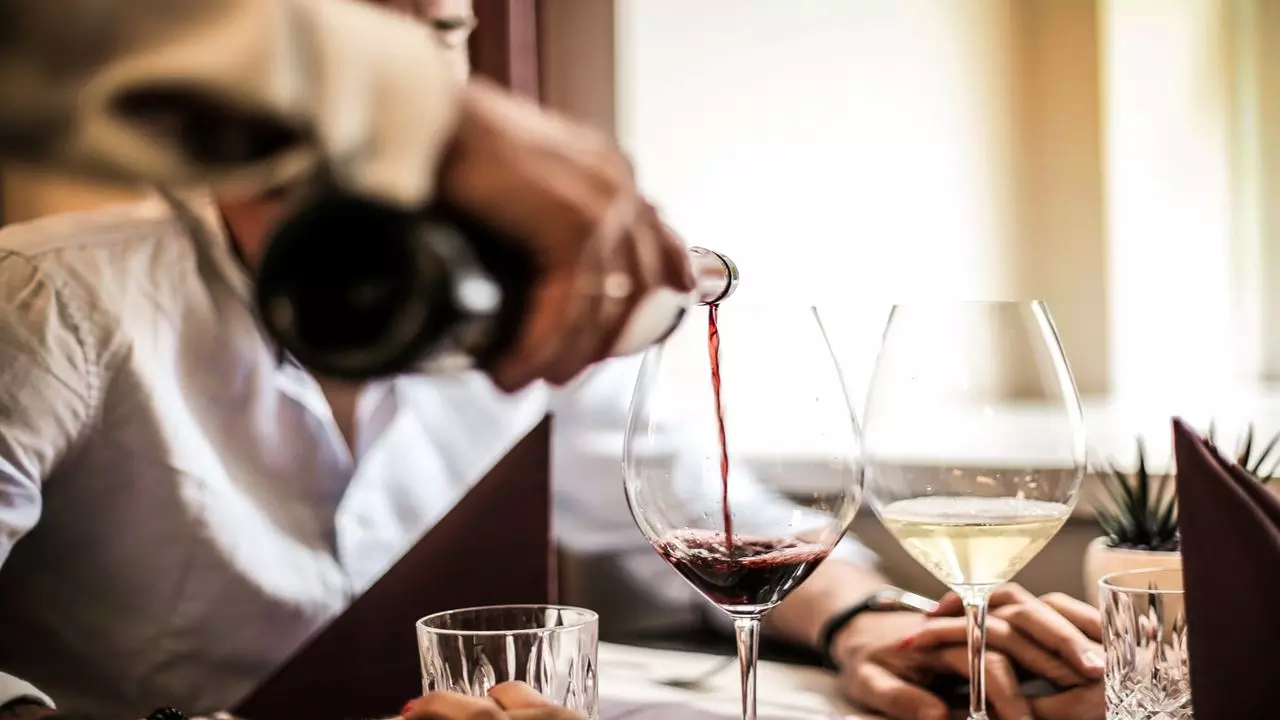
Access is easy year-round, whether through a booked semi-private transfer or self-driving, and most wineries operate morning schedules that stretch through the leisurely after-lunch "sobremesa." Harvest season, between February and March, is the top choice for those who want to see the grape harvest and winemaking process firsthand, while autumn, with its golden vineyards and mild temperatures, is ideal for travelers who prioritize scenery and a slower-paced visit.
Bodega Santa Rosa, Montevideo
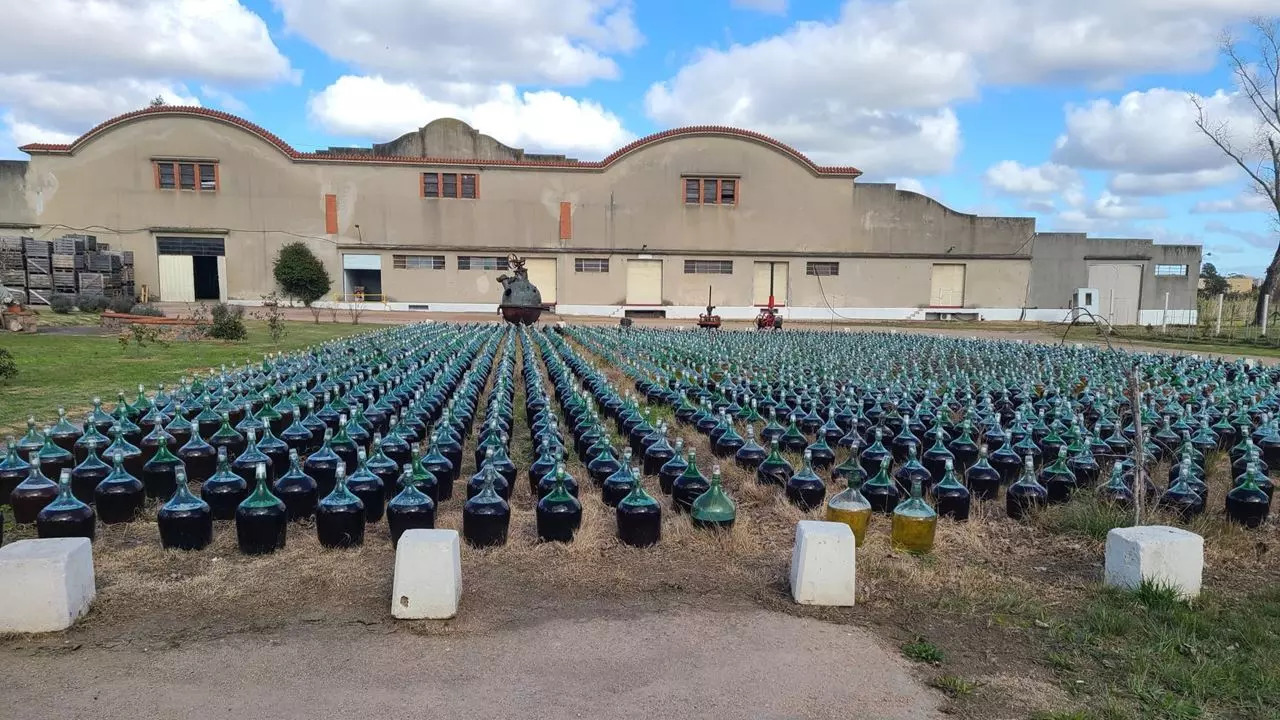
Visiting Bodega Santa Rosa in Montevideo means immersing yourself in Uruguay's wine history and tradition. Founded in 1898, with 126 years of history behind it, it's the closest winery to the capital's port and hotel district. With the feel of a small French "château" set in Montevideo, every visit promises a well-matched pairing and a deep dive into winemaking tradition, but one experience stands out above the rest: descending into its underground cellar to taste the wines right there.
The experience opens with a brief introduction to the winery's history over a welcome glass of wine. During the tour, a member of the host family walks visitors through the winemaking process, from harvesting the grapes to labeling and distribution.
One tasting option includes a sampling of different wines paired with matching bites in the underground cellar. The historic setting, combined with the wine and pairing selection, makes for an unforgettable experience.
Another tasting option takes place in the winery's Cava Museo (Cellar Museum), home to more than 120 years of family history. Here, visitors learn the story behind the cellar and the very spot where the prestigious Fond de Cave natural sparkling wine rests, along with a tasting of the winery's most iconic labels.
The last option invites you to sit at the family's own table and try the region's best wines over a three-course lunch: starter, main course, and dessert. It's a more intimate experience, perfect for uncovering all the secrets and history behind the winery.
Bodega Spinoglio, Montevideo
Bodega Spinoglio is another excellent choice for a half-day wine and food experience. This visit walks you through the history and culture of Uruguayan wine over a four-course lunch at MonfrÀ, the winery's restaurant, paired with exclusive wines from its own selection, all set against a beautiful vineyard backdrop.
The winery stands out for its elegant architectural style, designed by French master builders. Over more than 60 years, technology has continuously added new tools for producing premium wines. One highlight is the cellar, protected by sturdy stone walls that naturally regulate temperature and humidity.
The experience begins around 11:00 a.m. at Bodega Spinoglio and lasts approximately two hours. It opens with a guided, educational walk through the vineyard, the winery, and the century-old cellar, followed by a tasting of premium wines paired with a selection curated by the chef.
Bodega Pizzorno
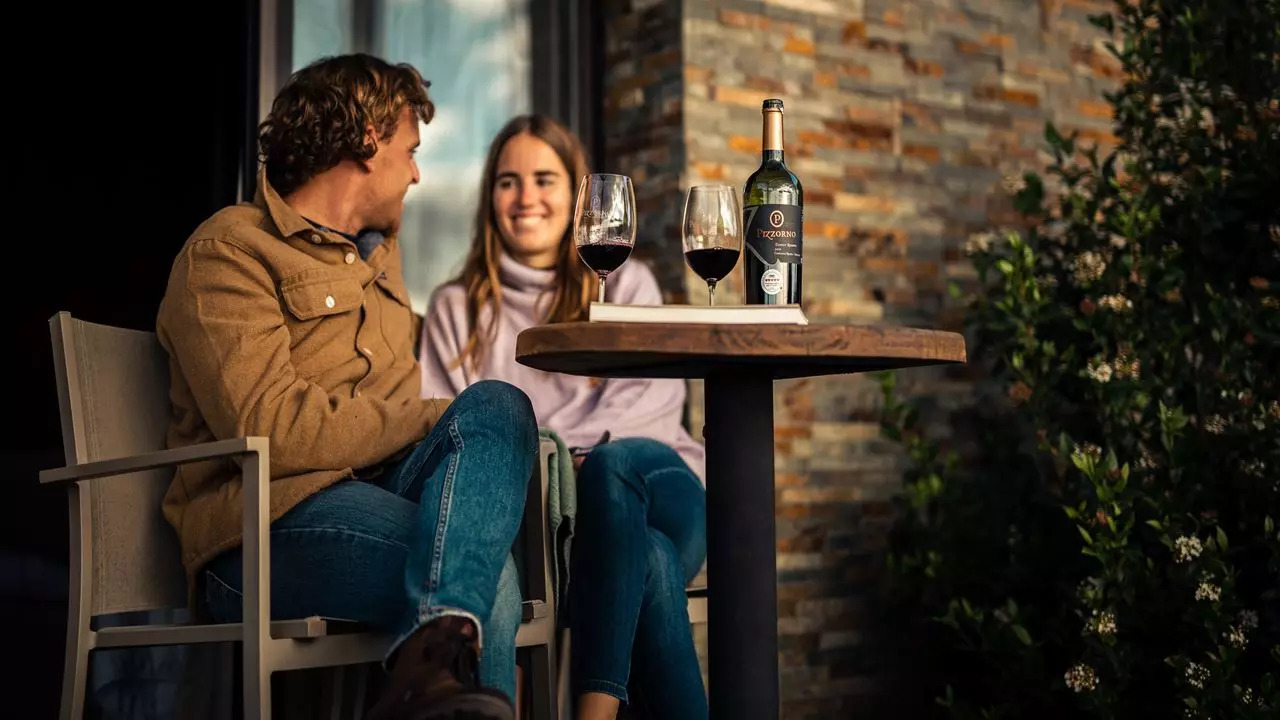
Just 20 kilometers north of Montevideo, in the Canelones department, Bodega Pizzorno awaits. This family-run winery produces excellent-quality wines and stands out for its commitment to cutting-edge technology.
Here, visitors get the chance to spend a special day tasting mid- and premium-range fine wines. You'll be able to see the production methods up close and take in the beauty of the landscape. An expert guide leads the way through the vineyards and plantations, sharing the history and legacy the Pizzorno family has built up over generations.
The wines are kept under precise temperature and humidity conditions in the winery's cellar, aged in oak barrels sourced from both American and European origins, which give the wines a perfect balance between fruit and wood notes, preserving intense fruity aromas, body, and a distinctive character.
The tasting includes up to four of this winery's most acclaimed fine wines in Uruguay. To round off the day, visitors are treated to a delicious three-course lunch with dessert and a drink, the perfect complement to the wines tasted.
Bodega Bouza
A must for wine lovers is a visit to the renowned Bodega Bouza. Located about 20 kilometers from Montevideo, this winery welcomes visitors with a tasting of classic Uruguayan wines set among the vineyards and production facilities.
A distinctive feature of Bodega Bouza is the chance to admire the family's fascinating classic car collection, an extra touch that makes the visit a truly unique experience.
After about 45 minutes of touring, the tasting takes place. You'll be served four wines: a glass of Bouza Chardonnay, one of Parcela Única Merlot, one of Monte Vide Eu, and one of Bouza Tannat. These are paired with a carefully curated selection of bites designed to create an excellent match with the chosen wines.
Wineries in Colonia del Sacramento: Tastings and Wine Tours
Colonia del Sacramento has established itself as a highly accessible tourist destination thanks to its proximity to Montevideo (about 180 kilometers away), but it has also become an important wine-growing region in Uruguay. Long-established wineries and boutique estates make up a circuit built around innovation and limited-edition, premium wine production.
Tannat is the undisputed star grape here, though varietals like Merlot, Cabernet Sauvignon, and Sauvignon Blanc also thrive. As for visiting wineries in Colonia, the big advantage is their proximity to the historic town center, itself an unmissable stop and perfect for a city tour.
Wine Tours and Tastings in Punta del Este
Leaving Colonia's history behind, we head east to Punta del Este, one of Uruguay's most popular and glamorous destinations. Known as the "Pearl of Uruguay" for its white sand beaches, pine forests, clear waters, and sophisticated atmosphere, wine has carved out its own place here too.
Punta del Este is split into two main areas: Playa Mansa, with calm waters ideal for families, and Playa Brava, famous for its waves and its iconic "La Mano" sculpture. For wine lovers, the surrounding countryside offers experiences suited to a variety of tastes. Let's look at a few wine gems from this one-of-a-kind destination.
Bodega Garzón
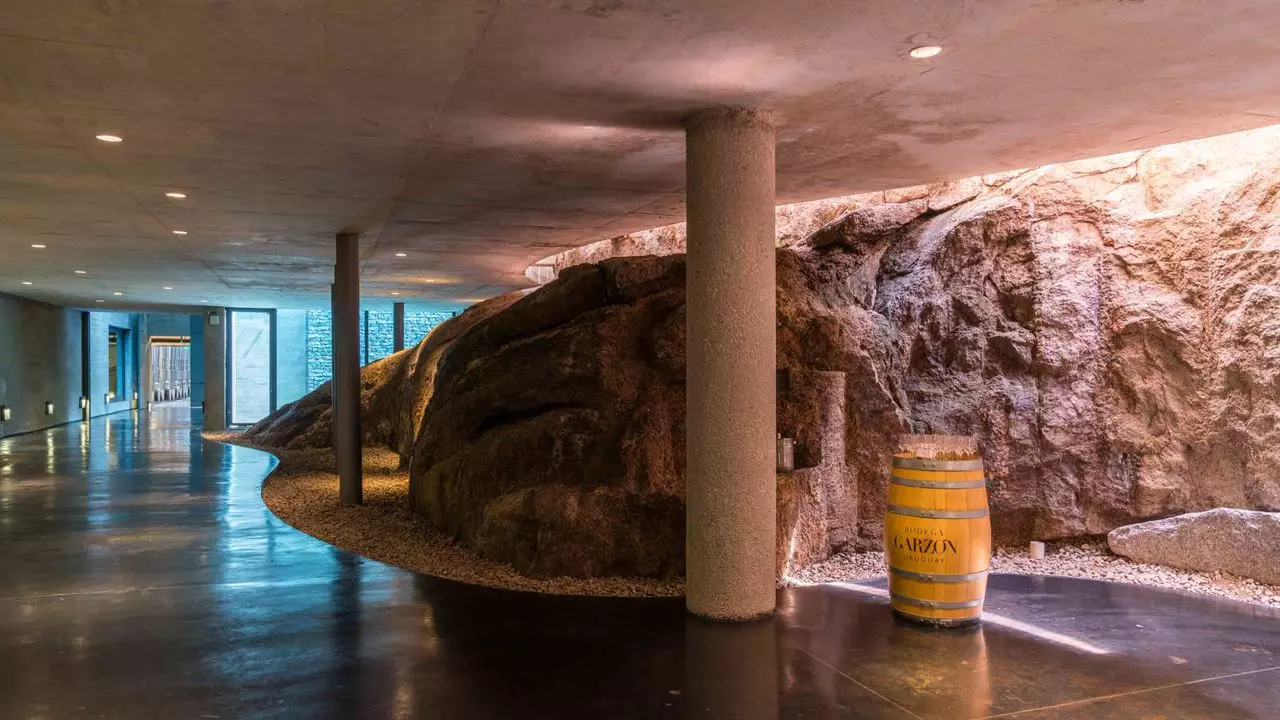
Bodega Garzón offers a unique culinary experience just a short trip from Punta del Este. The route leads inland into the Maldonado department, a region of rolling hills and countryside that blends beach-town activity, like that of Punta del Este, with agricultural and livestock production.
The winery sits about 69 kilometers from Punta del Este, a trip of just over an hour. Its vineyards grow grape varieties shaped by Atlantic influence; among the reds, Tannat stands out as Uruguay's flagship grape, alongside Petit Verdot, Marselan, and Cabernet Franc.
The visit begins around 11:30 a.m. with the "Reserva Experience," a bilingual tour of the facilities to learn about the winemaking process and taste four wines from the Reserva line.
Afterward, a four-course paired lunch is served at the winery's restaurant. Each dish is designed to complement the selected Reserva line wines, along with water and coffee. The return to Punta del Este is scheduled for around 3:30 p.m., wrapping up an experience that brings together the region's gastronomy, scenery, and winemaking.
The winery's prestige is no accident: in 2025, Garzón claimed 4th place in the World's Best Vineyards ranking, which evaluates the world's top wine tourism experiences each year based on architecture, sustainability, gastronomy, and hospitality. It's the only Uruguayan winery in that global top 50, an achievement that firmly establishes Maldonado as one of South America's most important wine destinations.
Wineries on Uruguay's Northern Coast
Beyond the classic Montevideo–Colonia–Punta del Este circuit, the country's northern coastal region holds a key chapter in Uruguayan wine history. It was precisely in Salto, around 1870, that Pascual Harriague planted the first Tannat vines, giving rise to Uruguay's wine industry.
Today, departments like Salto and Rivera, near the border with Brazil, are developing an emerging but distinctly identified wine tourism scene, supported by soils and microclimates quite different from those on the southern coast. Wineries in this region, such as Bodega Cerro Chapeu in Rivera, offer a chance to discover a lesser-known side of Uruguayan wine, ideal for travelers who have already explored the south of the country and are looking for an experience further off the traditional tourist trail.
Other Must-Visit Wineries on the Wine Road (Los Caminos del Vino)
Uruguay has dozens of wineries associated with Los Caminos del Vino (ATEU), the network that brings together the country's leading family-run tourist wineries. A few names worth keeping on your radar for a future visit:
Bodega Narbona (Carmelo, Colonia): one of the best-known boutique wineries on the coast, with top-notch accommodation and dining.
Familia Deicas (Juanicó, Canelones): a family tradition with a refreshed culinary offering at its estate restaurant.
Alto de la Ballena (Maldonado): a small, pioneering winery in the Sierra de la Ballena area, focused on artisanal, small-batch wines.
Viña Edén (Maldonado): vineyards set along the hills of Pueblo Edén, with a distinctive mineral character.
Bodega Artesana (Las Brujas, Canelones): a boutique winery located within the protected wetlands of the Santa Lucía river.
What's the best time to visit wineries in Uruguay?
Harvest season, between February and March, is the most special time to witness the winemaking process firsthand, though wineries welcome visitors year-round. Autumn (March to May) offers golden vineyard landscapes and pleasant temperatures for exploring outdoors.
Can you visit more than one winery in a single day?
Yes, especially in Canelones and around Montevideo, where several wineries sit close to one another. It's one of the most popular combinations for travelers with only one day to spare.
Do I need to book in advance?
Yes. Most wineries operate with limited spots for their tastings and lunches, so it's recommended to book at least a few days ahead, especially during high season (December to March).
Which winery has the most significant international recognition?
Bodega Garzón, located in Maldonado, ranked 4th in the World's Best Vineyards 2025 list, the only Uruguayan winery in the global top 50.
Which grape variety shouldn't I miss in Uruguay?
Tannat, the country's flagship grape, is an absolute must. But it's also worth trying Albariño, a white variety that's growing fast among Uruguayan wineries.
Tannat grapes originate in the Madiran region of southwestern France and arrived in Uruguay in the 1870s. It was Basque-French immigrant Pascual Harriague who found in this grape the ideal variety to adapt to the country's climate and soils. Its mark was so strong that, for decades, Tannat was known locally simply as "Harriague."
While in France this variety now covers less than 1% of planted vineyard area, in Uruguay it accounts for more than a quarter of the total, making the country the world's leading Tannat producer. Its signature profile includes deep color, pronounced tannins, and solid structure, which naturally made it the perfect match for asado, the centerpiece of the Uruguayan table.
Over the years, local winemakers have learned to tame those tannins, and today Tannat comes in far more versatile styles, from age-worthy reds to fresh rosés and sparkling wines.
For those who want to go beyond this guide, the National Institute of Viticulture (INAVI) and the Enoturismo Uruguay project publish updated information on tourist wineries across the country, including emerging areas like the northern coast.