
Punta del Este has a reputation as a luxurious, glamorous destination. However, this Uruguayan city in the Maldonado department has much more to offer the thousands of visitors it welcomes every year. You don't need a huge budget to see it: knowing how to plan and organize is enough.
If you have a few days in summer and you're planning a trip to the Uruguayan coast, this guide can help you find your own way to discover "The Pearl of the Atlantic," its beaches and cultural activities. You'll find accommodation options, activities and excursions in Punta del Este to put together the best possible itinerary.
How to Get to Punta del Este from Buenos Aires
From Buenos Aires, getting there is easier than it seems. The most practical and quickest way is by plane. Direct flights run year-round from Aeroparque Jorge Newbery to Laguna del Sauce International Airport.
Another very popular, and more affordable, option is to combine the ferry to Montevideo (or Colonia del Sacramento) with a bus to Punta. Buquebus and Colonia Express sell integrated packages with coordinated schedules.
You can also get there by car, covering around 900 kilometers by road, crossing through Gualeguaychú and the Libertador General San Martín International Bridge. While it's a long trip, it lets you travel at your own pace and explore other Uruguayan cities along the way.
Hotels in Punta del Este
Accommodation in Punta del Este is spread across different strategic areas and is very varied. From resorts with built-in entertainment facing Playa Mansa, to design-focused options facing the waves of Playa Brava, or artistic enclaves in Punta Ballena.
Your choice of hotel shapes much of the trip's logistics. Let's look at the best four- and five-star options, which stand out for their services, location and facilities.
- Enjoy Punta del Este (5 stars): located at Parada 4 of Playa Mansa, this building, formerly known as the Conrad, is the largest resort and casino in the region. It has nearly 300 ocean-view rooms, a convention center, a spa with heated pools, and several international dining restaurants. It's the right choice for travelers looking for continuous entertainment, proximity to the center of the peninsula, and full services without ever needing to leave the resort.
- The Grand Hotel Punta del Este (5 stars): Located at Parada 10 of Playa Brava, this hotel stands out for its modern architecture and focus on sustainability. Its rooms offer direct views of the Atlantic Ocean. It has high-end services such as a spa with Roman baths, indoor and outdoor pools, and a chef-driven restaurant. It's a great choice for those who prefer a calmer setting facing the open sea, without straying far from downtown.
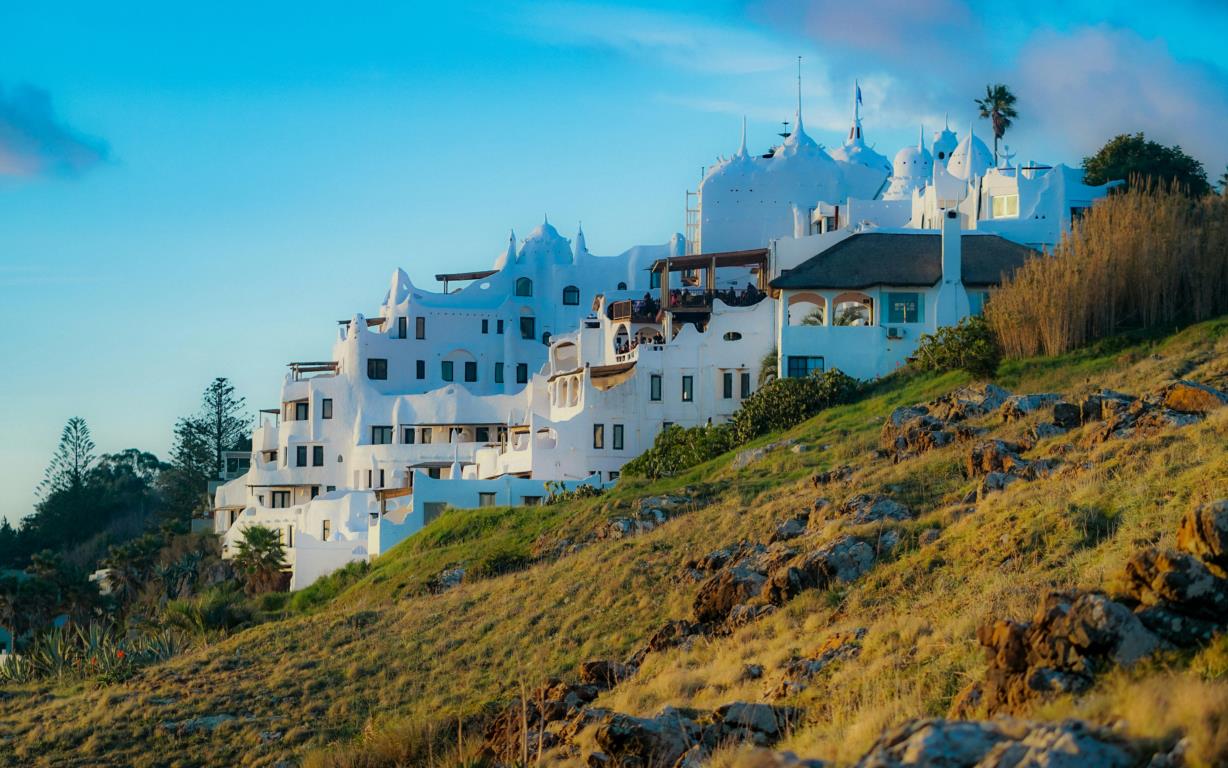
- Club Hotel Casapueblo Punta del Este (4 stars): it's inside the famous architectural work of Carlos Páez Vilaró, on the cliffs of Punta Ballena. Its rooms and apartments cascade down in terraces toward the sea, guaranteeing clear sunset views. It has an outdoor pool, spa and restaurant. It's the ideal place to stay for couples or travelers interested in cultural tourism who are looking for a stay in a historic setting, away from the bustle of the peninsula's center.
- Tio Tom Suites & Spa (5 stars): the ideal option if you're looking for an all-inclusive hotel in Punta del Este. It's a beachfront complex on Playa Chihuahua, minutes from downtown. It's ideal if you want everything taken care of without leaving the hotel: gourmet meals, spa, pools, gym and a spectacular natural setting among dunes and forest. The rooms are suite-style, with plenty of space and sea views, and the service is extremely personalized.
What to Do in Punta del Este
Planning your trip to Punta del Este ahead of time is a smart move if you're looking to combine days of relaxation, cultural activities and trips out of the city. It's not just about picking a pretty beach, but about connecting with a destination that keeps growing year after year. Its peninsula-shaped geography marks the official boundary between the Río de la Plata and the Atlantic Ocean, which creates a variety of coastal conditions within just a few kilometers.
Beyond its beach resort infrastructure, Punta also has well-established art, nature reserves, and architectural heritage to offer. Let's look at the key activities and points of interest for putting together an itinerary in the city, covering everything from its coastline to its sea excursions and cultural centers.
Visit Casapueblo in Punta Ballena
15 kilometers from downtown Punta del Este is Casapueblo, a building shaped by Uruguayan artist Carlos Páez Vilaró. Its design, Mediterranean in style and without straight lines, functions as a museum, art gallery and hotel.
The afternoon visit is a tourist tradition thanks to the "Ceremony of the Sun," a daily event where a recording of the artist reciting a poem plays as the sun sets over the water. The sunset views are also unmatched. Admission includes access to the museum and the gallery.
Cross the Undulating Bridge to La Barra
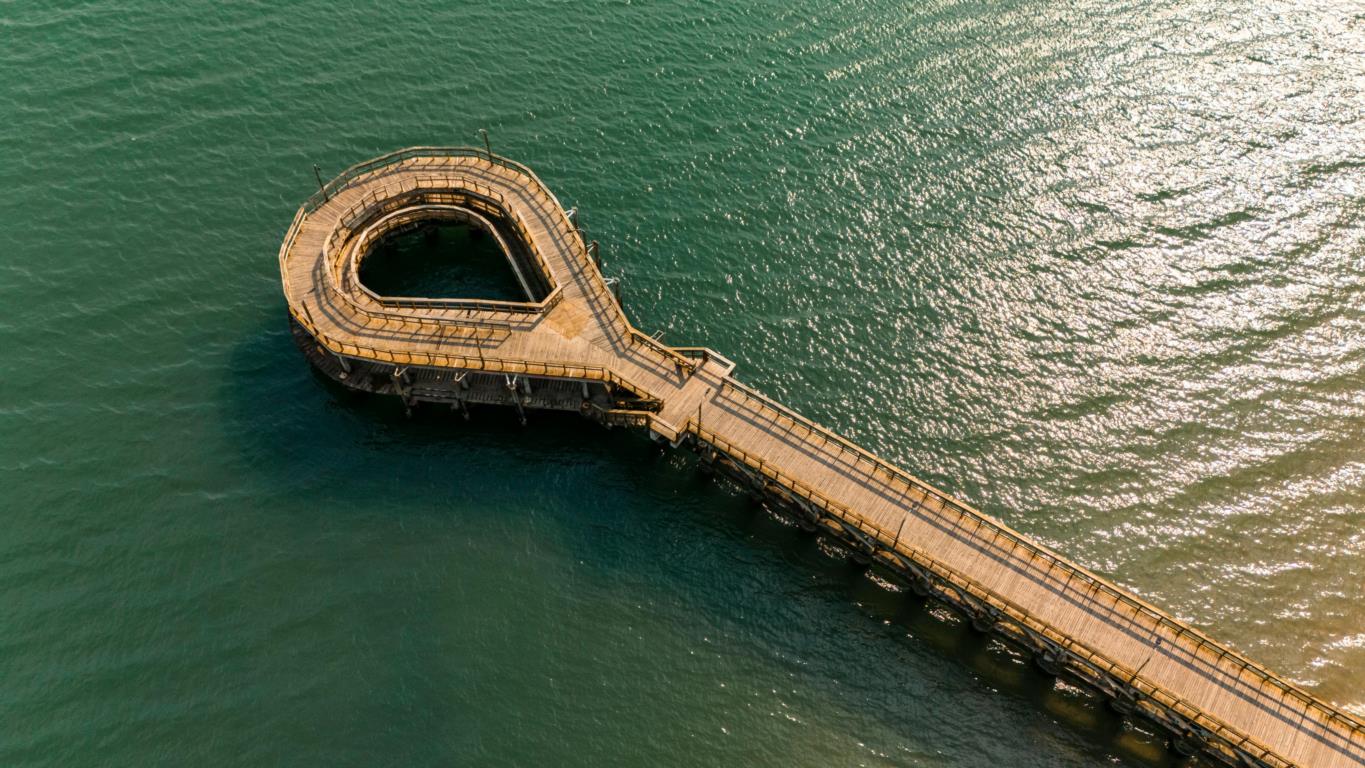
To the east of the peninsula, the Maldonado stream is crossed by the Puente Leonel Viera, opened in 1965. Its wave-like design is a remarkable feat of engineering that connects Punta del Este with La Barra. The latter is an old fishing village that today works as a food and dining hub. It's full of art galleries and nightlife, and it's also the gateway to ocean beaches like Montoya and Bikini.
Tours and Excursions in Punta del Este
A practical and enjoyable way to discover the secrets of Punta del Este is to book an organized excursion. Our services offer activities with no surprises and no middlemen, letting you choose the date and the type of experience that suits you best, always at the best price and with a local guide.
The Exclusive City Tour of Punta del Este is a great way to get started. With professional guides and transfers included, the route covers everything from the port and downtown to Casapueblo, the residential neighborhoods and La Barra. It's an experience designed for those who want to understand the history of the place, its customs, its contrasts, and its evolution.
If you'd prefer a shorter itinerary, a more compact version is also available, ideal for those who want to have half a day free for the beach or shopping. And if your plan is to go to Punta del Este from Montevideo, our tour is also available with transfer from the Uruguayan capital.
A different kind of excursion is the one that takes you from Punta del Este to Cabo Polonio for the day. This is a protected town, with no conventional streets or cars. Getting there means crossing sand dunes in 4x4 trucks, forests and giant dunes until you reach a magical town with a lighthouse, sea lions and deserted beaches. It's ideal for total disconnection, a pause in time amid wild, unforgettable postcard views. This excursion also includes a guide and transfer.
Which Are the Best Beaches in Punta del Este
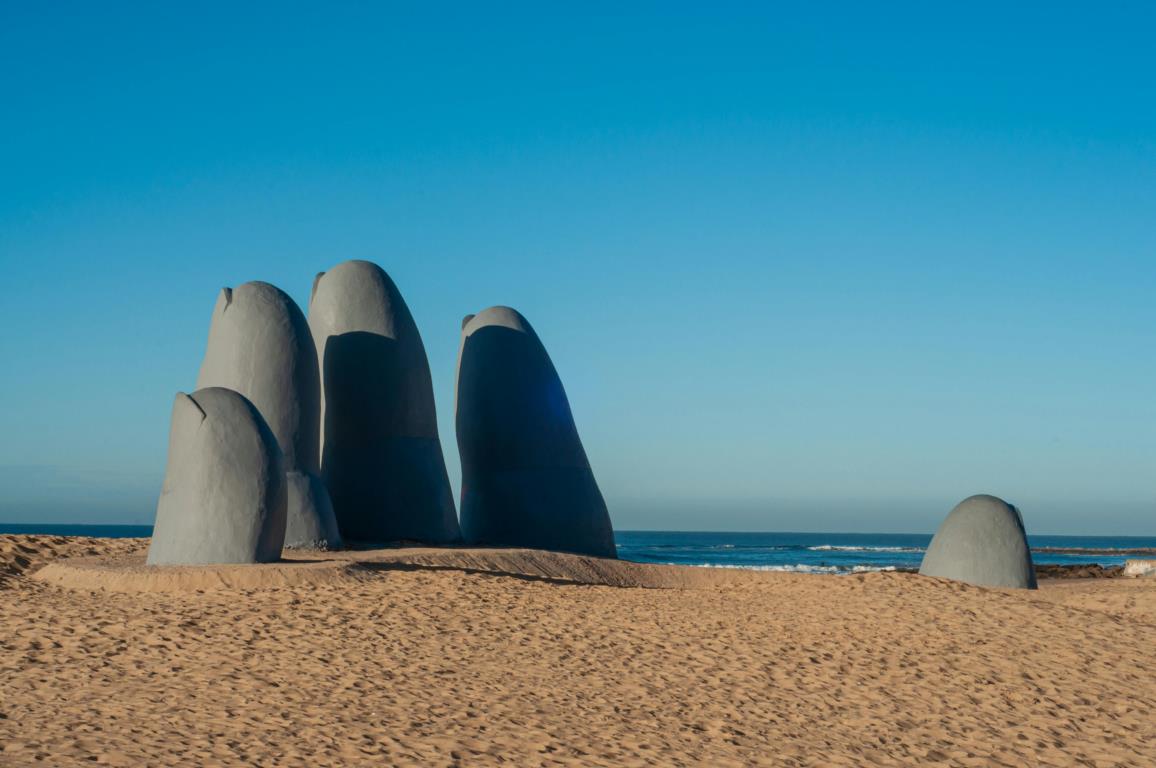
The peninsula divides the waters into two zones with opposite characteristics. That's why Punta del Este is known for having two very distinct coastlines: Playa Mansa, ideal for relaxing, swimming or watching the sunset; and Playa Brava, with its emblematic "La Mano" sculpture emerging from the sand, perfect for those who love rougher seas, walks, and the "golden hour" in the afternoon.
Playa Mansa is the most popular choice for families and for non-motorized water sports. Playa Brava, on the eastern side, has waves that draw surfers. At Parada 1 of La Brava is the "La Mano" (or "Los Dedos") sculpture, a work by Chilean artist Mario Irarrázabal, unveiled in 1982.
Boats depart from the peninsula's port toward two islands with spectacular beaches. Isla Gorriti, a 15-minute boat ride away, offers coastlines sheltered from the wind and trails that wind through the ruins of 18th-century fortifications. Meanwhile, Isla de Lobos, 8 kilometers off the coast, is home to the largest sea lion colony in South America, with an estimated population of more than 300,000.
Where to Go Shopping?
On the main downtown street, Gorlero, you'll find clothing stores, craft shops, galleries, ice cream parlors, bookstores and souvenir shops. At Plaza Artigas, across from the bus terminal, there's a craft fair with unique leather, ceramic and textile pieces.
For those looking for luxury brands or exclusive design, a must-stop is Punta Shopping, the city's main shopping mall. There you can stop for lunch at the food court, catch a movie, and find other options for cloudy days.
Where to Eat in Punta del Este
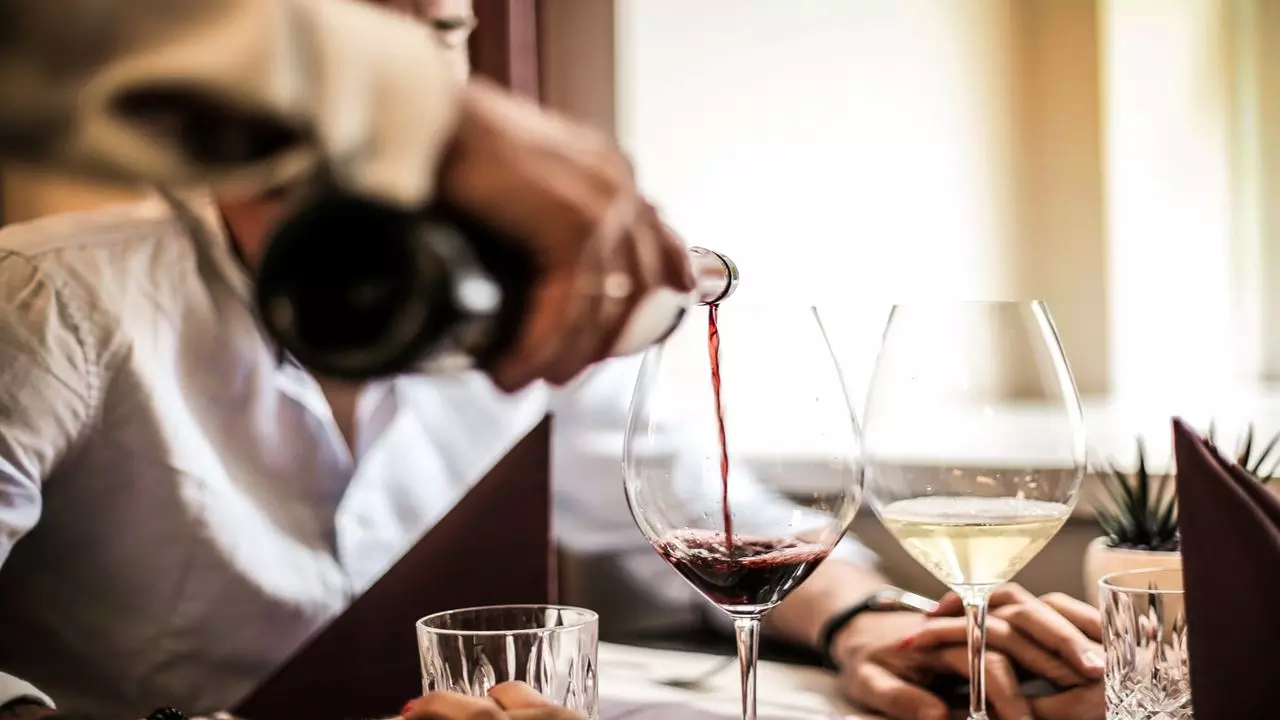
Our top food recommendation is visiting Bodega Garzón. Just an hour from Punta del Este, the winery combines high-end wine tourism with a landscape of hills and olive groves. The tour includes a guided visit through the facilities, a tasting of award-winning wines and a lunch with local products. All of this comes with transfers from your accommodation, so you don't have to worry about logistics or who's driving back.
If you'd prefer a different type of cuisine, or want to try several places to eat in Punta del Este, here are some options that never disappoint:
Lo de Tere
A true classic of the peninsula's food scene. Lo de Tere is a must-visit for experiencing the most authentic flavors of the South Atlantic. It's located across from the port of Punta del Este, and from its tables you can watch the yachts come and go, along with the work of the artisanal fishermen who supply its kitchen.
The restaurant's culinary approach places a strong emphasis on local production. It prioritizes the catch of the day and seafood sourced from the Uruguayan coast. The menu is constantly updated to respect seasonality, highlighting dishes that combine fine-dining techniques with the flavor of local products, such as hake, sole or mussels. It also features grass-fed Uruguayan beef, known for its quality and sustainability.
La Bourgogne
Tucked away among the gardens of the residential neighborhood of Pedragosa Sierra, La Bourgogne is one of the high points of Punta del Este's culinary scene. It's a high-end restaurant, backed by the Relais & Châteaux association and led by chef Jean-Paul Bondoux. Its offering focuses on traditional French cuisine, but with deep roots in Uruguayan territory.
Much of the herbs, vegetables and produce that make up its dishes come from its own organic garden, grown on the property itself. This "from garden to table" philosophy is complemented by the use of premium local meats and Atlantic products.
The restaurant works as a refuge from the buzz of the beaches, an immersion in a wooded, private setting. Its bakery and adjoining boutique also supply the city with sourdough breads and artisanal cheeses.
El Virazón
El Virazón is the beating heart of Punta del Este's beach life. It sits on one of the most iconic and busy corners of the Rambla del Puerto and stays open all year round, making it a classic meeting point for locals and tourists returning from the beach or strolling the peninsula.
It's ideal for dining with views of Maldonado Bay and feeling the sea breeze between bites of typical coastal food. The menu shines with locally sourced preparations, featuring local fish like hake, calamari and mussels from nearby farms. It's also famous for serving one of the city's best chivitos, an iconic dish that showcases the excellence of Uruguayan meats and locally produced dairy.
Marismo
Away from the peninsula's urban center and nestled in the calm of José Ignacio, Marismo offers one of the most unique dining experiences on the Uruguayan coast. The tables are outdoors, right on the sand and under the starry sky, lit by wood fires that provide warmth and an unmatched rustic atmosphere.
This restaurant follows the "slow food" concept and cooks seasonally. The menu is small and constantly changes to reflect the availability of local production, working closely with fishermen from José Ignacio and organic farmers from the surrounding area. The wood-fired oven and the wood grill are the absolute stars of its kitchen, where they prepare fresh catches of the day, like black drum, served with roasted vegetables.
I'marangatú
Located right on the sand at Parada 7 of Playa Mansa, I'marangatú is a beachfront spot with the feel of a "beach club" and restaurant. It's the perfect setting for the transition from a sunny afternoon by the calm sea to an elegant dinner at sunset. The open architecture of the space blends the seaside landscape into the dining room, turning sunset into a true social and culinary event.
The menu has Mediterranean influences, but is enriched with South American ingredients and local production. There's everything from handmade pastas to fresh grilled fish and seasonal salads, all made with produce from local organic gardens and sustainable fishing. Its cocktail menu also uses fresh fruit from the region, supporting the local producers' economy.