
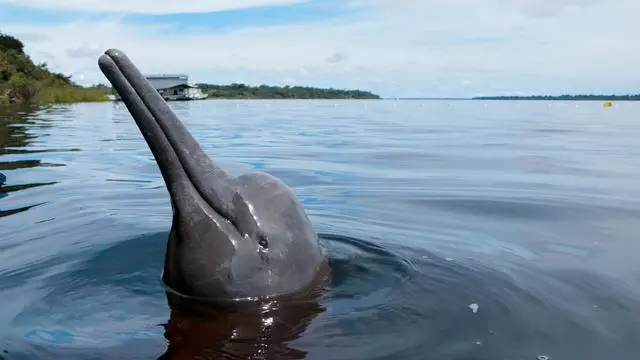
Wildlife watching in Manaus brings you deep into the Amazon to look for monkeys, colorful birds, caimans and pink river dolphins in their natural habitats. Explore flooded forests by canoe, walk jungle trails and enjoy guided outings where the region’s incredible biodiversity is the main attraction.
Filters
7 results
Frequently asked questions
Wildlife observation excursions in Manaus commonly combine travel by boat through rivers or narrow channels with rainforest walks and searches for birds, monkeys, sloths, reptiles, and insects in their natural habitat. The exact program varies according to the itinerary, duration, river conditions, and weather. Some tours may also include environmental interpretation, a community visit, or wildlife watching at sunrise or sunset. Sightings of a particular species cannot be guaranteed, since these are wild animals moving freely in the forest. Before booking an excursion in Manaus, check whether transfers, meals, entrance fees, a guide, and equipment are included. The description should also explain the activities, meeting point, and any restrictions related to safety or conservation.
Wildlife observation excursions in Manaus are suitable for travelers interested in nature, photography, birds, and Amazonian biodiversity. Previous experience is not always necessary, but some itineraries involve uneven paths, boat rides, heat, humidity, and early departures. Check the stated activity level and inform the provider about physical limitations, allergies, or mobility needs before booking. Families should confirm age requirements and whether the route is comfortable for children. Some excursions are more relaxed, although accessibility and available services vary by program. Travelers seeking guaranteed animal encounters or zoo-like facilities should understand that these tours focus on responsible observation of free wildlife in its natural Manaus surroundings. A clear itinerary helps you choose an experience that matches your expectations and fitness level.
The duration of wildlife observation excursions in Manaus depends on the type of experience you choose. There are shorter outings, full-day programs, and multiday itineraries that allow more time in the rainforest or combine different environments. The advertised duration may or may not include transfers from your accommodation, so read the complete itinerary carefully. Check departure and return times as well, especially if you have a flight connection or another activity scheduled. The actual time spent boating, walking, and observing wildlife can change because of weather, river levels, and logistics. Choose a Manaus excursion that fits your available time, preferred pace, and physical comfort. If the schedule is unclear, request confirmation before booking.
There is no single best season for every wildlife observation excursion in Manaus. The annual rainfall cycle and changing river levels affect landscapes, access, and available activities. During one period, some areas may be easier to explore on foot, while during another, boat travel can provide access to flooded environments. Animal presence also changes with weather, time of day, and natural behavior, but no season guarantees sightings. Before choosing an excursion, ask how seasonal conditions affect that specific itinerary and which activities remain available. Consider your comfort with heat, humidity, and rain as well. The best time to visit Manaus is the period that matches your interests with an operating and safe program, rather than a promise of seeing a particular species.
For a wildlife observation excursion in Manaus, bring lightweight quick-drying clothing, comfortable closed shoes, sun protection, insect repellent, a hat, drinking water, and a waterproof bag for documents and electronics. Binoculars and a camera can enhance the experience, provided they are used without approaching or disturbing animals. To choose between excursions, compare the itinerary, duration, activity level, group size, transfers, and inclusions. Also review rain policies, safety guidance, and conservation practices. Give preference to programs that keep a respectful distance from wildlife, never feed animals, and clearly explain service conditions in Manaus. Ask whether you need to bring any additional equipment and follow the guide’s instructions throughout the activity.