
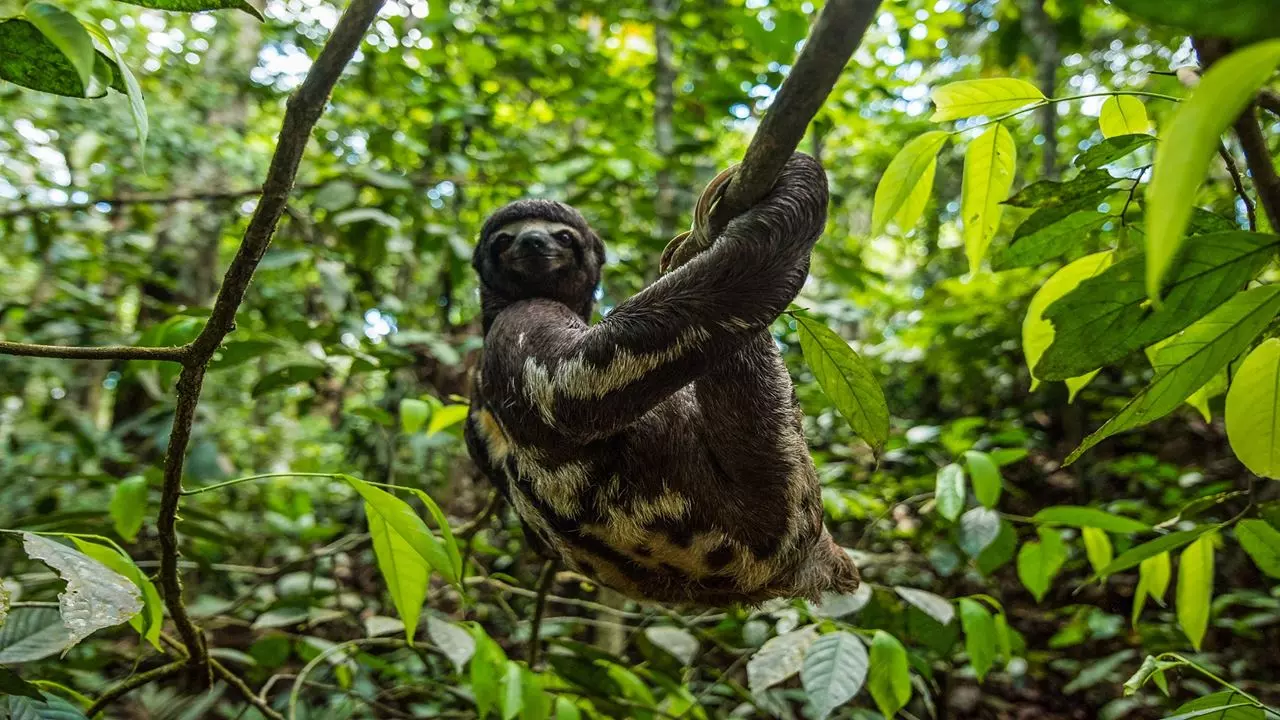
Wildlife watching in Iquitos takes you deep into the Peruvian Amazon to search for playful monkeys, slow-moving sloths, colorful birds and river wildlife. Explore jungle trails and waterways by boat, guided by local experts who know where to find the forest’s most fascinating species and how to observe them responsibly.
Filters
7 results




Frequently asked questions
Wildlife observation excursions in Iquitos generally combine visits to Amazonian environments such as rivers, lagoons, forest areas and, depending on the itinerary, nearby communities. The main activity is looking for animals in the wild with the support of local guides, who can explain species, sounds, habitats and responsible viewing practices. Some excursions may also include boat rides, walks, birdwatching, plant identification or cultural experiences. Sightings are never guaranteed, since they depend on weather, time of day and animal behavior. Before booking, check the exact inclusions: departure point, transfers, meals, guide service, entrance fees, boat transport and any optional activities. This comparison helps you choose a wildlife observation excursion in Iquitos that matches your expectations and travel style.
Wildlife observation excursions in Iquitos can suit solo travelers, couples, families and anyone interested in nature, photography or Amazonian ecosystems. Difficulty varies considerably. Some options focus mainly on navigation and involve little walking, while others include forest trails, early departures and movement in hot, humid conditions. Travelers with reduced mobility, injuries, pregnancy or very young children should ask in advance about trail length, boat access, boarding arrangements and available assistance. It is also important to mention allergies, dietary restrictions or medical needs when relevant. No specialist knowledge is required, but patience is essential: observing wild animals means staying quiet, moving carefully and accepting that weather or wildlife behavior may alter the planned schedule.
The duration of wildlife observation excursions in Iquitos depends on the type of experience. There are short outings for travelers with limited time, as well as full-day or multi-day programs that explore different habitats and allow searches at more than one time of day. The advertised duration may describe only the main activity or may include transfers to and from the meeting point, so read the full itinerary carefully. Confirm the departure and return times, the time spent on boats or trails, planned breaks and any waiting periods. If you are traveling with children or have a later connection, leave enough flexibility. Ask how schedule changes caused by weather, river conditions or navigation are handled.
There is no single best season for wildlife observation excursions in Iquitos. Seasonal changes in the Amazon can affect water levels, access to certain habitats, navigation and the possibility of walking on forest trails. During some periods, flooded areas may be easier to explore by boat; at other times, more solid ground may be accessible. Animal activity is not determined by season alone: rain, temperature, time of day and individual species behavior also matter. Before choosing a tour, ask which environments are visited during your travel dates and what activities are available in rainy conditions. Appropriate clothing and realistic expectations are more useful than looking for a season that guarantees sightings, because no responsible excursion can promise specific animals.
To choose a wildlife observation excursion in Iquitos, compare the habitat visited, group size, transport, duration, guide language and safety and animal-welfare practices. Favor programs that do not feed, touch or chase wildlife and that respect natural areas and local communities. Also review the cancellation policy, meeting point and accessibility information, especially if you have specific needs. In general, pack lightweight clothing in discreet colors, closed shoes with good grip, rain protection, a hat, insect repellent, sunscreen, drinking water and a waterproof bag for documents or camera equipment. Follow the guide’s instructions, keep a respectful distance from animals and avoid loud noises. A responsible excursion should prioritize observation without disturbing the ecosystem.