
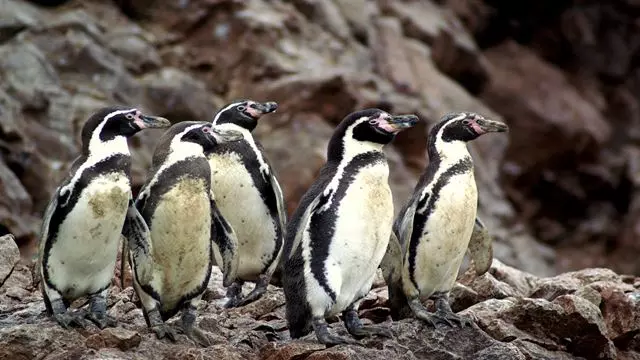
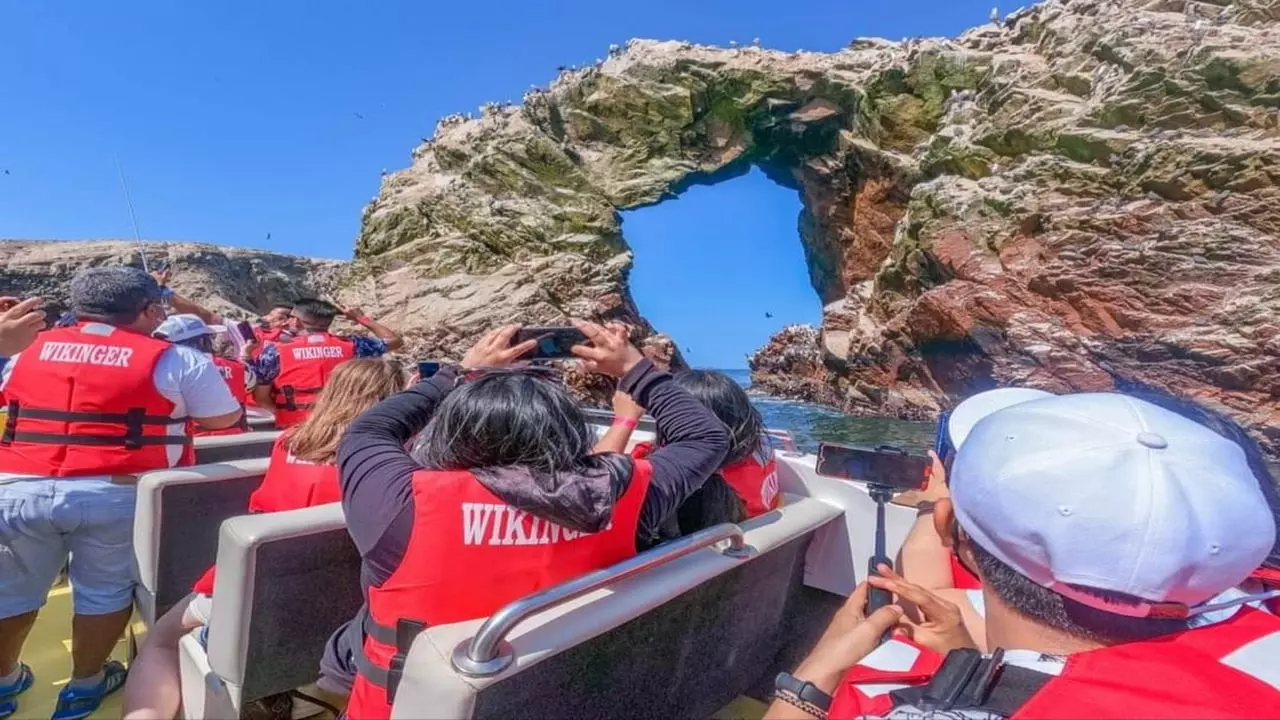
Birdwatching in Paracas combines visits to the Paracas National Reserve with boat trips around the Ballestas Islands, where you can spot flamingos, Humboldt penguins, pelicans and guanays. Its unique desert-coast landscape and rich marine ecosystem make every outing a memorable chance to observe resident and migratory birds in the wild.
Filters
3 results

Frequently asked questions
Birdwatching excursions in Paracas may take place along the coast, in wetlands, on beaches, or in other environments within or around the Paracas National Reserve. Depending on the itinerary, the experience may include transportation, a guide, observation stops, and time for photography. Some tours combine birdwatching with scenic viewpoints or other local attractions, but inclusions vary between services. Before booking, check whether transfers from your accommodation, entrance fees, equipment, meals, or binoculars are included. It is also useful to confirm the route and the amount of time dedicated specifically to bird observation. Wildlife sightings cannot be guaranteed, since species and activity levels change with the season, weather, tide, and location.
Birdwatching excursions in Paracas can suit complete beginners as well as experienced birders. You do not need to know the species in advance: when included, a guide can help identify birds and explain their behavior. The activity may appeal to families, couples, photographers, and travelers interested in nature, although you should check the minimum age, accessibility, and walking requirements of each itinerary. Birdwatching calls for patience and quiet attention, because birds may be distant or inactive for some time. If you are traveling with children, older adults, or someone with limited mobility, ask in advance about walking distances, terrain, transport, and rest stops. Choose a private or small-group option if you want a more flexible pace.
The length of birdwatching excursions in Paracas depends on the route, transportation, and number of observation stops. Some departures are short, while others last several hours or occupy a larger part of the day. The service description should state the approximate duration and schedule, although weather and operating conditions can cause changes. Birds can be observed in Paracas throughout the year, but migratory species and bird activity may vary by season. Early departures are often a practical choice because temperatures can be more comfortable and wildlife may be active. Before booking, check the forecast, the policy for weather-related changes, and whether the schedule fits your other plans in Paracas. Remember that longer tours do not guarantee more sightings.
When choosing among birdwatching excursions in Paracas, compare the habitat visited, duration, group size, guide language, meeting point, and walking level. If identifying species matters to you, look for a service that explains who leads the outing and whether observation support is provided; never assume binoculars or photographic equipment are included. Pack comfortable, lightweight clothing, a windproof layer, a hat, sunscreen, water, and closed shoes with good grip. Binoculars and a camera can enhance the experience but are not essential. A small notebook or bird guide can also be useful if you enjoy recording sightings. Bring a bag for your waste, avoid strong fragrances, and keep your phone on silent to reduce disturbance around wildlife.
To enjoy a birdwatching excursion in Paracas, follow the guide’s instructions and the rules of the protected area. Keep a respectful distance, never chase or feed birds, and do not play calls or recordings to attract them. Stay on authorized paths and observation areas, especially near nesting sites, and leave feathers, plants, shells, and other natural elements where you find them. Sudden movements, bright flashes, and loud conversations can disturb wildlife, so use your camera zoom and speak quietly. Arrive on time, mention any mobility or health considerations, and carry water. Coastal conditions can change, so confirm the departure time and weather arrangements before setting out. Responsible behavior helps protect the habitats that make birdwatching possible.