
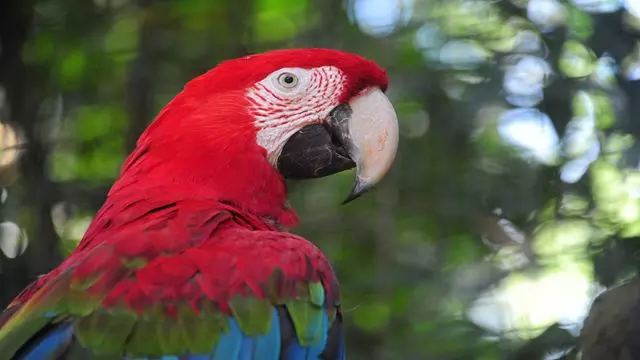
Bird watching in Foz do Iguaçu brings you into the Atlantic Forest to look for toucans, parrots, hummingbirds, and other colorful native species. Guided outings combine quiet observation with expert insights into the birds and ecosystems surrounding Iguaçu Falls, making each sighting especially memorable.
Filters
2 results

Frequently asked questions
Birdwatching excursions in Foz do Iguaçu generally focus on exploring natural environments and observing wild birds at a slower pace than on a conventional sightseeing visit. Depending on the activity, the experience may include a guide, walks along trails, observation stops, and information about species, habitats, and behavior. Not every tour includes transportation, entrance fees, meals, binoculars, or other equipment, so check the booking details carefully before choosing. It is also useful to confirm whether the outing takes place inside a protected area, near Foz do Iguaçu, or elsewhere in the region. Bird sightings depend on natural conditions, and no excursion can guarantee a specific number of species or encounters.
Birdwatching in Foz do Iguaçu can suit beginners, experienced birders, families interested in nature, and photographers who enjoy a patient pace. Previous knowledge is not required, although participants should be comfortable waiting quietly and accepting that wild animals move freely. The duration varies according to the route, departure time, walking level, and whether transportation is included, so it must be confirmed for each excursion. Before booking, check the distance, terrain, expected pace, and conditions for children or travelers with reduced mobility. If you want a more active experience, compare the time actually spent on trails with the time allocated to transportation, transfers, or check-in. Comfortable footwear and realistic expectations make the outing more enjoyable.
There is no single best season for birdwatching in Foz do Iguaçu, since each period of the year may bring different conditions and animal behavior. In general, many birds are more active during the first hours of the morning, when temperatures and noise levels are often lower, although the exact schedule depends on the excursion and the environment visited. Rain, temperature, visibility, and trail conditions can affect the experience at any time of year. When choosing a tour, check the departure time, the policy for weather-related changes, and whether the itinerary is suitable for the season. A flexible date can be useful, and current guidance from the provider should be consulted. No season guarantees particular sightings.
To choose among birdwatching excursions in Foz do Iguaçu, compare the environment visited, duration, walking level, group size, guide language, and included services. Confirm whether binoculars are provided and whether transportation, entrance fees, or meals are included. It is also important to check age limits and accessibility information. For the outing, bring light, discreet clothing, closed shoes with good grip, sun protection, insect repellent, drinking water, and a waterproof layer when rain is possible. Your own binoculars and camera can enhance the experience, but they are not essential if equipment is supplied. Avoid strong fragrances and very bright colors, follow the guide’s instructions, and choose practical gear that allows quiet movement along the trails.
During a birdwatching excursion in Foz do Iguaçu, keep a respectful distance, remain on authorized trails, and never touch, feed, or call animals to obtain a photograph. Follow the guide, speak quietly, and do not play bird calls unless this is expressly allowed, since recordings can disturb natural behavior. Do not remove plants, feathers, or other elements from the environment, and take your waste with you. It is also advisable to review the rules of the area you will visit and inform the provider about allergies, physical limitations, or special requirements. The most rewarding experience combines responsible observation, personal safety, and respect for wildlife, even when the species you hoped to see do not appear.