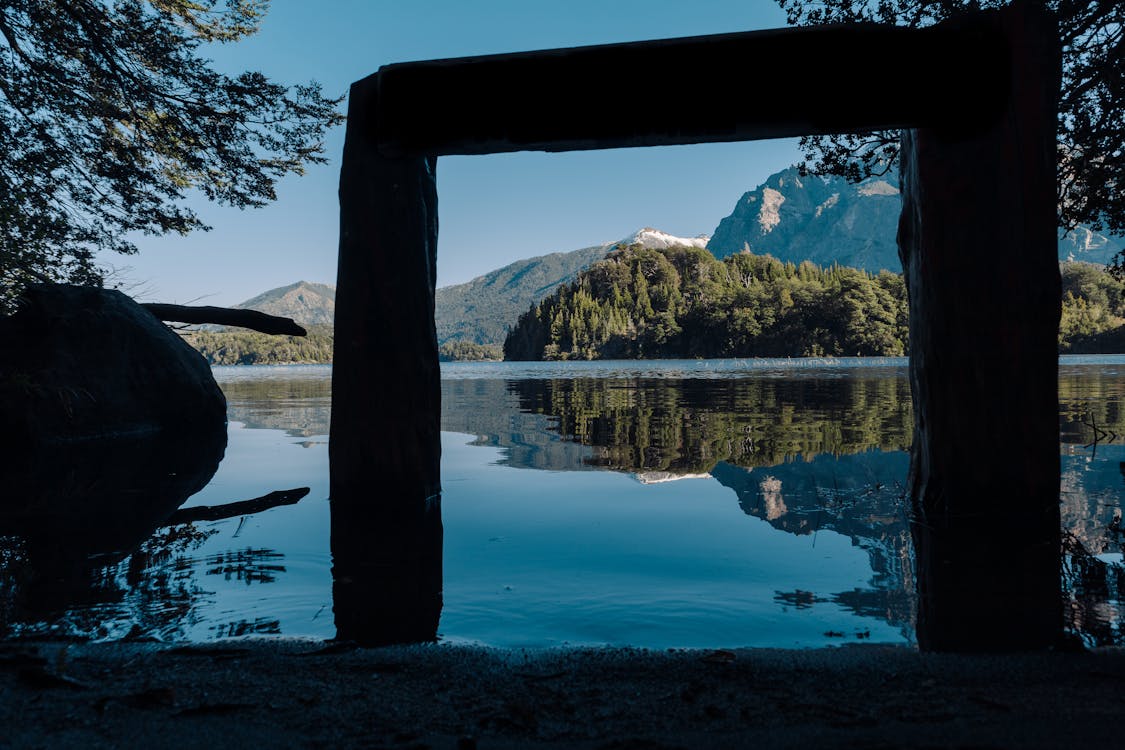
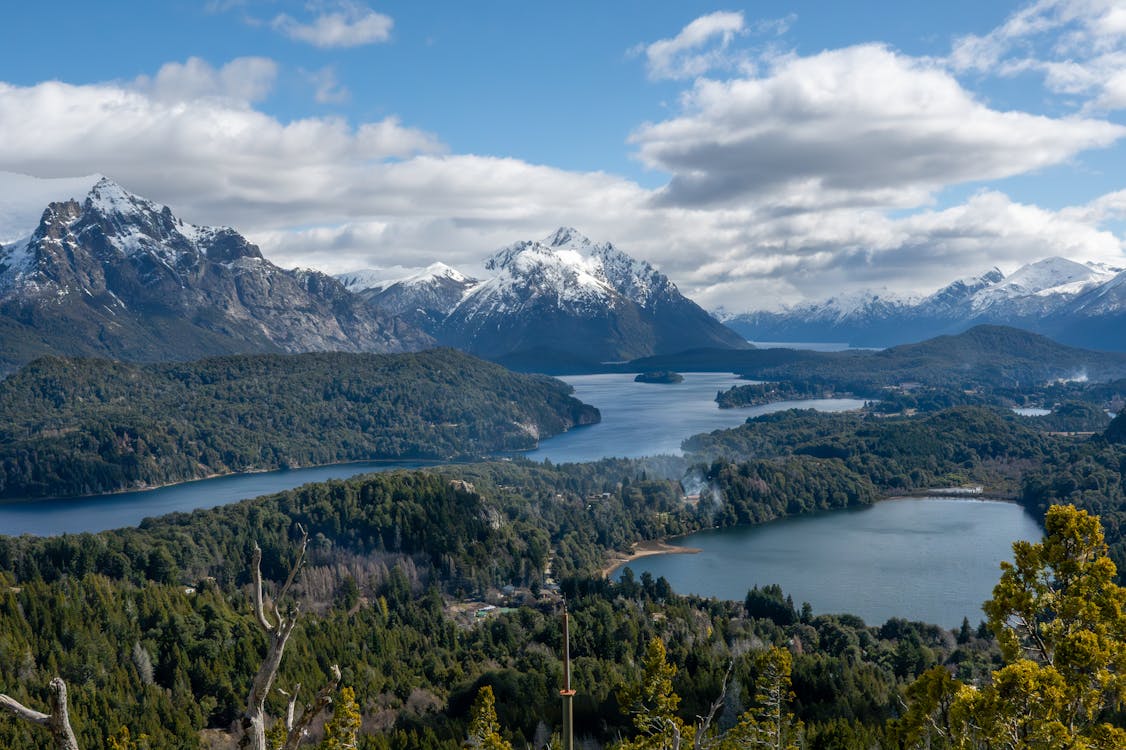
San Carlos de Bariloche, or simply Bariloche, is a city located in Argentine Patagonia, considered one of the most beautiful in the country and visited year-round by hundreds of tourists who come to marvel at its landscapes.
As we know, planning a trip depends on our own tastes and comfort, and if you're planning a trip to Bariloche, deciding when to go depends on the activities you want to do and one important factor: its climate.
San Carlos de Bariloche has a sub-oceanic climate with marked seasonal variation: average temperatures range from 2.6°C (36.7°F) in July to 15–19°C (59–66°F) in January, a difference of more than 12°C between the coldest and warmest months. Rainfall — around 500 mm a year — is concentrated in autumn and winter, with snowfall from May to October that averages 120 cm per season. This variability defines two distinct tourist seasons: summer (December–February), ideal for hiking, kayaking and lakeside beaches; and winter (June–August), which draws skiers to Cerro Catedral, one of the largest ski resorts in South America.
Bariloche at a glance
- City elevation: approximately 850 meters (2,790 ft) above sea level
- Location: on the shore of Lake Nahuel Huapi, at the foot of the Andes
- Nearby peaks: Cerro Catedral (2,100 m) and Cerro Tronador (over 3,000 m)
- Warmest month: January, averaging 15°C (highs can top 30°C)
- Coldest month: July, averaging 2.6°C
- Cerro Catedral ski season: roughly late June/early July through late September, with dates that vary each year depending on snowfall
- Wind: strongest between October and February, with gusts from the west
Note: ski season opening and closing dates aren't fixed and depend on that year's snow conditions. We recommend confirming them on the official Catedral Alta Patagonia website before your trip.
Below, we cover everything about its climate throughout the year so you can plan ahead and figure out your ideal season to explore Bariloche and its surroundings with our recommended excursions and activities.
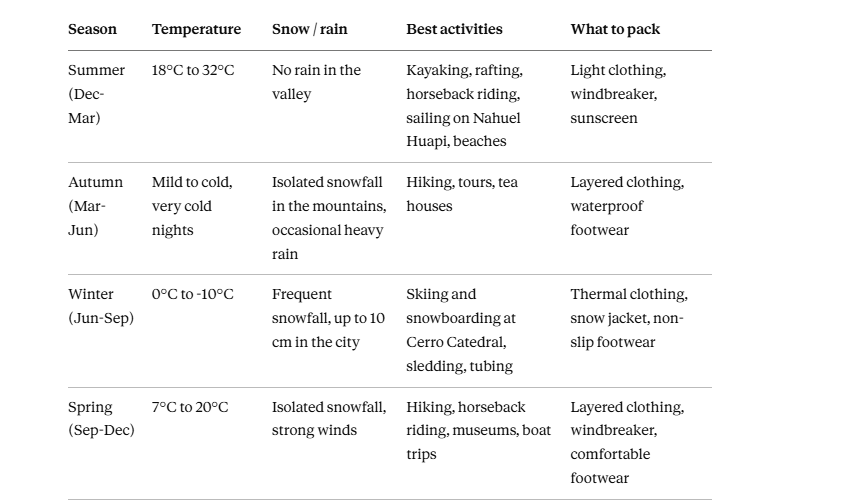
Bariloche month by month: a season-by-season summary
Bariloche in summer
Summer in Argentina runs from December 21 to March 21. During these months, days in Bariloche are warm and quite sunny, reaching up to 32°C, though nights are cooler and usually drop to 18°C.
It isn't the rainy season, though the wind is worth keeping in mind: it blows frequently in the area and picks up between October and February, meaning for much of the summer. It can affect activities like kayaking, sailing on Nahuel Huapi or horseback riding, so it's worth packing a light windbreaker even on the warmest days.
Days are also longer: it starts getting light from 6 am and doesn't get dark until 10 pm.
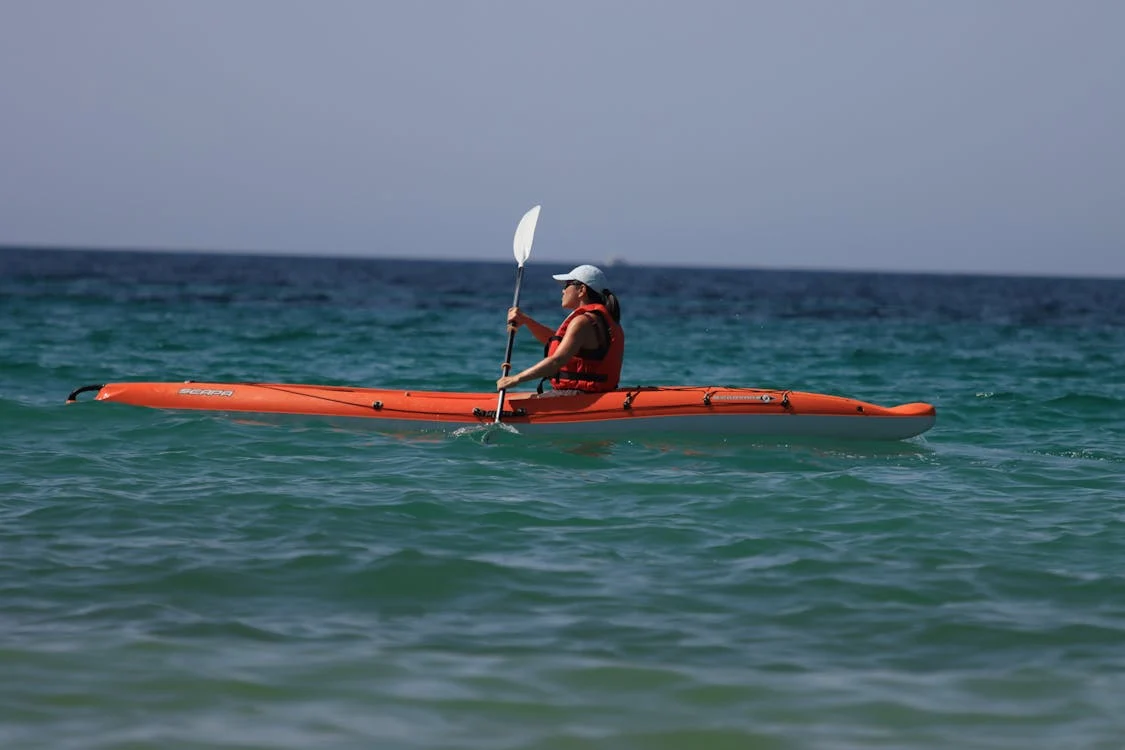
It's also a great time for hiking tours or boat trips on Nahuel Huapi, where excursions take you to Isla Victoria, the Arrayanes Forest and Puerto Blest. And, of course, you can do a craft brewery tour or visit Bariloche's beaches if you like to sunbathe and relax.
The most popular beaches are Playa Centenario and Playa Bonita.
Bariloche in autumn
While this city has incredible views to take in 365 days a year, autumn is when Bariloche's landscapes turn shades of yellow and orange, making it a particularly special time to visit. It's a postcard-worthy sight you shouldn't miss.
This season begins on March 21, when days tend to turn milder and cooler with very cold nights, and ends on June 20. It's also a time when isolated snowfall starts to appear (mainly in the mountains), along with some heavy rain.
Hiking, tours, boat trips and zip-lining are some of the activities worth taking advantage of. And above all, we recommend visiting Bariloche's various tea houses.
There's nothing like a hot tea or hot chocolate after an excursion!
Bariloche in winter
Are you a snow and skiing lover? This is your season.
Winter on the calendar in Argentina runs from June 21 to September 20, with temperatures ranging between 0°C and -10°C and shorter days: the sun rises around 9 am and sets around 6 pm. However, the ski season at Cerro Catedral doesn't strictly follow these dates: its opening depends entirely on snow conditions, and it usually runs from late June/early July through late September, extending into early October in years with good snowfall.
In recent years, a lack of snowfall in the first weeks of winter has delayed the resort's opening, so if your trip is planned specifically around skiing, it's worth confirming the official date on the Catedral Alta Patagonia website before booking.
If snowfall is heavy, the city can end up covered in up to 10 cm of snow, and you need to be careful, since streets and sidewalks tend to freeze over, as do some small lakes in the high mountains.
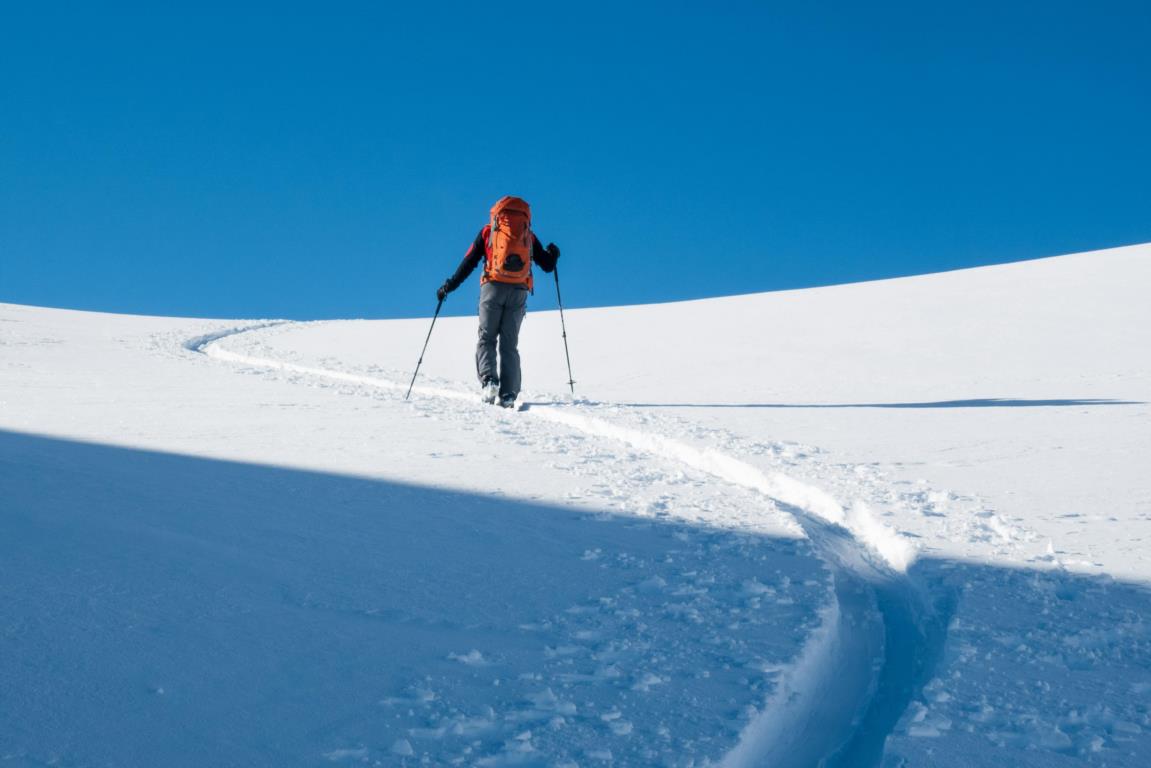
As we said, where there's snow, there's skiing!
Here's a list of some of the best places to visit and things to do:
- Cerro Catedral: Considered the best ski resort in Latin America, with 120 kilometers of trails and instructors from different countries with top-level training to help you learn.
- Cerro Otto: Has several short hiking trails, and you can reach the summit by car or, from its base, by cable car. In the higher areas you can also ski, and it's known for its famous revolving café at the top.
- Piedras Blancas: An area on Cerro Otto where you can see snow-covered pines from the chairlifts, ski, go sledding, or have fun tubing like a kid again.
- Cerro López: Located within the Circuito Chico, it has a trail where a 3-hour hike leads to the well-known López refuge, where you can camp. There's also the option of visiting the Roca Negra and Extremo Encantado refuges.
Bariloche in spring
It runs from September 21 to December 20, and during this season days grow longer and temperatures gradually rise, ranging between 7°C and 20°C. Even so, nothing stops you from waking up one day to find it snowing in the city.
It's also the season of strong winds coming from the west, so it's always a good idea to pack a bit of everything in your suitcase, warm layers included. We think spring in Bariloche is fantastic for all kinds of activities, like hikes, horseback riding, city tours, museums and various boat trips. And wherever you go, don't forget your camera! During this season, nature's colors intensify and flowers bloom everywhere.
Frequently asked questions about the weather in Bariloche
What's the best time of year to travel to Bariloche?
It depends on what you want to do: summer (December to March) is ideal for hiking, kayaking and sailing, while winter (June to September) is ski season at Cerro Catedral. Spring and autumn offer very photogenic landscapes and fewer tourists.
When does ski season open at Cerro Catedral?
There's no fixed date: it depends on that year's snow conditions. It usually opens between late June and early July, and runs through late September. It's worth confirming the exact date on the official Catedral Alta Patagonia website before you travel.
Is it very cold in Bariloche in winter?
Yes, temperatures usually range between 0°C and -10°C, with frequent snowfall. Snow doesn't tend to pile up too much in the city itself, but conditions are much more intense up in the mountains.
What clothes should I pack for Bariloche depending on the season?
In summer, light clothing and a windbreaker for windy days. In autumn and spring, layered clothing and comfortable footwear. In winter, thermal clothing, a snow jacket and non-slip footwear, especially if you're going skiing.