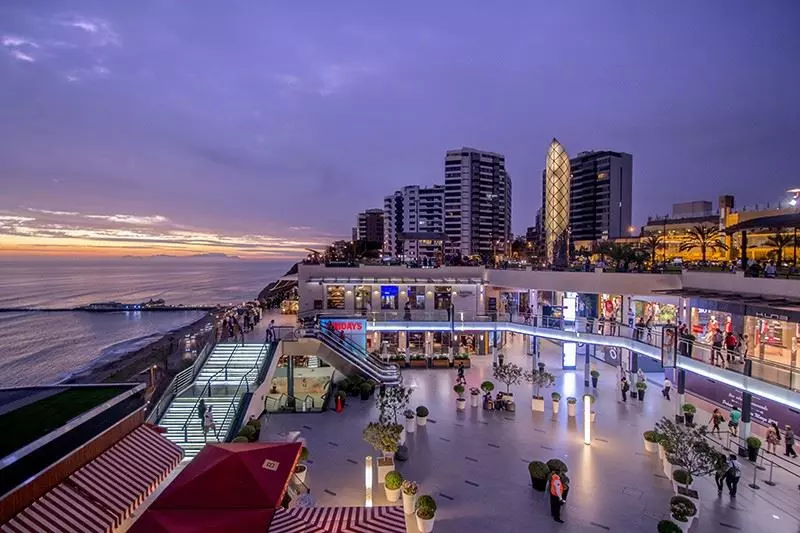
Lima is generally portrayed as a colonial city, but its history is much longer. Long before the Spanish laid out the Plaza Mayor, this coast already had ceremonial centers, pilgrimage sites, and fishing villages . Today, these layers coexist with modern neighborhoods, and they can still be explored.
In this guide we propose 8 experiences to understand the history of Lima , arranged chronologically: from the oldest pyramids in America to the viceregal center, the city's underground and the cuisine it inherited from all those eras.
The history of Lima in a few lines
- About 5,000 years ago: Caral flourishes, north of present-day Lima.
- Approx. 400–700 AD: The Lima culture builds the Huaca Pucllana, in what is now Miraflores.
- From 650 AD: Pachacamac consolidates itself as a pilgrimage sanctuary; the Incas arrive around 1470.
- 1535: The Spanish founded the City of Kings, present-day Lima.
- Today: museums, mansions and markets tell all that in a single tour.
How many days do you need? Two days will cover the essentials; with three or four, you can add Caral and the museums at a more relaxed pace. If you're still planning your trip, choose the best options from our excursions in Lima .

1. Caral: the oldest civilization in America
If you want to start at the beginning, the starting point is the Sacred City of Caral-Supe . UNESCO describes it as an archaeological site some 5,000 years old and considers it the oldest center of civilization in the Americas. It was inscribed as a World Heritage Site in 2009.
Caral rises on a desert plateau overlooking the Supe River valley. Its six large pyramidal structures and the discovery of a quipu, the system of knotted cords that, according to UNESCO, reveals the development of its society, are particularly noteworthy.
The full day tour to the Sacred City of Caral is a full-day excursion, so it's best to book it in advance.
Ideal for: those who want to understand the origins of Andean civilization and have a day off.

2. Huaca Pucllana: Lima before Lima
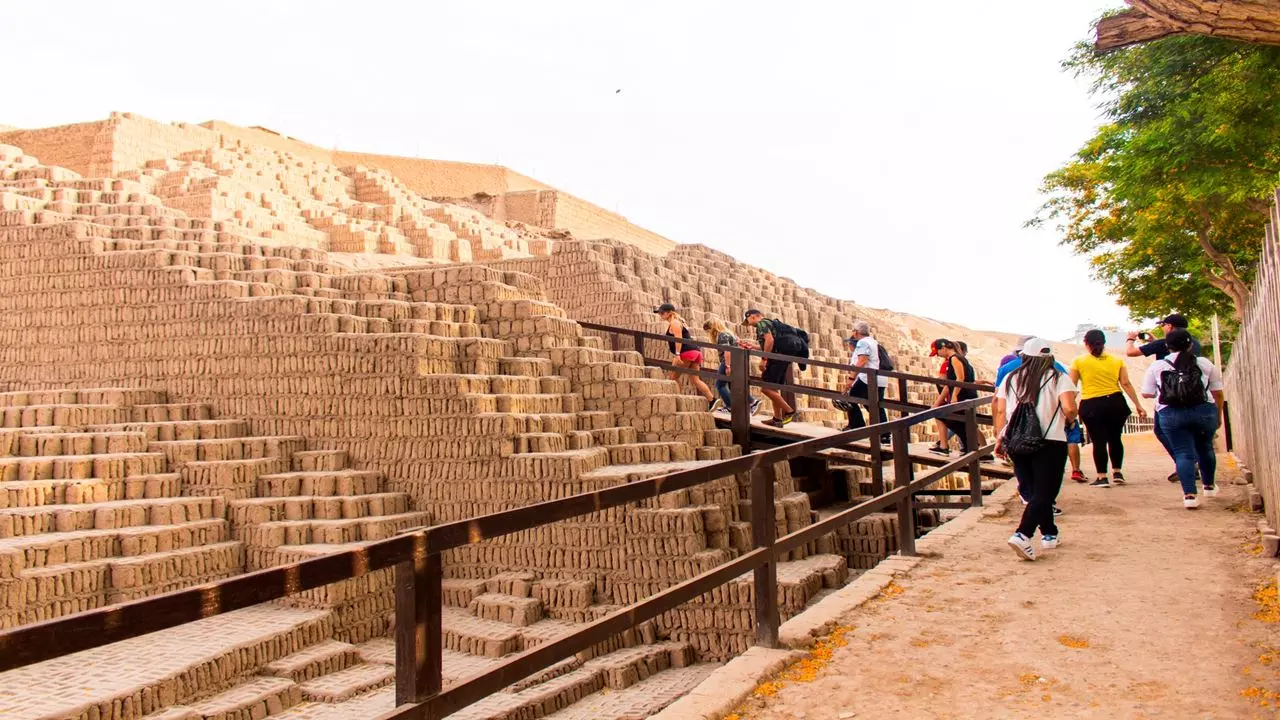
Just a few blocks from the Miraflores waterfront stands a seven-tiered pyramid over 1,500 years old. Huaca Pucllana was a ceremonial center of the Lima culture , which built it between approximately 400 and 700 AD. Later, it was occupied by the Wari and Ychsma cultures, who also used it as a burial site.
The most striking feature is the construction technique: it's made with millions of small mud bricks stacked on their edges, like books in a library. This arrangement, as explained on the site, helped the structure withstand centuries of earthquakes. Around the pyramid are plazas, courtyards, and ramps. The site museum displays ceramics and textiles, and there's a restaurant overlooking the ruins.
There are two ways to travel to this sanctuary: one is the tour to Huaca Pucllana and Mateo Salado , which includes another archaeological site near Lima. If you prefer to travel by bike, the cycling route through Miraflores and San Isidro passes by Huaca Pucllana and Huallamarca.
Ideal for: a short morning, with minimal logistics, within the city.
3. Pachacamac: the sanctuary visited by pilgrims
About 30 km south of the city center, in Lurín, lies one of the most important sites on the coast. According to the sanctuary's official brochure, it was the most significant religious center on the coast for over twelve hundred years , thanks to its oracle , which was consulted by local rulers and lords from all over ancient Peru.
Its history is long:
- Lima Culture (from the beginning of our era): erected the first buildings; the Lima Adobe Complex (200–650 AD) is the oldest construction.
- Wari (from 650 AD): the sanctuary is born as such and pilgrims from the central Andes begin to arrive.
- Ychsma (1100–1470 AD): They built most of the religious citadel, with large adobe pyramids.
- Inca (1470–1533 AD): They adopted the sanctuary and added ritual buildings, such as the Temple of the Sun and the Acllahuasi.
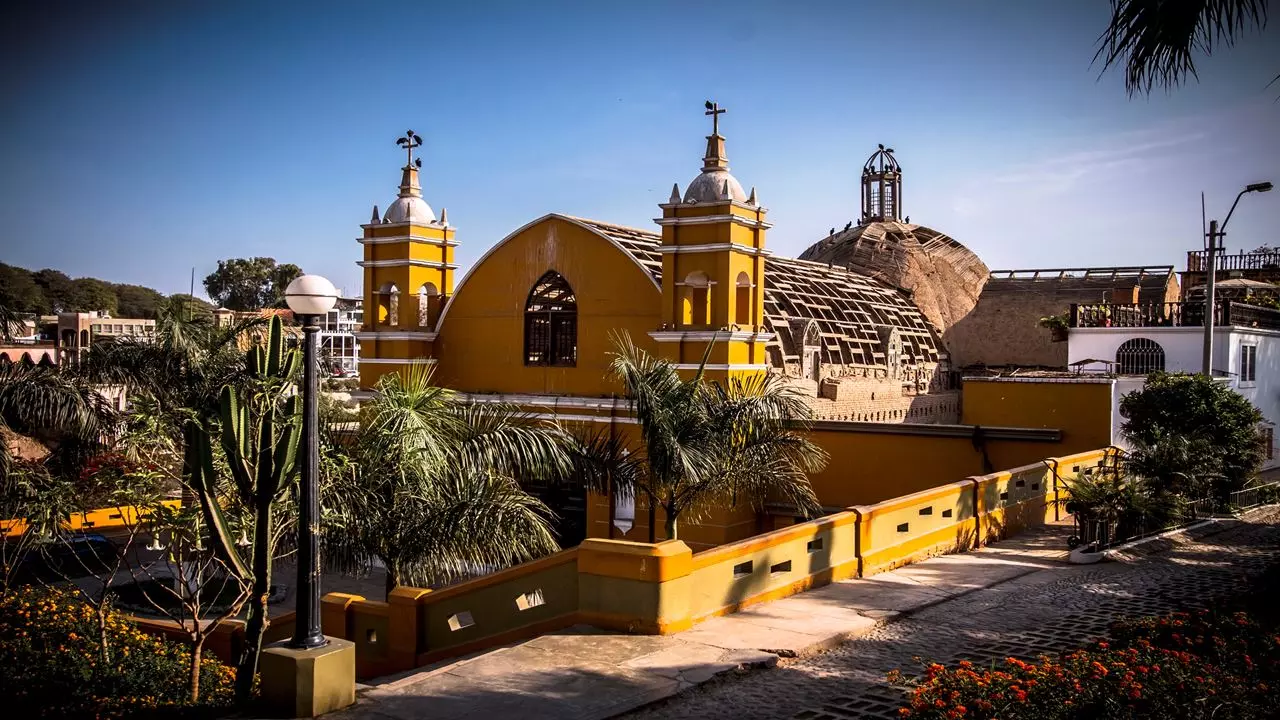
The god Pachacamac was feared because it was believed he could cause earthquakes by moving his head. Among the buildings that can be visited are the Painted Temple , a stepped pyramid with walls decorated with birds and fish, and the Temple of the Sun , from where you can see the sea, the islands, and the Lurín Valley.
The Pachacamac Archaeological Sanctuary and Barranco tour lasts between 4 and 5 hours and departs Tuesday through Sunday from hotels in Miraflores, San Isidro, or downtown. It includes a guide, entrance fees, audio guides, and water. The terrain is uneven, so wear comfortable shoes, a hat, and sunscreen. After the ruins, the tour passes through Barranco , the bohemian neighborhood that was once a fishing village and later a seaside resort for Lima's elite, featuring the Bridge of Sighs and European-style mansions.
Ideal for: those who want to see the true scale of a pre-Hispanic sanctuary and end the afternoon in a lively neighborhood.
4. The historic center: the City of Kings
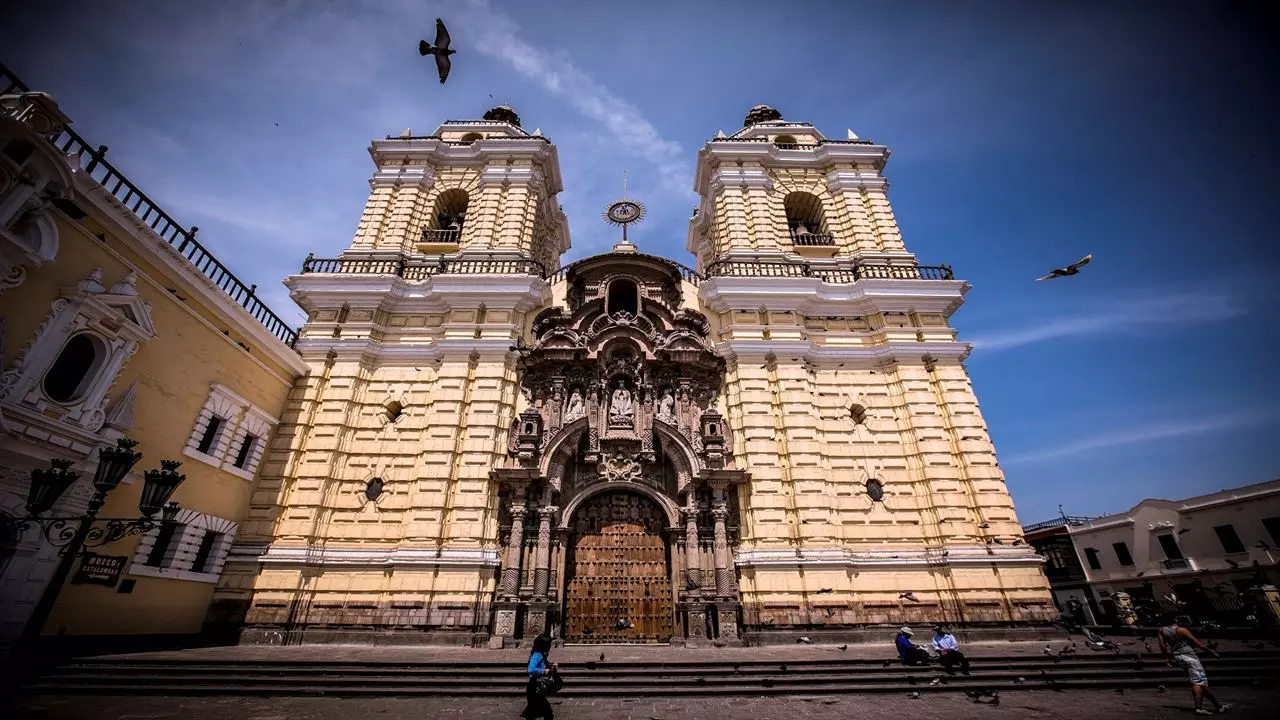
The Spanish founded Lima in 1535 , naming it Ciudad de los Reyes (City of the Kings), with a grid layout around the Plaza Mayor. This grid remains the foundation of the historic center, with its churches, balconies, and colonial-era mansions. For details about the plaza, read our article on activities in Lima's Plaza Mayor .
The simplest way to explore it is on foot with a guide. The walking tour of the Historic Center and the Catacombs allows you to understand how the city was built, street by street, and combines the city center with an underground visit.
Ideal for: your first day in Lima, to get your bearings before heading out to more distant places.
5. The catacombs: the Lima that lies underground
Beneath one of the convents in the city center lies an underground ossuary, one of the city's most intriguing attractions. During the viceroyalty, burials took place in churches and convents, and the catacombs hold remnants of this practice. Tours are conducted with a guide, through narrow, dimly lit passageways.
It's a short but impactful visit. The walking tour mentioned earlier includes it, so there's no need to book it separately. If you're sensitive to enclosed spaces, keep that in mind.
Ideal for: those looking for an experience different from museums and churches.
6. Larco Museum: 5,000 years of art in a single visit
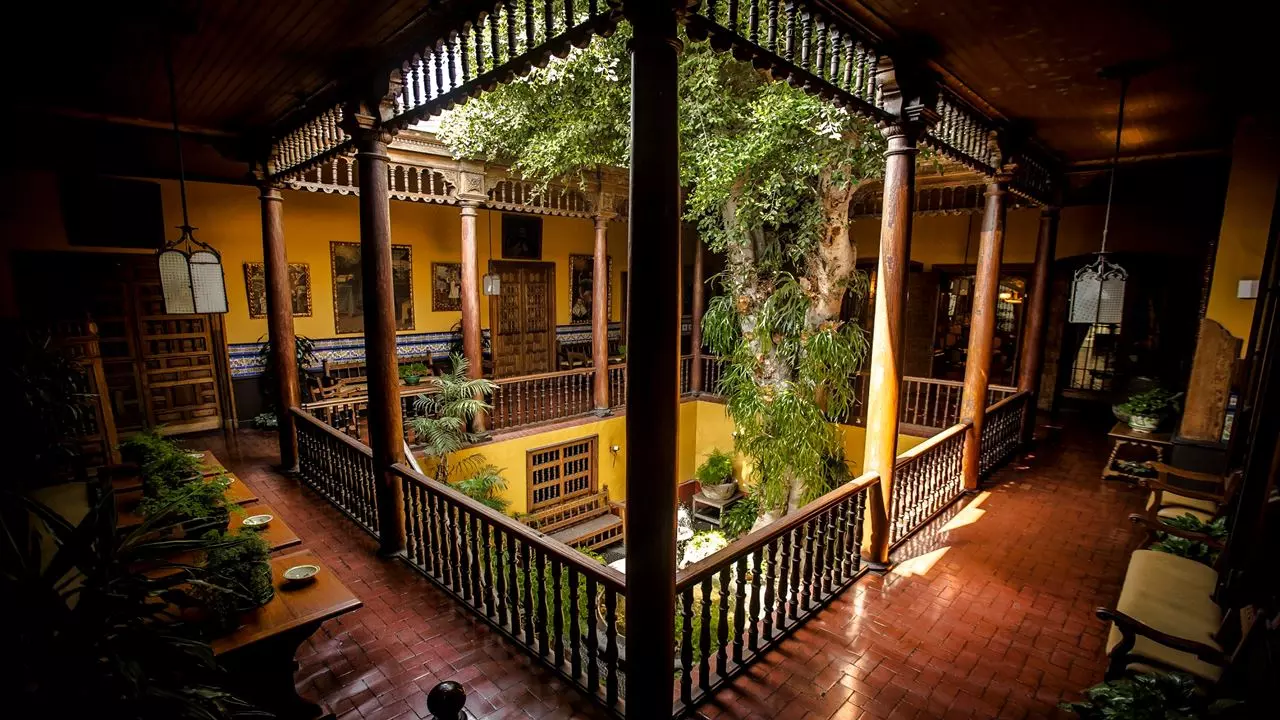
The Larco Museum houses one of Lima's most important collections of pre-Columbian art. Located in a viceregal mansion in Pueblo Libre, it allows visitors to see, object by object, what previous tours have shown in stone and adobe: ceramics, textiles, and goldwork from cultures of different eras.
There are two ways to visit it with Tangol: the city tour with a visit to the Larco Museum , which adds a panorama of the city, and the Larco Museum with gourmet dinner , designed for those who prefer to end the day with a dinner at the museum.
Ideal for: those who want to put into context everything they saw at the huacas.
7. The past that can be eaten: gastronomic heritage
Lima's cuisine is another way of reading history: it blends ingredients and techniques from Andean, Spanish, African, and Asian heritage. Trying it on the street, with someone explaining the origin of each dish, helps you understand how the city's cultures have evolved.
The street food tour in the Historic Center combines walking and tasting. If you'd like a more leisurely dinner afterward, we recommend this guide to restaurants in Lima .
Ideal for: those who want to end the day with something more relaxed and tasty.
8. If you have extra days: Nazca and the Ballestas Islands
With more time, you can add the excursion to the Nazca Lines and the Ballestas Islands . It's not a tour of historic Lima, but it completes the picture of the cultures that inhabited the Peruvian coast.
How to combine experiences
| Days | Suggested plan |
|---|---|
| 2 days | Day 1: Historic center + catacombs, and Larco Museum. Day 2: Pachacamac and Barranco. |
| 3 days | Visit Huaca Pucllana in the morning, before spending the afternoon free in Miraflores. |
| 4 days | Add the whole day to Caral. |
Tips for your historical tour
- Check the visiting days. Some archaeological sites and museums are closed one or more days a week; confirm this when booking.
- Wear comfortable shoes, a hat, and sunscreen. There's a lot of sun in Pachacamac and Huaca Pucllana.
- Combine near with far. Huaca Pucllana and the city center can be explored in half a day; Pachacamac and Caral require more time.
- Book your full-day excursions in advance .
- Bring a light jacket in the cooler months: the coastal humidity is noticeable.
When was Lima founded?
The Spanish founded it in 1535 with the name Ciudad de los Reyes (City of the Kings). But the territory already contained ceremonial centers more than a thousand years old.
What is the oldest archaeological site near Lima?
Caral-Supe, which is about 5,000 years old according to UNESCO, which registered it as a World Heritage Site in 2009.
Is it possible to visit a huaca within the city?
Yes. Huaca Pucllana is in Miraflores and can be visited with a guide; there are also huacas in San Isidro and other districts.
What to see in Lima if you're interested in history?
A good tour includes Huaca Pucllana, the historic center with the catacombs, the Larco Museum and Pachacamac.
How long does the tour to Pachacamac last?
Between 4 and 5 hours, according to Tangol's information sheet, including the visit to Barranco.
Is Pachacamac Inca?
Not entirely. The sanctuary was established earlier: it was consolidated from 650 AD and the Incas adopted it around 1470, adding their own buildings.