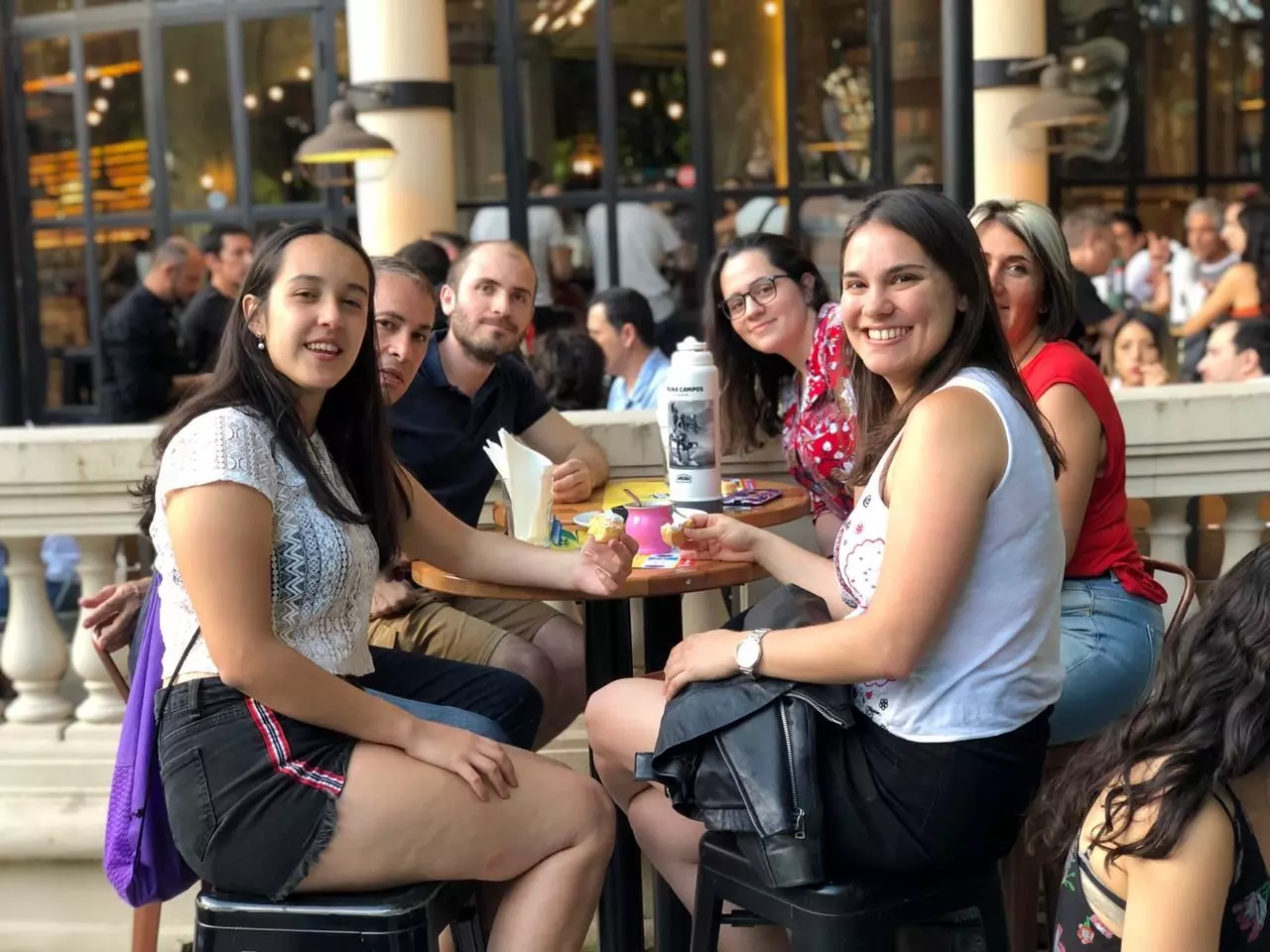
Getting to know Argentine culture is, for many travelers, one of the main reasons for choosing this destination. Beyond the waterfalls, glaciers, or vineyards, what surprises first-time visitors most are the everyday customs: how people greet each other, what time dinner is served, what to drink at a gathering with friends, or why a soccer match can bring an entire city to a standstill.
This guide brings together the typically Argentine things that tourists ask about most before traveling, explained with the detail you need to understand them (and dare to try them) during your trip. You'll find, in one place, the most deeply rooted customs and traditions of Buenos Aires alongside those from other regions of the country, because the traditions of Argentina's provinces don't always match what you experience in the Capital.
If after reading this article you want to experience several of these customs in a single trip, tour packages in Argentina combine cities, regions, and activities, from gastronomy to tango, wine, and Patagonia, tailored to how many days you have and what you're interested in seeing.
Greeting with a Kiss: One of Argentina's Most Surprising Customs
Argentines are known for being friendly and affectionate. It doesn't matter if you're a friend or a stranger: the custom is to greet with a kiss on the cheek, between women, between women and men, and also between men in many parts of the country. In Latin America this gesture is common, but for travelers from other cultures, it usually draws attention, especially the first time they see it between men. If it's someone they haven't seen in a while, the greeting extends into kisses, hugs, and back slaps.
Another gesture that surprises foreigners is being invited to an Argentine's home. In many countries, sharing your personal life with someone you've just met, let alone inviting them for a meal, is unusual. Here it's different: if you've made a good impression and built trust, it's not unusual to be invited to their house for a family barbecue or to share some mates.
Mate: The Infusion That Represents Argentine Culture
If there's one thing that represents Argentina above all else, it's mate. It's the traditional and favorite infusion of most Argentines, bitter in taste, although you can add sugar, sweetener, or honey to your liking. More than a drink, it works as an excuse to strike up a conversation with whoever's nearby.
When is it drunk? At any time of day: morning, afternoon, or night. In Argentina there's no fixed time to enjoy a good mate accompanied by pastries, cookies, biscuits, or fried cakes. Unlike coffee or tea, it's not usually served in restaurants—most Argentines have their own "mate set" and prepare it at home.
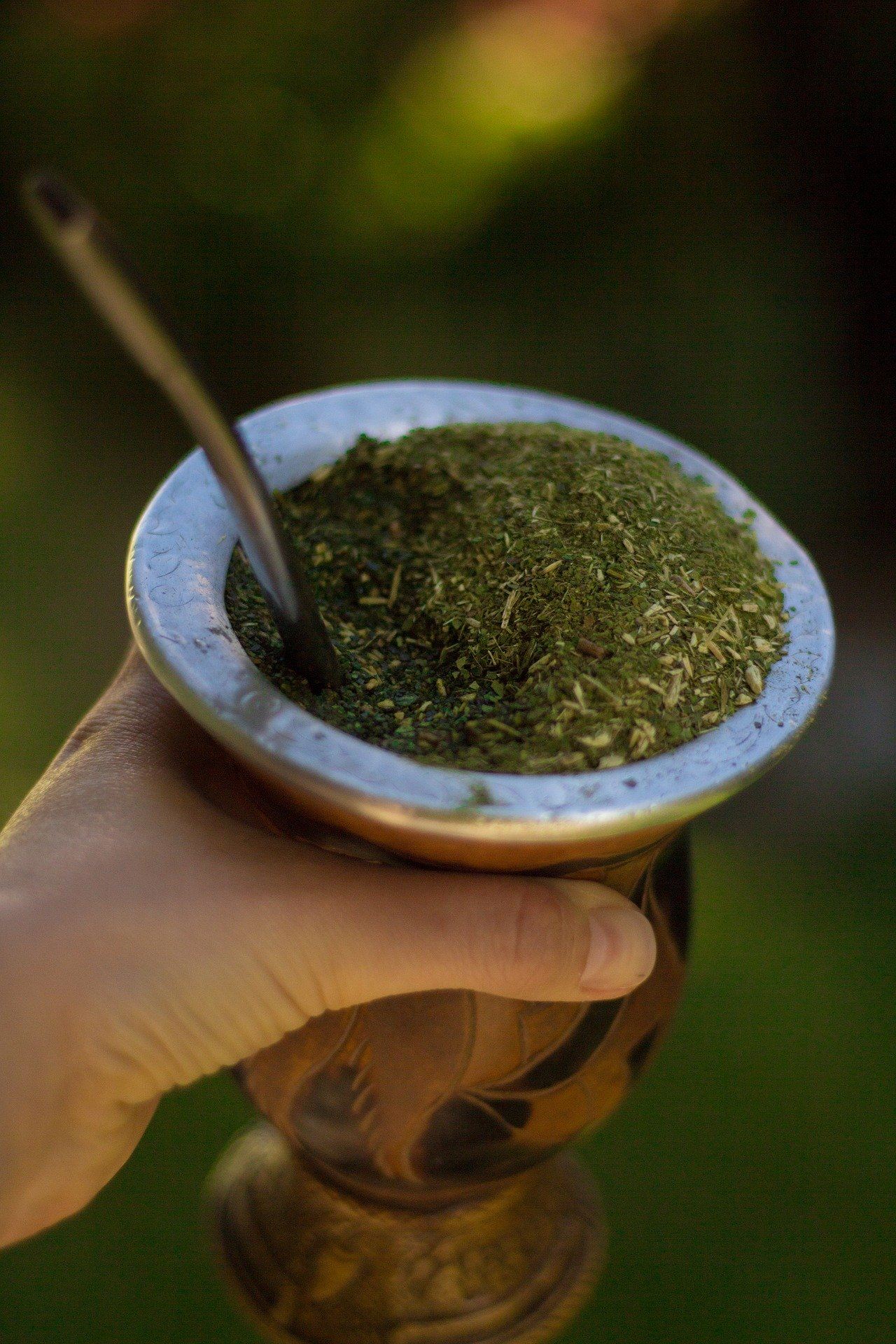
If you want to put together your own, this mini-tutorial will guide you:
- Heat the water to 70°C (158°F). You can use an electric kettle (in Argentina they already come with the "mate" setting) or a classic kettle on the stove. The key is that it's hot but doesn't reach a boil.
- Put the yerba inside the mate, filling a little more than halfway. Cover the mouth of the mate with your hand, shake it downward, and turn it over again to remove the dust from the yerba.
- Move the yerba so that more of it is toward the front, leaving room for the bombilla (straw).
- Place the bombilla in that space.
- Pour the water into a thermos (you can drink it straight from the kettle, but the thermos is more comfortable and safe) and start pouring.
- Sip the water through the bombilla and enjoy the infusion accompanied by pastries, cookies, or fried cakes.
Extra tips: always pour the water near the bombilla to make the yerba last longer; don't pour too much water at once, as it can overflow and lose flavor ("the mate gets washed out"); if you find it too bitter, you can sweeten it or wait a few rounds until the yerba softens.
Té Cachamai: Another Typical Argentine Infusion
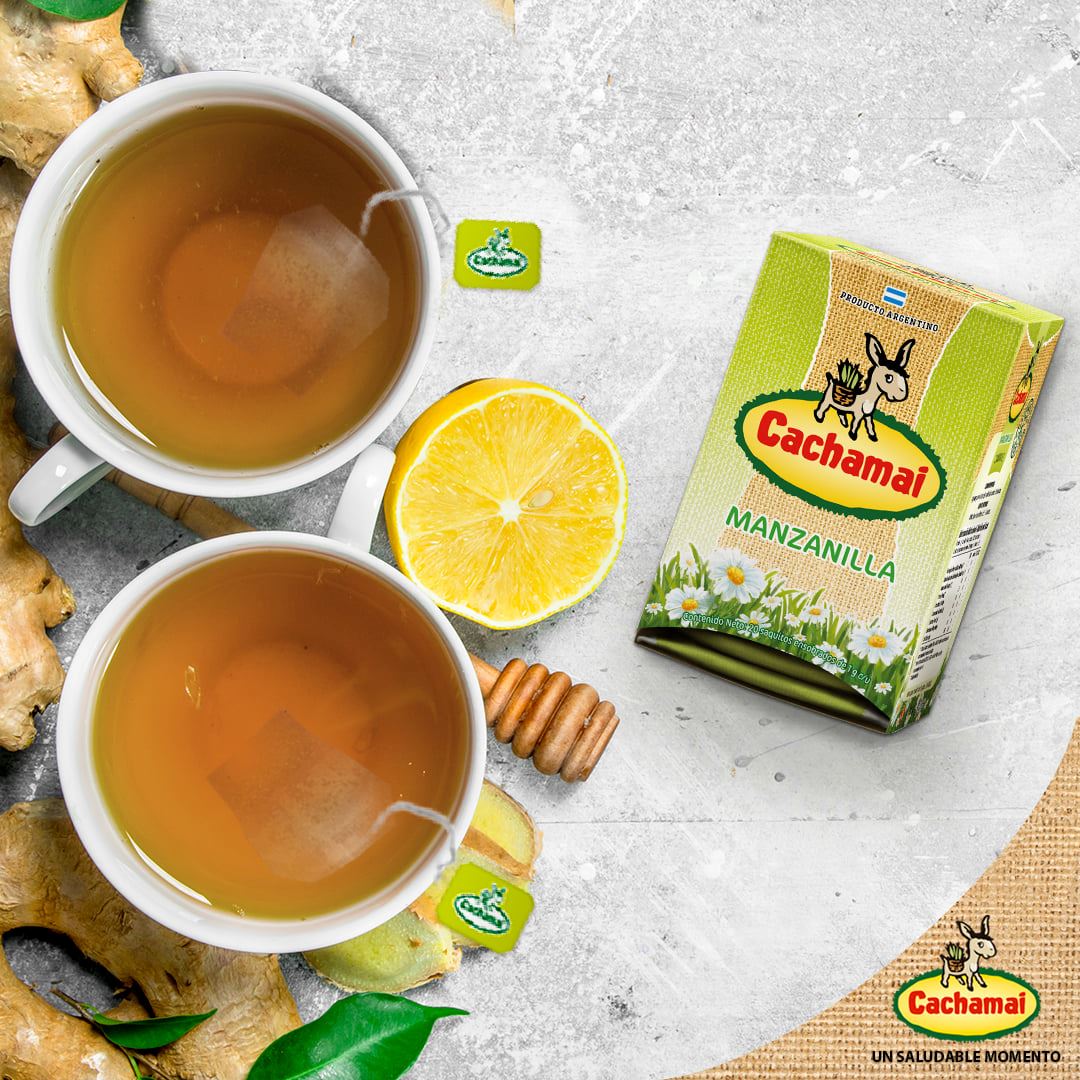
Cachamai is one of Argentina's leading natural product brands, now also recognized abroad. Like mate, tea is one of the most consumed infusions by Argentines: regular tea, green tea, or herbal blends are a regular part of the daily table, especially when mate isn't the chosen option.
Dulce de Leche: A Staple of Argentine Customs
There's no official census, but dulce de leche is probably one of the products found in every Argentine household. It's a sweet made from cow's milk, sugar, vanilla essence, and a pinch of baking soda, and it appears on any list of things that represent Argentina.
There are different types based on consistency:
- Colonial: higher proportion of milk than sugar, firmer.
- Repostero: the thickest, used especially in baking.
- Classic: the sweetest and at the same time softest style.
- Light: a lighter version that appeared in recent years.
It's spread on bread, toast, or cookies, and some people eat it straight by the spoonful alongside mates or coffee. It's also the main filling of another local gastronomic icon: the alfajor.

Talking Politics: Almost Always Present at Any Gathering
At barbecues or mate sessions, a classic topic usually comes up sooner or later: politics. Most Argentines enjoy debating the subject, whether they have a lot of information or not. The most recognized movement in the country's recent history is Peronism, with Eva Perón as one of its strongest symbols.
Ideological differences remain very present in daily conversation and often generate intense discussions even among friends and family—something popularly known in Argentina as "la grieta" (the divide). For a traveler, it can be interesting to hear different viewpoints and draw their own conclusions, though it's best to approach the subject with the same curiosity as trying a new food: without rushing to take sides.
Soccer: One of Argentina's Strongest Traditions and Customs
Argentina is the land of great soccer players from different eras: Di Stéfano, Maradona, and Messi each achieved, in their time, being considered the best in the world. For Argentines, soccer is much more than a sport: it's a passion that awakens joy at winning, euphoria from a last-minute goal, and anger when the result doesn't go their way. The country's unmissable spectacle is the superclásico between River Plate and Boca Juniors, two of the most popular clubs.
As soon as a match begins, everything stops. Many fans postpone plans and travel long distances just to follow their team, and every four years that same fervor pours into the World Cup, when internal differences are set aside for a single cause.
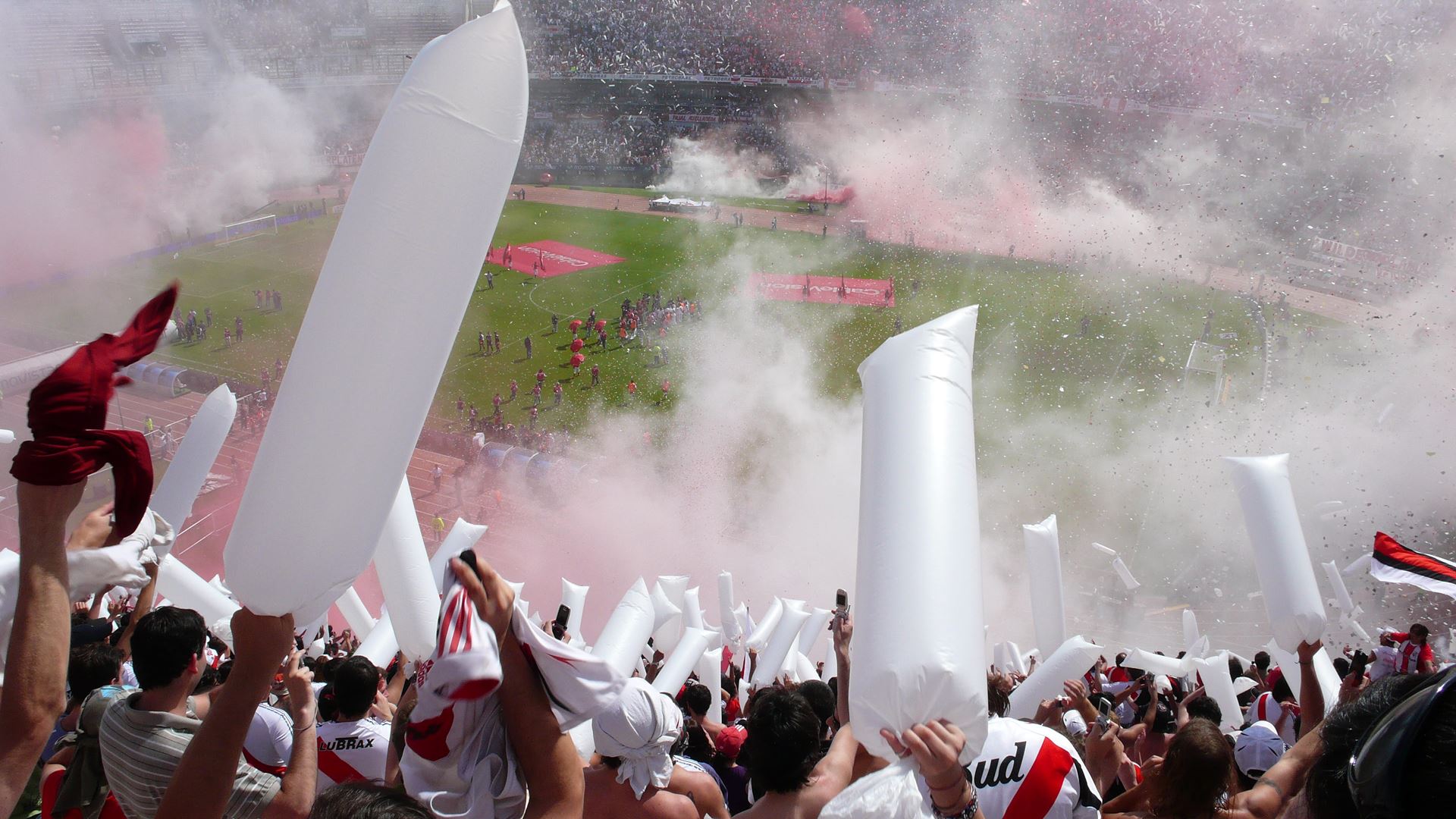
If you're interested in experiencing this passion up close, you can get tickets for Argentine Professional League matches through Futboltour, or join a guided tour of the Monumental and La Bombonera stadiums, which visits both historic homes of River and Boca along with their museums.
Fun fact: on October 30, 1998, in Rosario, a group of Diego Armando Maradona fans founded the "Maradonian Church," which brings together admirers of the former player under the idea that it's a religion of passion and devotion, with its own commandments and a prayer adapted as a parody of the Lord's Prayer.
Sleeping the Siesta: A Tradition of Argentina's Northern Provinces
Usually done after lunch, from noon until three or four in the afternoon. In northern Argentina, in particular, the siesta is a ritual that's almost non-negotiable: during that time, many businesses and services close their doors. This is good to keep in mind during your trip, because in that time slot priorities change depending on the region.
In Buenos Aires, on the other hand, it's not as common, since the city is known for not stopping at any time of day.
La Previa: The Ritual Before Going Out Dancing
If you're thinking about experiencing the Argentine nightlife and going out with friends, someone will probably invite you to "la previa": a gathering, at a bar or someone's house, that serves as a meeting point before heading to the club. The atmosphere is usually relaxed, with homemade drinks, music, and sometimes a game to break the ice.

In some previas, a particular ritual also appears: drinking from a cut bottle—a soda bottle cut in half and turned into an improvised glass, passed from hand to hand among those at the gathering, usually with wine or a mix of wine and soda. This type of previa exists because in Argentina, no club fills up before 2 AM, and the peak of the night is usually between 3 and 5 AM.
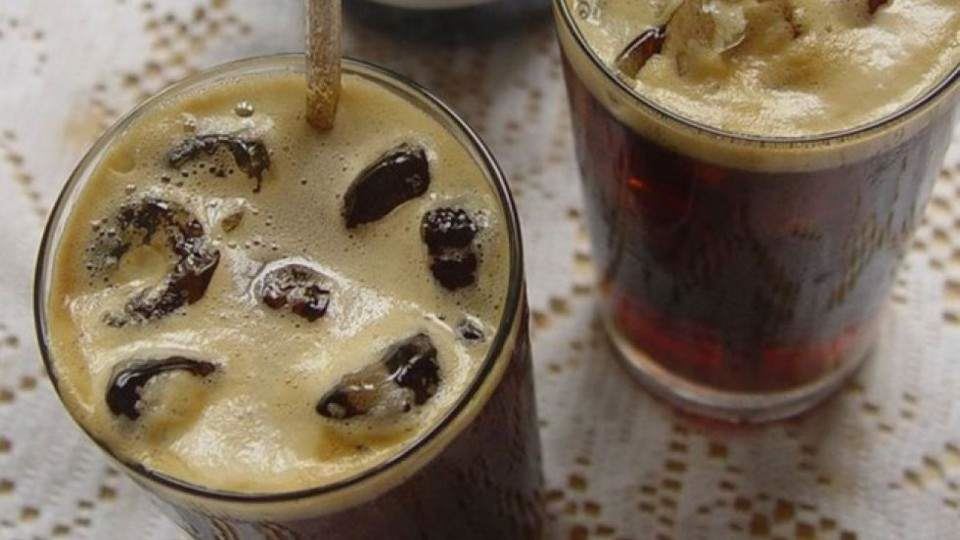
Fernet with Cola: One of the Most Popular Drinks
Dark in color, intense in aroma, and bitter in taste, fernet is an alcoholic beverage that over time became popular mixed with cola-flavored soda. In the province of Córdoba, in particular, it's part of the local cultural identity. Today it's one of the most chosen drinks by Argentines to share at barbecues, previas, and gatherings with friends.
Tips for preparing it: the classic ratio is 30% fernet to 70% cola soda, which should be served very cold and carbonated, adding ice to taste.
Argentine Wine: Another of the Things That Represent Argentina Worldwide
Argentina is one of the world's leading producers of quality wine. Vineyards are distributed across the north of the country, though the greatest concentration is in the Cuyo region, mainly in the province of Mendoza.
There, Pinot Noir is produced —a red wine known for its concentration— and Malbec, the most internationally recognized variety for its intense, fruity flavor. Among reds, it's also worth trying Bonarda, full-bodied with a fruity aroma, and among whites, Torrontés, which is produced only in Argentina and has three main varieties: Sanjuanino, Mendocino, and from Cafayate in Salta. It's an excellent accompaniment to typical northern Argentine dishes, especially empanadas and locro.
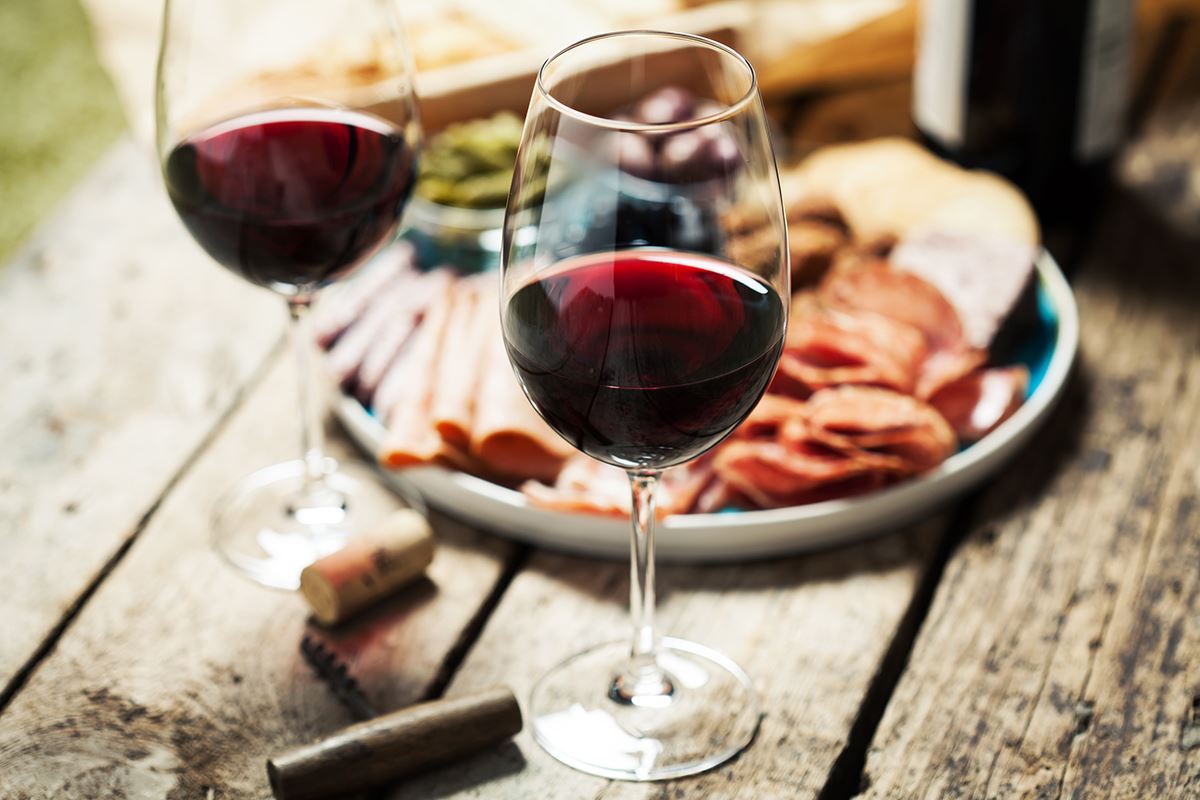
At gatherings, there's also the custom of "jarra cortada" : when there aren't enough glasses, a pitcher or bottle of wine is shared among several people, taking turns drinking directly from it. This practice is more associated with informal gatherings, previas, or popular parties than with a restaurant or formal dinner.
If your travel plan includes getting to know this wine tradition up close, the luxury Buenos Aires with Mendoza package combines the city with guided tours and tastings at the most recognized wineries in Luján de Cuyo and the Uco Valley, also including a tango show with dinner in Buenos Aires.
Asado: The Sunday Ritual of Argentine Customs
For an Argentine, eating an asado isn't just sitting down to eat meat: it's the perfect excuse to get together with family and friends. It's one of the great classics of Argentine gastronomy, a true Sunday ritual. If you're passing through the country, you might be invited to enjoy it at someone's home; if you're not that lucky, there are always restaurants and parrillas with good varieties to try.
The cut served, the side dishes, and the chosen drinks are key to a good asado. That's why we recommend reading our full article on everything you need to know about a typical Argentine asado. And if you prefer to experience this tradition guided, rather than organizing it yourself, the classic Buenos Aires tour package includes city tours combined with typical gastronomic experiences—ideal for a first visit.
Picadas: Another Custom on the Argentine Table
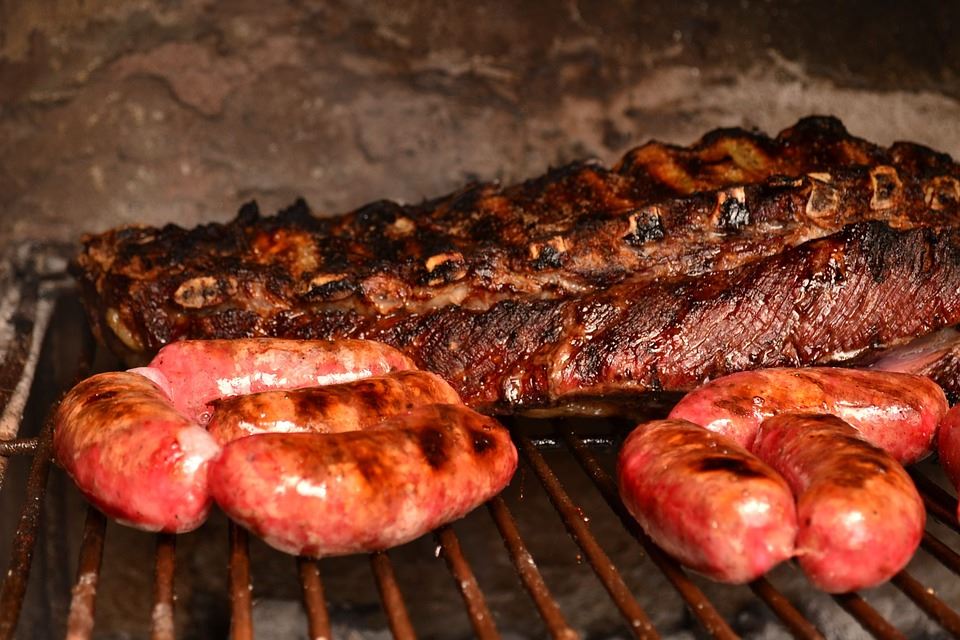
Picadas are another common custom on the Argentine table: foods cut into small portions, meant to be "snacked on" before the main meal. A classic picada usually includes homemade sliced bread, cold cuts (especially cured ham and matambre), a variety of cheeses, homemade sausages or salami, olives, and snacks like potato chips, salted breadsticks, or peanuts.
Sometimes they're so abundant that they end up being the main course. In restaurants, it's common to find "hot picadas" with fried chicken, mozzarella sticks, french fries, dipping sauces, meatballs, or sliced milanesas, and "seafood picadas" with fried squid rings, prawns, silversides, and shrimp.
Empanadas: A Typical Dish with Its Own Identity in Each Region
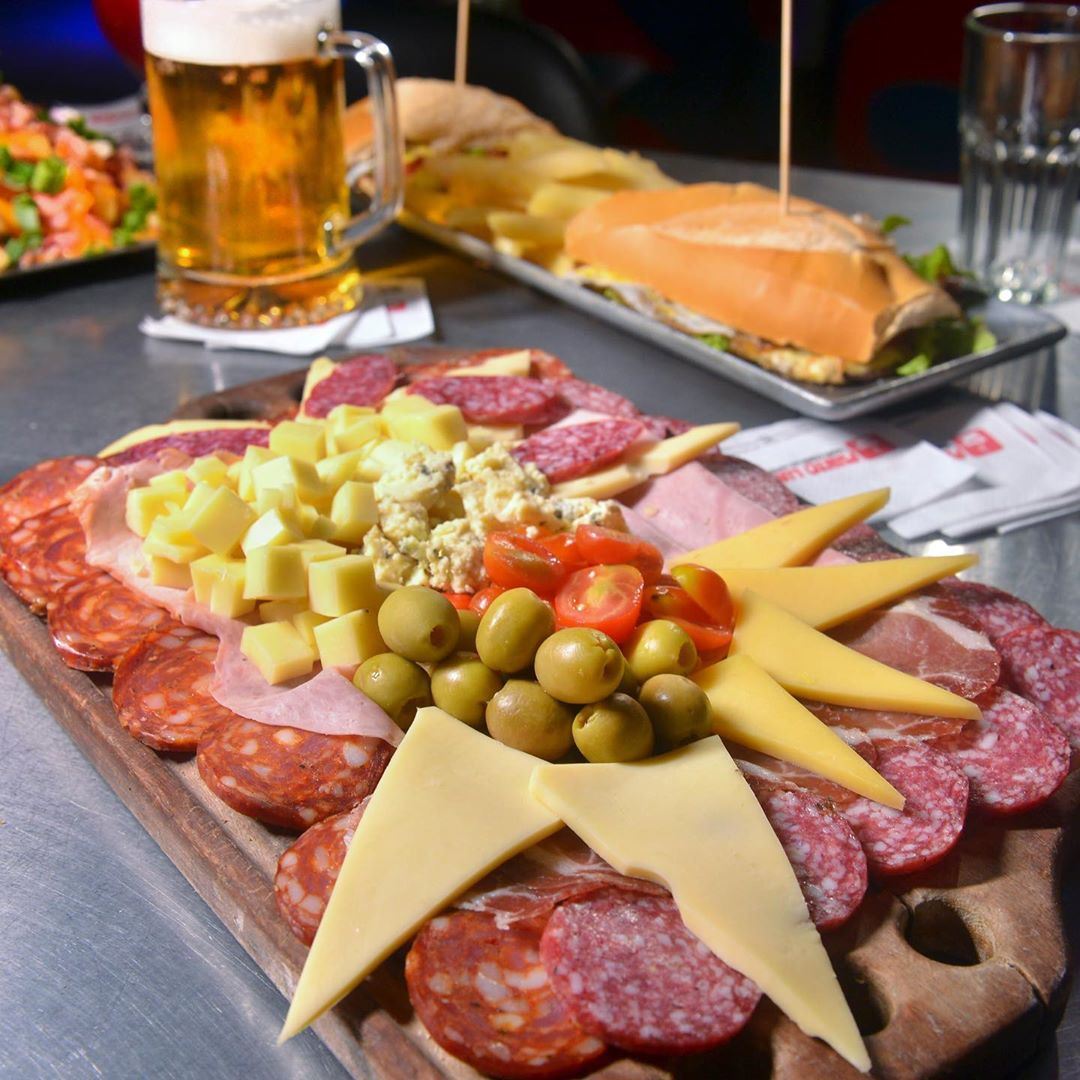
Although they're also prepared in other Latin American countries, many agree that there are no empanadas quite like Argentine ones. It's an easy-to-eat dish with many varieties depending on the region. The most traditional is the criolla empanada, with a dough filled with minced meat, olive, onion, egg, and seasonings to taste, more or less spicy depending on the area.

Milanesas: The Everyday Dish
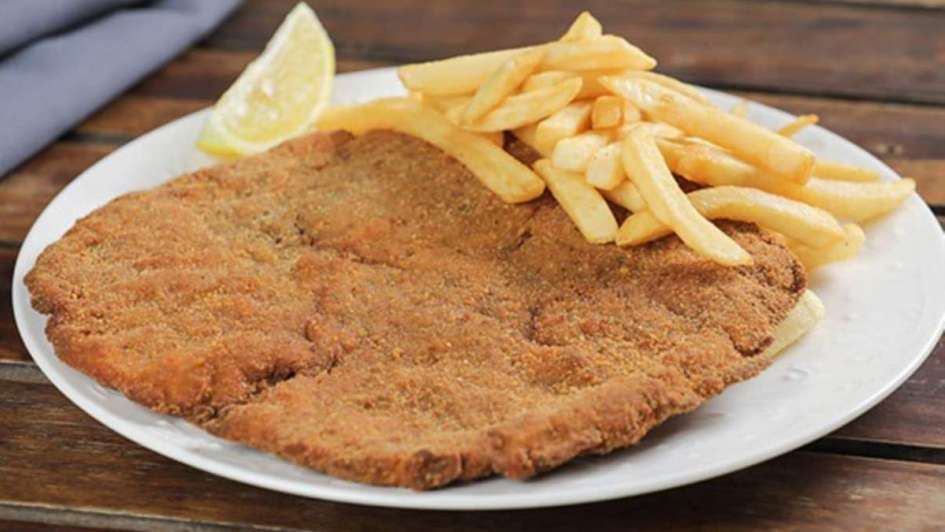
It's the quintessential popular dish on the Argentine table: a cut of meat or chicken breaded with breadcrumbs and egg, fried or baked. There are varieties of all kinds, as you can bread meats, chicken, fish, soy, or vegetables, according to taste. It's usually served with french fries and mashed potatoes, although some prefer a salad to balance the meal, and many add a squeeze of lemon or some dressing.
Vitel Toné: A Must-Have at Year-End Celebrations
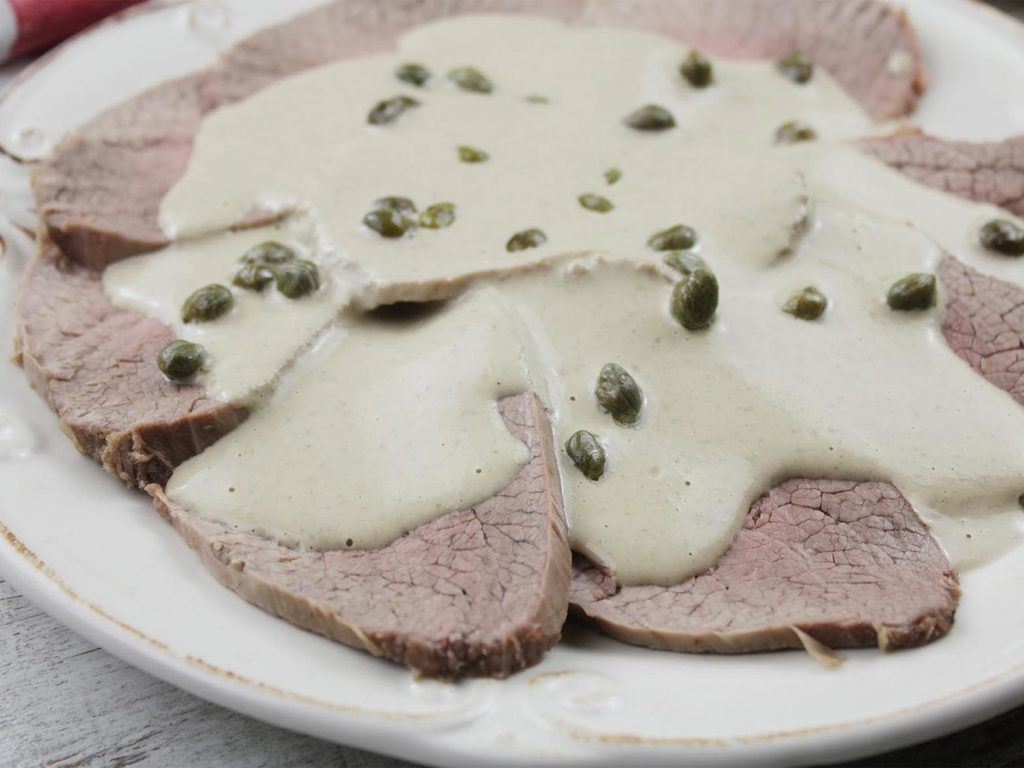
Although it's a dish of Italian origin, vitel toné is consumed much more in Argentina. It's a cut of meat, usually rump roast, boiled in a broth with vegetables for two to three hours, left to cool, and sliced thin. The sauce is made with tuna, mayonnaise, cream, and capers. While in Europe it's a summer dish, in Argentina it's a festive meal, a must-have on the Christmas or New Year's table.
Argentine Schedules: Late Dinner and Light Breakfast
Argentines have the custom of eating dinner quite late, partly due to a busy daily routine between work, study, and social life, which makes days stretch longer than usual. That's why it's common for dinners to start only after 9 PM. If you're not used to that schedule, it's good to have an afternoon snack so you don't arrive too hungry.
Breakfast, on the other hand, doesn't have the same importance as in other countries. The most complete breakfasts are usually found in hotels or gourmet cafés; in traditional neighborhood bars, the norm is a coffee with medialunas (croissants) or toast. And if you happen to have breakfast at an Argentine's house, you'll likely be offered mates with cookies.
Tango: One of Argentina's Most Recognized Cultural Symbols
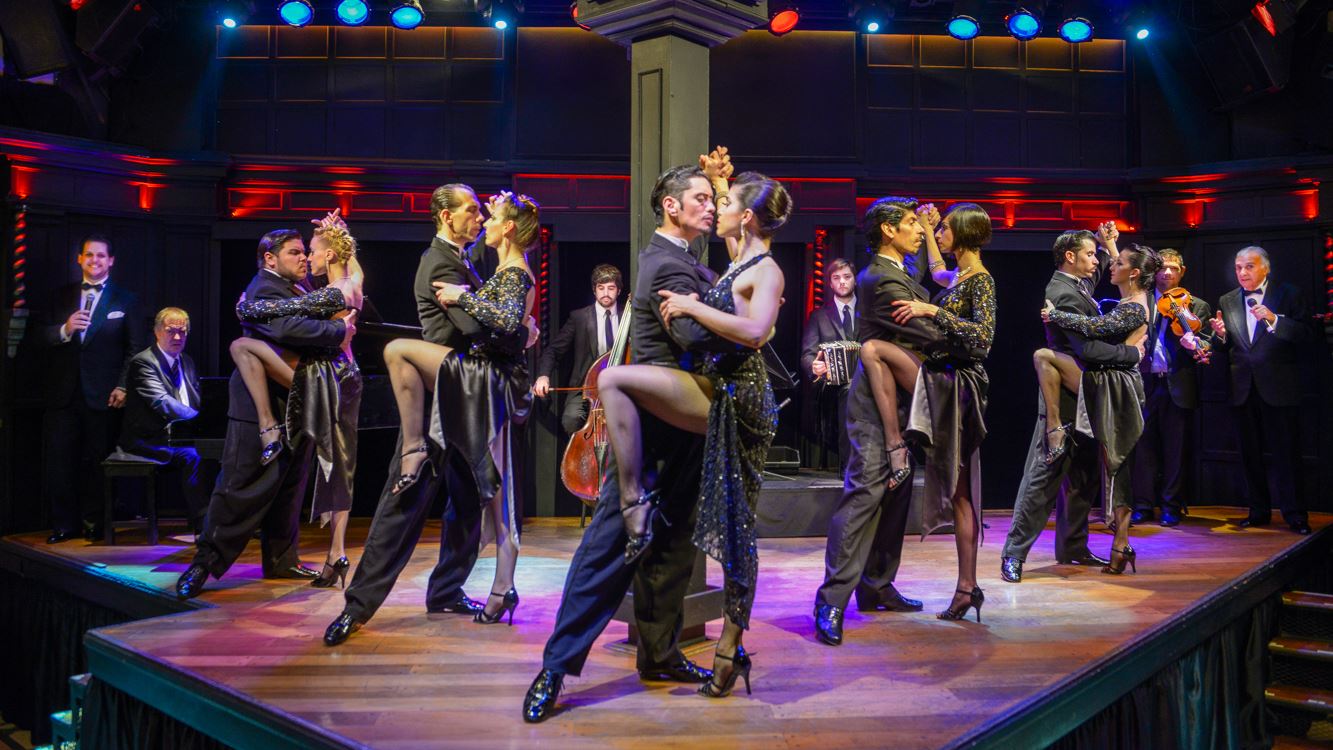
Tango is a sensual dance with strong eye contact, and also a musical genre that emerged at the beginning of the 20th century, largely thanks to European immigration. Over time, it became one of Argentina's most internationally recognized cultural attractions, and it stands out in every corner of Buenos Aires.
Various musicians, composers, and lyricists marked its history:
- Astor Piazzolla: composer and bandoneon player, one of the most famous of the 20th century, author of tangos like Libertango and Verano Porteño.
- Carlos Gardel: born in France but raised in Buenos Aires from childhood; he was a composer, singer, and actor, and remains the most recognized icon of the genre.
- Tita Merello: Argentine actress and singer, she debuted in the first film called ¡Tango! and became forever associated with the song "Se dice de mí."
- Homero Manzi: poet who brought the first poetic lyrics to tango and is recognized for having renewed the milonga.
If you're visiting Buenos Aires, many tango houses offer shows with optional dinner where you can relive the genre's history from its beginnings to the present day, and there are also excursions dedicated exclusively to porteño tango, designed for those who want to delve into its history, historic dance halls, and main figures.
Folklore and Gaucho Traditions of Argentina's Provinces
Folklore is the music that represents a large part of the country's interior, divided into many genres that vary by region. Unlike tango, it usually takes place in a more family-friendly and joyful atmosphere. Its dances are among the best-preserved traditions of Argentina's provinces, and they depend on melodies specific to each area: the chacarera, malambo, gato, chamamé, zamba, and carnavalito are some of the best-known.
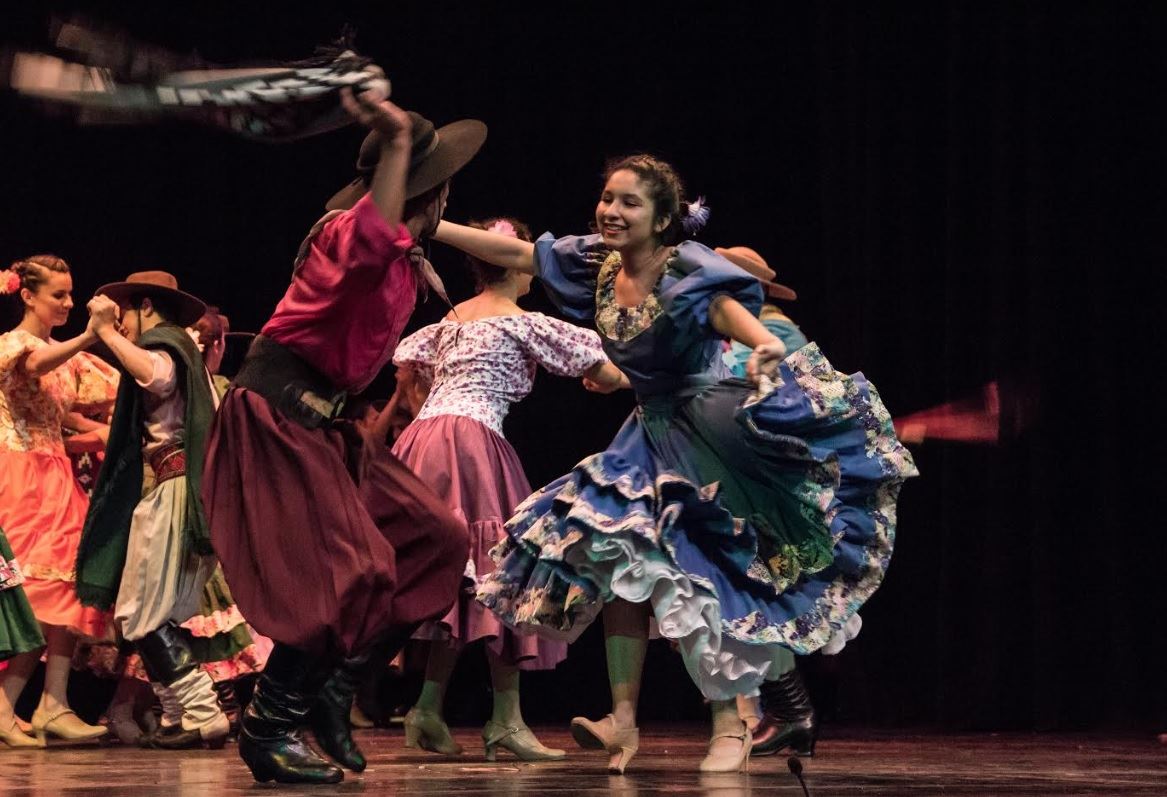
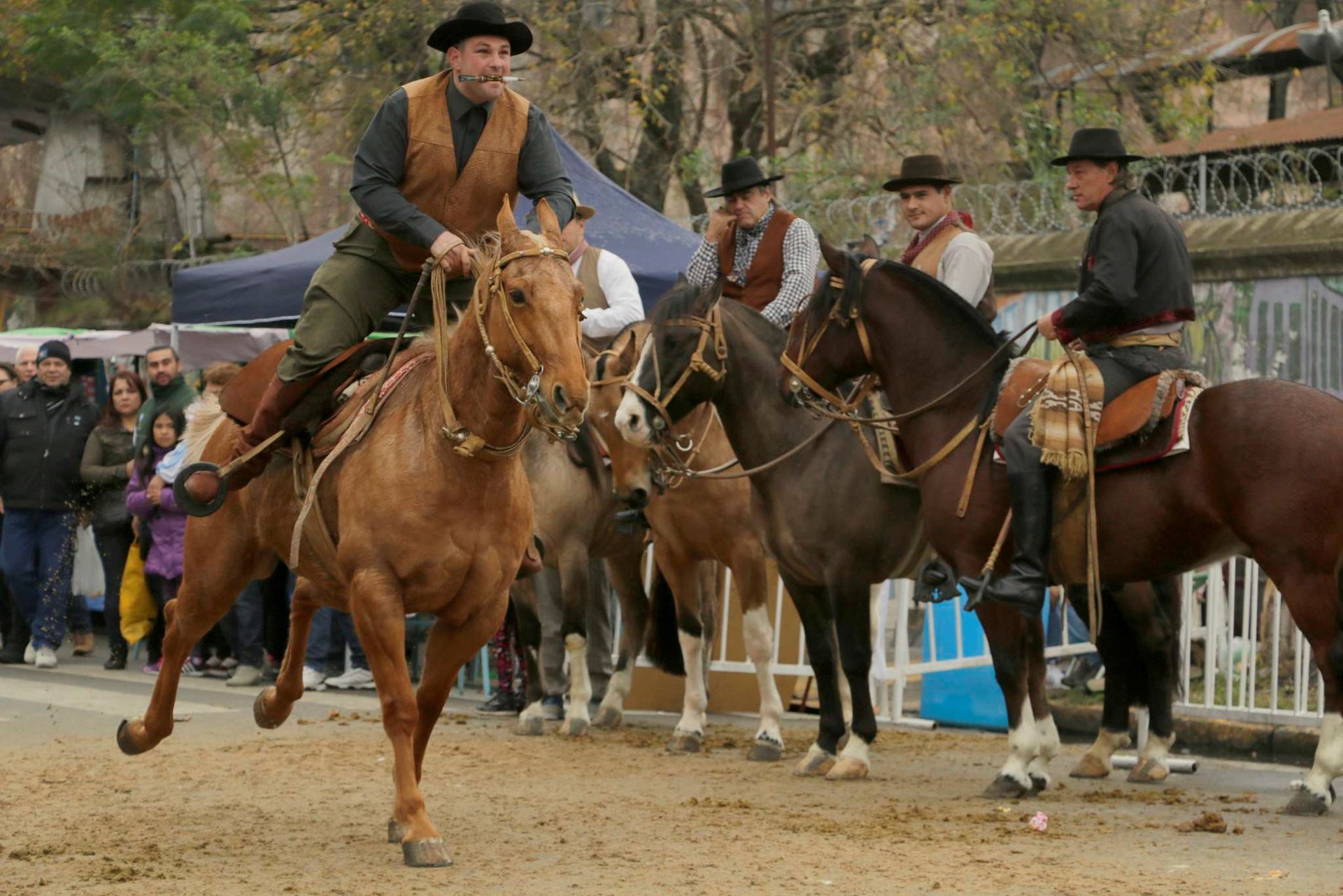
If you want to spend a day surrounded by folklore and gaucho culture, you can join a peña (folk gathering), spend a day in the countryside at a ranch (estancia), visit the traditional Mataderos fair, or choose an experience that brings together several of these traditions in one day, such as the Gaucho Festival at Estancia Santa Susana, which combines criollo barbecue, folklore shows, and country skills just over an hour from Buenos Aires.
La Corrida de Sortija: A Traditional Game of Gaucho Culture
This is a game in which the gaucho—or "horseman"—must thread a small stick he holds in his hand through a ring. He starts galloping for a few meters, stands on the stirrups, and with his arm raised, tries to place the stick through the ring. It belongs to gaucho tradition and is still practiced in Argentina, especially at the Mataderos fair, at folklore festivals, and on day trips to ranches that recreate traditional country skills, like the aforementioned Gaucho Festival at Estancia Santa Susana.
Rock Nacional: The Soundtrack of Several Generations
Rock nacional was born in Argentina from the influence of American rock and roll and the boom generated by The Beatles. It wasn't just about composing in Spanish, but about building own movements with different musical expressions that gained great popularity.
During the last military dictatorship, this genre suffered heavy censorship, as it was considered revolutionary by the security forces, which led several artists to leave the country. With the return of democracy, rock nacional resurfaced with melodies and lyrics tied to freedom of speech, social equality, and the injustices experienced. Today there are countless artists and bands in the genre, but Charly García, Luis Alberto Spinetta, and Soda Stereo are undoubtedly the ones who marked a before and after.
Other Musical Genres: Cuarteto and Cumbia
Cuarteto is a genre heard throughout the country, though it was born in Córdoba province, and is characterized as a fun rhythm that can't be missing from any birthday or wedding. Rodrigo and La Mona Jiménez are two of its greatest icons.
Cumbia, on the other hand, arrived in Argentina in the 1990s through Peruvian and Bolivian immigration. Over time, in working-class neighborhoods, "cumbia villera" emerged—a style with distinctly Argentine slang that still plays in many clubs across the country, with Damas Gratis as its most popular group.
Argentine Comics: Characters That Became Icons
A comic strip (historieta) is basically a story told through illustrated panels. But for Argentines, some of its characters are much more than that: they became icons of Buenos Aires.
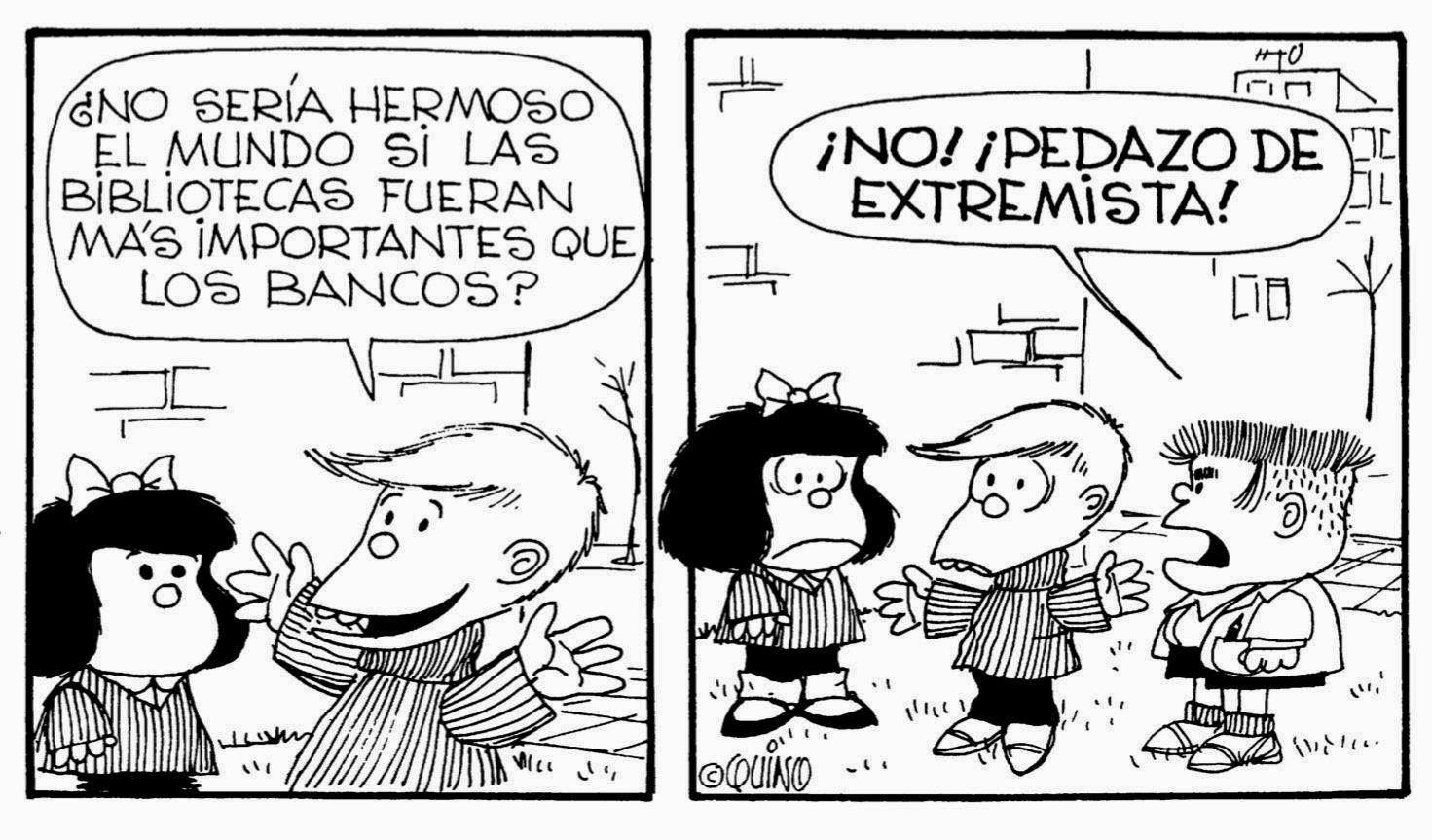
- Mafalda, created by Quino, is a little girl concerned with human issues and world peace, constantly questioning adults and the world around her.
- Clemente, by Caloi, represents the soccer fan and national humor.
- Diógenes y el linyera, created by Tabaré, Carlos Abrevaya, and Jorge Guinzburg for Clarín newspaper, follows a stray dog who acts as narrator and a vagabond who lives in a square.
- Yo, Matías, by Sendra, is an innocent and friendly boy who, with the simplicity of childlike thought, tries to understand adult lifestyles.
All these characters can be found at the "Paseo de la Historieta" in Buenos Aires, a street circuit that pays tribute to them.
"Che" and "Boludo": Two Essential Words in Argentine Culture
They can't be missing from the daily vocabulary of Argentines, and you'll most likely hear them dozens of times a day. "Boludo" can mean two very different things depending on the tone used: in a serious, raised tone, it functions as an insult; in a calm, familiar tone, it's used affectionately among friends. Paying attention to that difference helps in understanding each conversation better.
"Che," on the other hand, is used to call someone or get another person's attention—similar to "hey" in English. You'll hear it in all kinds of sentences: Argentines practically can't speak without saying "che."
These are just some of the most representative Argentine customs and traditions, but each province adds its own nuances worth discovering on location. If you're interested in experiencing tango, asado, wine, and Patagonian landscapes all included, the luxury Portraits of Argentina package covers Buenos Aires, Iguazú, Mendoza, and Bariloche, combining several of the cultural experiences described in this article into a single itinerary.