
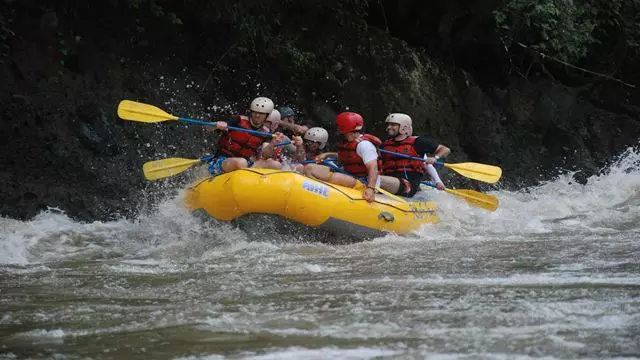
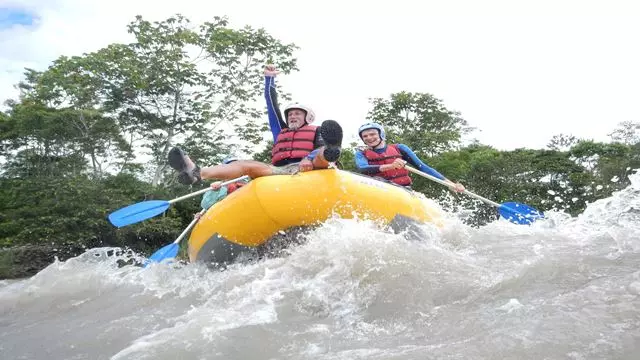
Rafting near Quito combines Class III and IV rapids with spectacular Andean scenery and lush cloud-forest landscapes. Day trips take you to rivers such as the Quijos, where you can paddle through exciting sections, learn river techniques and enjoy a full outdoor adventure just beyond the city.
Filters
2 results
Frequently asked questions
Rafting excursions in Quito generally combine a river adventure with time in Ecuador’s natural surroundings. Depending on the itinerary, a tour may include transportation from a meeting point, a professional guide, a safety briefing, technical instructions, a raft, paddles, and basic protective equipment. Some programs may also allow time for swimming, resting, or enjoying the scenery, although this depends on the route and river conditions. Before booking, check exactly what is included, particularly transfers, meals, insurance, and photos. Quito is located in a mountainous region, so some rafting experiences marketed for Quito take place outside the city. Confirm the itinerary, difficulty level, departure point, and return arrangements before choosing your excursion.
Rafting excursions in Quito may suit both beginners and experienced travelers, provided they choose a route that matches their fitness level and comfort with adventure. Previous paddling experience is often unnecessary on guided trips because the crew explains the techniques and safety procedures. However, participants generally need to be comfortable in the water, take part actively, and follow the guide’s instructions. Minimum age requirements, rules for minors, and accepted medical conditions vary by operator and river. Pregnant travelers and people with injuries or heart, respiratory, or mobility conditions should seek medical advice and ask the operator before booking. Read all requirements carefully and disclose relevant information in advance so the activity can be planned safely.
The duration of rafting excursions in Quito depends on the distance from the city, transfers, preparation time, and the time actually spent on the river. A program may take part of a day or a full day, but you should not assume an exact duration without checking the itinerary. The best season also varies according to the river and the water level preferred by each traveler. The rainy season can change the flow, difficulty, and operation of the activity, while drier periods may offer different conditions. Weather around Quito can change quickly. Before booking, ask about total duration, time on the river, weather-related cancellation or rescheduling policies, and whether the route changes according to water conditions.
To choose a rafting excursion in Quito, first compare the difficulty level, duration, and distance from the city. A calmer route may be more suitable for beginners, while technical sections require greater coordination and experience; the classification should be clearly stated. Check group size, guide language, transfers, and the equipment provided. It is also useful to confirm minimum age, physical requirements, meeting point, and what happens if river conditions prevent the activity from operating. Reviews from other travelers can help, but they do not replace official information. Give priority to excursions with clear safety briefings, qualified guides, and transparent policies. Only then compare availability and price, always choosing a program that matches your group rather than the most demanding option.
For a rafting excursion in Quito, bring a swimsuit, clothes that can get wet, closed sports shoes with a secure fit, a towel, and dry clothes for afterward. Use sunscreen even on cloudy days and protect your personal belongings; avoid jewelry or anything that could be lost in the river. Safety equipment should fit properly, and it is essential to attend the initial briefing and follow the guide throughout the route. Avoid eating a heavy meal immediately before the activity and mention any relevant medical condition. Since Quito is at high altitude and the transfer may take time, rest and stay hydrated. Before departure, confirm whether changing rooms, storage, and specific equipment are available or provided by the excursion.