
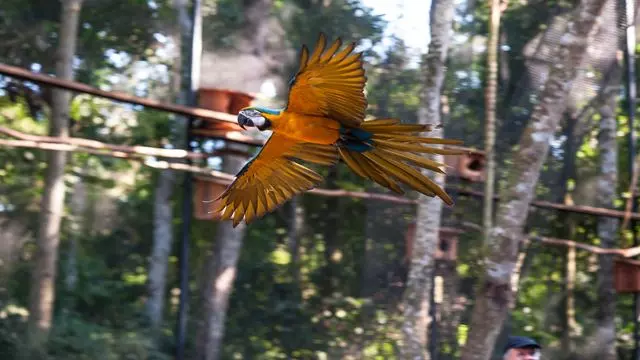
Wildlife watching in Iguazu brings you into the Atlantic Forest to look for toucans, coatis, monkeys, butterflies and other native species. Guided walks and nature outings around Iguazu National Park combine expert spotting with the lush rainforest scenery, making this destination special for its remarkable biodiversity and proximity to the falls.
Filters
17 results


Frequently asked questions
Wildlife observation excursions in Iguazu generally focus on exploring natural environments in search of birds, butterflies, small mammals, and other rainforest species while respecting their habitat. Depending on the service, the experience may include walks along trails, a guide, transportation, and time for observation and photography. Some activities may be combined with visits to other natural attractions, so check the inclusions carefully before booking. Wildlife is free-ranging, and sightings of a particular species cannot be guaranteed. Results depend on weather, time of day, season, and animal behavior. To choose wisely, review the itinerary, physical requirements, meeting point, included services, and cancellation policy. A good excursion prioritizes quiet observation and responsible tourism rather than contact with animals.
Wildlife observation excursions in Iguazu suit travelers interested in nature, photography, birds, and environmental interpretation. Families, couples, and visitors who prefer a calm pace may also enjoy them, provided they can walk and remain outdoors for the scheduled period. Difficulty and duration vary by itinerary: some options are short, while others take several hours or part of a day. There is no single duration for every excursion, so read the service description carefully. Before booking, ask about walking distance, terrain, restroom availability, breaks, and whether transportation is included. If you are traveling with children, older adults, or someone with reduced mobility, confirm accessibility in advance. Comfortable pacing and realistic expectations make the experience more enjoyable.
There is no single best season for wildlife observation excursions in Iguazu. The rainforest is active throughout the year, but conditions change with the seasons. Heat, humidity, and rainfall can affect comfort, trail conditions, and animal behavior. Dry weather does not guarantee more sightings, while rain is a natural part of the ecosystem. Time of day also matters because many species are more active during specific periods, depending on the itinerary. Before traveling, check the forecast and current trail conditions, and keep some flexibility in your plans. If you are especially interested in birds or photography, ask which departure times are most suitable. The best time is the season that matches your interests, schedule, and comfort with tropical weather.
To choose a wildlife observation excursion in Iguazu, first decide what interests you most: birds, butterflies, mammals, scenery, or a general rainforest experience. Then compare the route, difficulty, duration, and group size when this information is available. Check whether guiding, transportation, admission fees, meals, or equipment are included, since services vary between options. You should also review the meeting point, activity language, age restrictions, and weather conditions. Prefer excursions that keep a respectful distance from animals, prohibit feeding, and support conservation. Promotional photographs do not guarantee sightings. A clear description, responsible operating practices, and realistic expectations are more reliable criteria than a promise to see a particular species.
For a wildlife observation excursion in Iguazu, bring light, comfortable clothing, closed shoes with good grip, and a waterproof layer, especially when rain is possible. Water, sunscreen, insect repellent, a hat, and a small backpack can also be useful. If photography is important to you, protect your camera or phone from humidity and carry an extra battery, but avoid using flash near animals. Stay on marked trails, follow the guide’s instructions, and keep quiet when appropriate. Never feed or touch wildlife, and do not remove plants or natural objects. Before departure, confirm what the excursion includes, whether adverse weather can cause changes, and whether there are medical or accessibility recommendations. Patience is essential because sightings are unpredictable.