
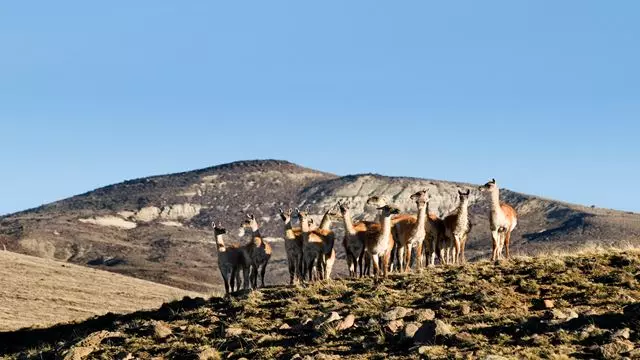
Wildlife watching in El Calafate brings you close to guanacos, Andean condors, foxes and native birds across Patagonia’s open steppe and shores. Expect guided outings around Lago Argentino, wetlands and scenic viewpoints, with the best chances to observe animals at dawn or sunset. The vast landscapes and low-impact approach make every sighting feel truly wild.
Filters
19 results







Frequently asked questions
Wildlife Watching excursions in El Calafate usually combine travel through natural environments with opportunities to observe birds and other animals in the wild, while respecting their distance and behavior. Depending on the experience, the itinerary may take place in steppe landscapes, lakeshores, wetlands, or protected areas, and may involve walking, transportation, or both. Some activities focus on photography and landscape interpretation, while others include guidance from specialists. The wildlife you see depends on the season, weather, time of day, and natural conditions, so sightings cannot be guaranteed. Before booking, check the route, walking requirements, inclusions, group size, meeting point, and cancellation or departure policies.
Wildlife Watching excursions in El Calafate can suit solo travelers, couples, families, and anyone interested in nature, birds, or photography. Suitability depends on mobility, tolerance for cold, transfer time, and the amount of walking involved. Previous experience is not usually required, but you should read the activity’s difficulty information and ask whether there are restrictions for children, older travelers, or guests with reduced mobility. Duration varies by itinerary: an outing may be relatively short or last several hours, including transportation and observation stops. Exact schedules depend on the selected excursion, so check the service description before booking. If you have health or accessibility concerns, contact the provider in advance.
The best time for Wildlife Watching excursions in El Calafate depends on which animals you hope to see and what type of landscape experience you prefer. Warmer months generally provide longer daylight and more comfortable conditions for outdoor activities, although Patagonian weather can change quickly. Colder months offer a different atmosphere, with shorter days and more demanding temperatures. The presence and activity of birds and mammals vary throughout the year, and some species may be easier to spot during particular periods. There is no single best date for every traveler. Check the excursion’s operating season, departure time, weather policy, and cancellation conditions before booking.
To choose Wildlife Watching excursions in El Calafate, first identify your main goal: birdwatching, looking for varied fauna, photography, or learning about a natural environment. Then compare duration, distance from your accommodation, transportation, walking requirements, and difficulty level. Confirm whether a guide, transfers, entrance fees, meals, or equipment are included, as these services can differ between activities. Information about group size, available languages, and departure times may also affect your decision. Select an excursion with realistic expectations: wildlife is free-ranging, and sightings cannot be guaranteed. It is also worth checking what happens if weather conditions prevent the route from operating and whether special requirements apply.
For Wildlife Watching excursions in El Calafate, bring comfortable warm layers, suitable walking shoes, and protection from wind, sun, and possible rain. Water, snacks, binoculars, and a camera may also be useful, provided they do not encourage you to approach or disturb the animals. Check whether equipment is supplied or must be brought independently. Avoid strong fragrances, never feed wildlife, and follow the guide’s instructions to maintain a safe distance. Since weather conditions can change, review the forecast and confirm the meeting point before departure. If you take medication or have dietary requirements, inform the service in advance. Keep your belongings secure and respect the natural environment throughout the excursion.