
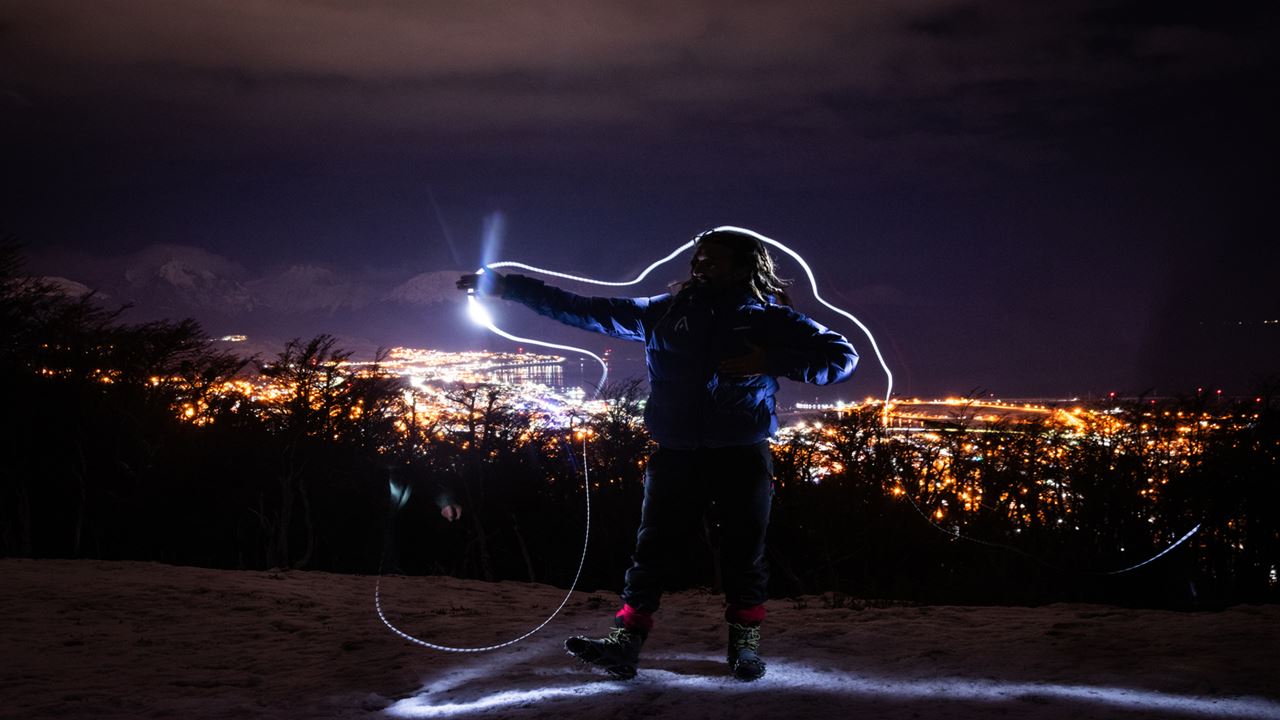
Stargazing in Ushuaia invites you to discover the southern sky far from city lights, with guided nighttime outings through Tierra del Fuego. Look for constellations, planets, and distant stars while enjoying the unique atmosphere of the world’s southernmost city.
Filters
1 results
Frequently asked questions
Stargazing excursions in Ushuaia generally take travelers away from city lights to enjoy views of the southern sky at night. Depending on the itinerary, the experience may include transportation, a guide, a short walk, and explanations about constellations, stars, or planets that can be seen from the area. Some activities may combine stargazing with food or time in an indoor setting, but inclusions vary by operator and departure date. Before booking, check whether pickup from your accommodation is included, how much walking is involved, and whether the activity takes place entirely outdoors. It is also useful to review the weather policy, because cloud cover, wind, and precipitation can affect visibility and may change the itinerary or prevent the observation.
Stargazing excursions in Ushuaia suit travelers who enjoy nature, astronomy, and peaceful outdoor activities rather than intense adventure. They can work well for couples, families, and solo visitors, provided everyone is comfortable spending time outside at night. Whether an excursion is suitable for children depends on the return time, temperature, and amount of walking, so check the minimum age stated for each option. Travelers with reduced mobility should ask about terrain, vehicle access, and whether a shorter route is possible. If you are sensitive to cold or prefer an early bedtime, choose an itinerary that matches your pace. Always review the meeting point, physical requirements, and weather conditions before booking this type of excursion in Ushuaia.
The length of stargazing excursions in Ushuaia depends on the itinerary. Some are relatively short outings, while others include transportation, walking, or additional activities. The starting time can also change because it is linked to sunset and the season. There is no single best season for every traveler. During periods with longer nights, there is more darkness for observation, while other times of year may offer a more convenient schedule for families or visitors who prefer returning earlier. Visibility depends mainly on cloud cover, wind, rain, and the darkness of the location, not only on the calendar. Before booking, confirm the total duration, departure and return times, walking requirements, and the operator’s policy if weather conditions prevent stargazing in Ushuaia.
To choose among stargazing excursions in Ushuaia, first identify the main focus of each option: guided observation, night photography, walking, or a combination with another experience. Then compare inclusions, meeting point, transportation, duration, group size, and physical demands. If you are unfamiliar with astronomy, a guide’s explanations can add value; if you prefer a peaceful evening, a smaller group or a simpler itinerary may be better. Check the available language, age restrictions, and cancellation or rescheduling policy for bad weather. Do not decide only from the title or photos. Read the full itinerary and make sure the schedule fits your other plans in Ushuaia, especially because these activities take place at night and may finish later than daytime tours.
For stargazing excursions in Ushuaia, bring several warm clothing layers, closed comfortable shoes, and protection against wind or rain. Even when part of the program takes place indoors, observation happens at night and temperatures can feel particularly low. A flashlight can be useful; if possible, use a red light when recommended by the guide, since it helps preserve night vision. If you plan to take photographs, ask in advance whether tripods are allowed and what equipment is practical for the itinerary. Carry water and any personal medication you may need. Check the forecast, confirm the meeting point, and remain flexible: weather conditions can change the experience. Avoid relying only on a phone for light or navigation unless the operator advises it.