
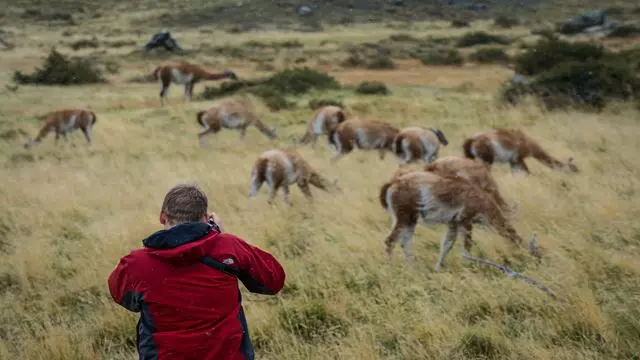
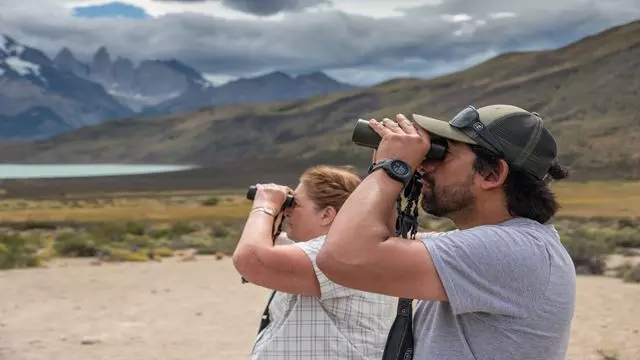
Wildlife watching in Torres del Paine brings you close to guanacos, Andean condors and, with luck, elusive pumas across the park’s forests, lakes and windswept steppe. Multi-day packages combine guided outings, hotel stays and transfers, with the park’s dramatic landscapes creating an exceptional setting for spotting native wildlife.
Filters
Tailor-made trips
Start planning
Design your own tailor-made trip
Tell our local experts how you dream your trip and we'll craft a 100% personalized itinerary — no templates, just your journey.
Frequently asked questions
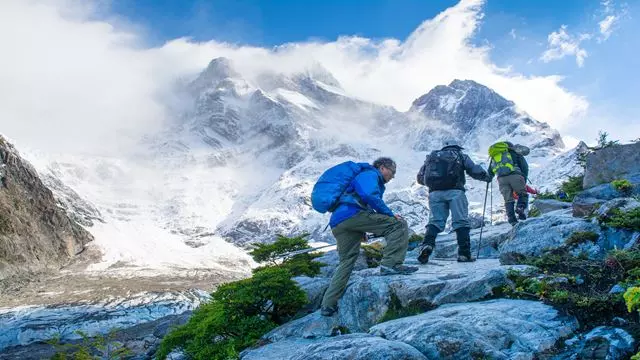
Wildlife Observation Tour Packages in Torres del Paine often combine accommodation, transfers, and excursions, although the exact services depend on the selected itinerary. Activities may include drives along park roads, visits to viewpoints, boat trips, hikes of different difficulty levels, or guided outings to look for animals in their natural habitat. Depending on the area, season, and daily conditions, travelers may see birds, guanacos, and other native species, but sightings are never guaranteed. Before booking, review the full itinerary and check which meals, park fees, transfers, and excursions are included. It is also useful to confirm guide language, group size, free time, accommodation location, and whether the package starts or ends at a particular meeting point.
These Wildlife Observation Tour Packages in Torres del Paine may suit nature lovers, photography enthusiasts, and travelers who prefer exploring the park through organized activities. You do not need to be a wildlife expert, but you should be comfortable spending time outdoors and accepting walks, vehicle journeys, and possible schedule changes caused by weather. Duration varies: some options are short, while others are multi-day programs combining accommodation and excursions. There is no single duration for every package. When comparing alternatives, look at the number of nights, the actual time devoted to wildlife observation, walking difficulty, and the daily pace. If you are traveling with children, older adults, or anyone with reduced mobility, confirm accessibility and the physical requirements of each activity before booking.
The best time for a Wildlife Observation Tour Package in Torres del Paine depends on your priorities, availability, and tolerance for changing weather. During the milder months, there are generally more daylight hours for outdoor activities, although demand for accommodation and excursions may also be higher. In the colder season, the landscape and travel experience change, and some services may have limited availability or be affected by snow and ice. Wildlife can be observed at different times of year, but no package can guarantee particular species or a specific number of sightings. Before choosing dates, ask which excursions operate during the season, whether the itinerary is adapted to current conditions, what clothing is recommended, and what happens if weather affects an activity.
To choose the right Wildlife Observation Tour Package in Torres del Paine, first decide what matters most to you: hiking, scenic drives, boating, photography, comfort, or flexibility. Then compare the day-by-day itinerary, accommodation location, transfer times, and physical demands. Check whether a guide accompanies all outings, which language is available, and whether the group size is specified. It is also important to separate included services from optional ones, such as meals, entrance fees, equipment, or transfers. Read booking, cancellation, and amendment conditions carefully, especially because weather can affect activities. The best package should match your pace, budget, and realistic expectations. Wildlife observation requires patience, and no itinerary can promise encounters with particular animals or guarantee successful sightings every day.
For a Wildlife Observation Tour Package in Torres del Paine, pack clothing in layers, a waterproof outer layer, and comfortable footwear with good support. Wind and temperature changes can occur on the same day, so it is better not to rely on one heavy garment. Bring sun protection, a hat, gloves, water, personal medication, and a small daypack. If you take a camera, protect it from moisture and knocks. Binoculars can be useful, but never approach, feed, or disturb wildlife; follow the guide’s instructions and the park rules. Stay on marked paths and carry your waste out. Before traveling, confirm baggage limits, meeting points, connectivity, entry requirements, and which equipment is supplied by the package. A small amount of flexibility is valuable when weather changes the schedule.