Frequently asked questions
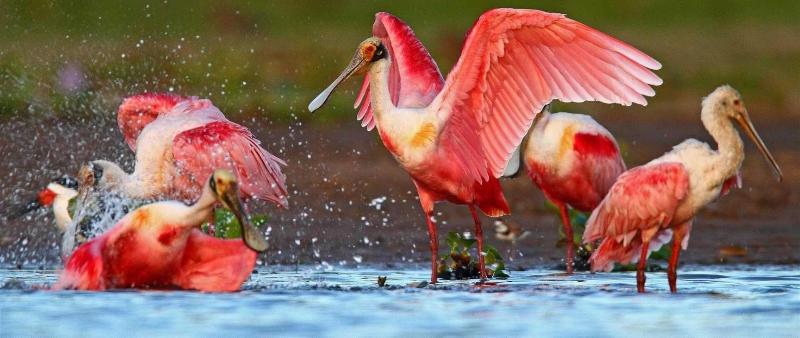
The best time to travel to Cuiabá and explore the Pantanal is usually between June and October, during the dry season. During these months, there is less rainfall, the roads are more accessible, and the chances of spotting animals like caimans, capybaras, monkeys, toucans, and jaguars increase. Between November and March, the weather is wetter and heavy rains are possible, although the landscape becomes lush and green and the lagoons fill up. Before booking your trip, check the weather forecast and choose Pantanal excursions with local guides and specialized tour operators.
The most practical way to reach Cuiabá is by plane, through Marechal Rondon International Airport, located in the nearby city of Várzea Grande. The airport receives domestic flights from destinations such as São Paulo, Brasília, Rio de Janeiro, and other Brazilian capitals. International flights typically connect through one of these major airports. It is also possible to reach Cuiabá by long-distance bus from various regions of Brazil, although the journey can be lengthy. For visits to the Pantanal or Chapada dos Guimarães, it is advisable to arrange ground transportation and excursions in advance.
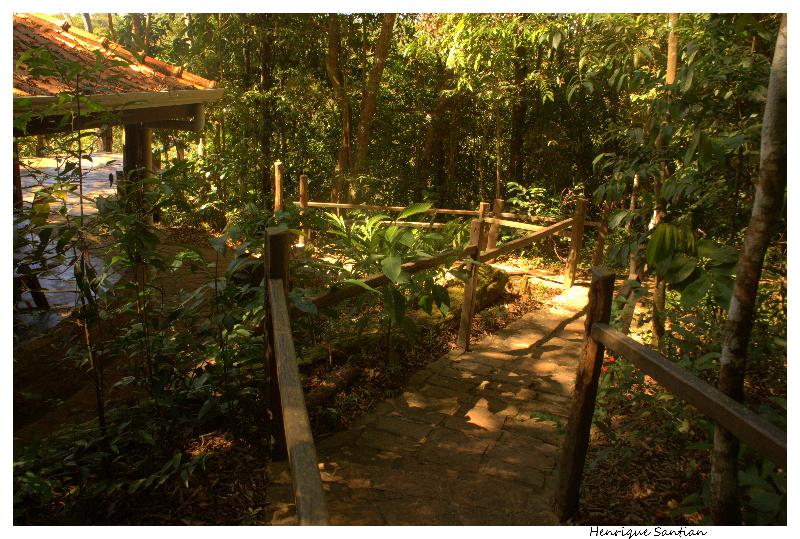
Cuiabá is an excellent base for exploring some of Mato Grosso's main natural attractions. The Pantanal is the most popular excursion, offering photo safaris, boat trips, ecological hikes, and wildlife viewing. About an hour from the city is Chapada dos Guimarães National Park, famous for its viewpoints, rock formations, waterfalls, and trails. In Cuiabá, you can also visit the historic center, the Church of Nossa Senhora do Rosário e São Benedito, the Morro da Caixa d’Água Velha Museum, and markets featuring regional cuisine.
Cuiabá can be enjoyed safely if you take the usual precautions you would for any tourist destination. It's recommended to stay in well-located areas, avoid walking alone in secluded spots at night, and use official taxis or ride-hailing apps. Keep your documents and valuables in a safe place, especially in crowded areas. For excursions to the Pantanal and Chapada dos Guimarães, hire registered agencies and professional guides. It's also important to bring sunscreen, insect repellent, water, comfortable shoes, and light clothing, as Cuiabá's climate is usually hot.
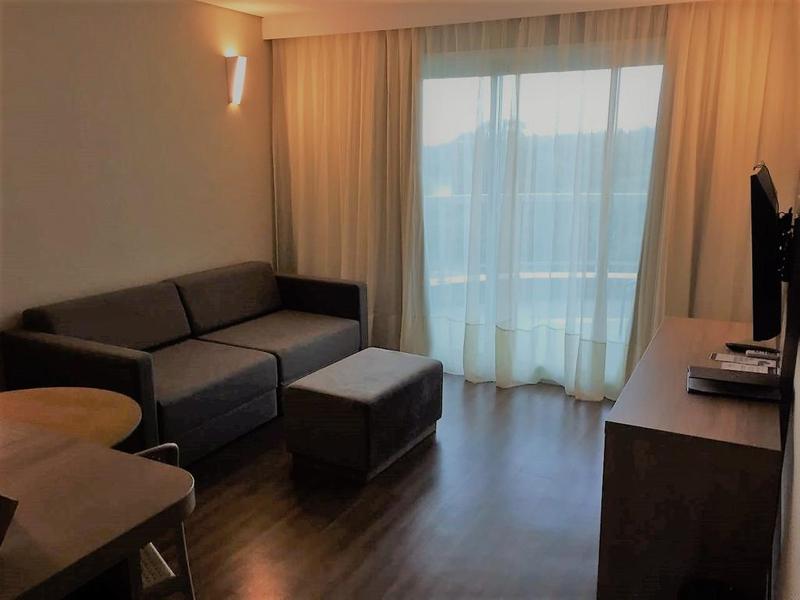
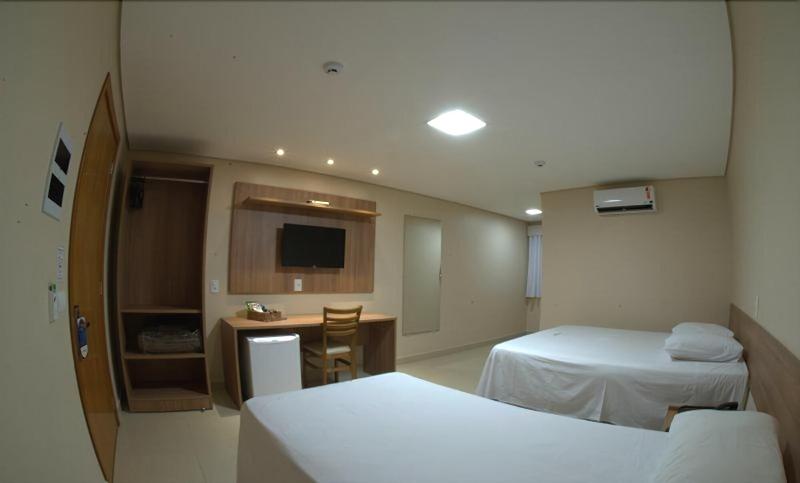
For a comfortable stay, many travelers choose hotels in the Goiabeiras, Centro Norte, or near Avenida Historiador Rubens de Mendonça areas, where there are restaurants, shops, and services. If your main goal is to visit the Pantanal, you can also combine a hotel in Cuiabá with a rural inn or eco-lodge in the Pantanal region. During your trip, try typical Mato Grosso dishes such as mojica de pintado (a type of fish stew), grilled pacu (a type of fish), banana farofa (toasted cassava flour), and dishes made with pequi (a type of fruit). Regional markets and restaurants are excellent places to discover the local cuisine.