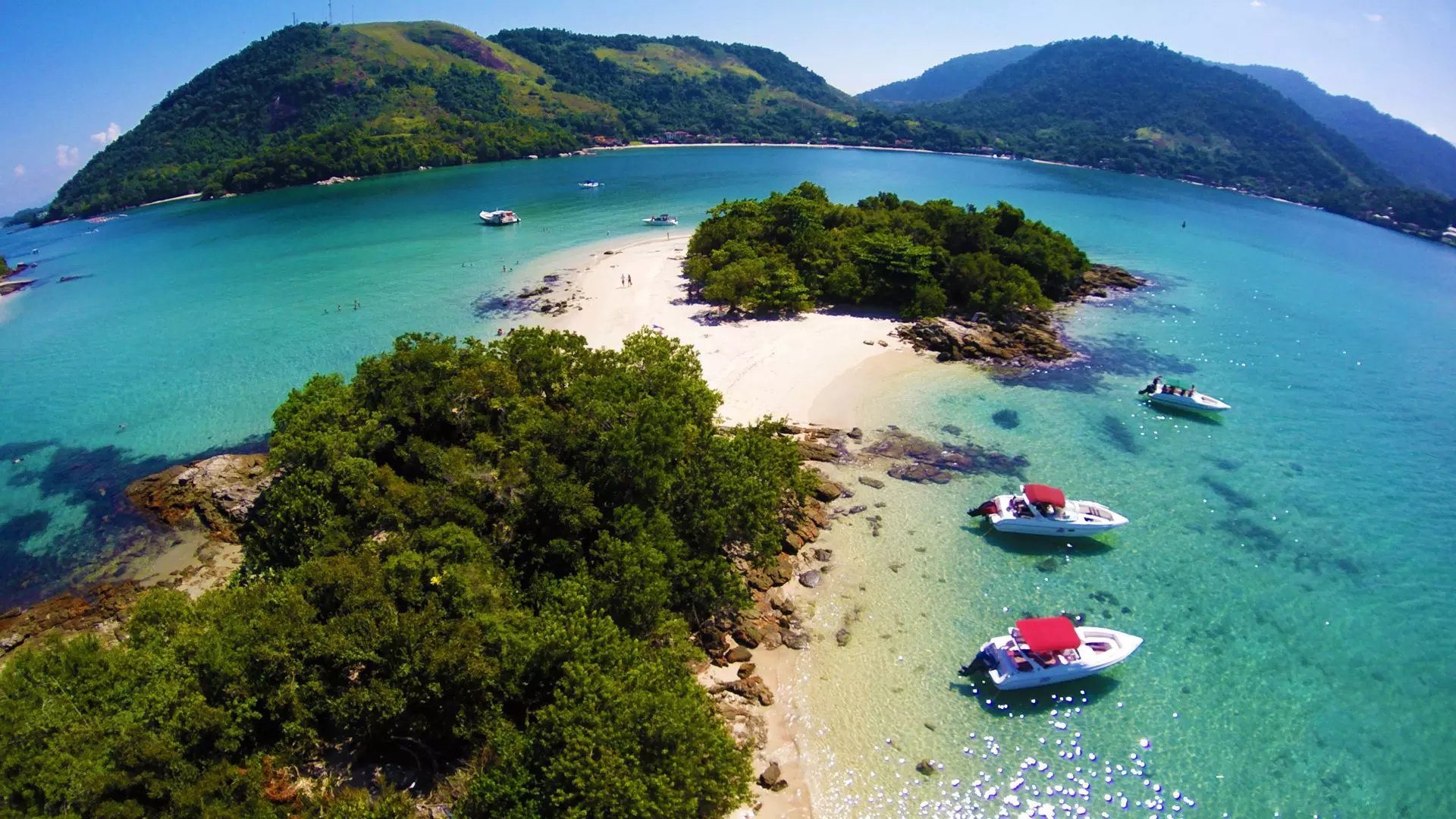
Ilha Grande is an island with forest full of life and virgin beaches with the finest white sand, turquoise seas and breathtaking landscapes. it is a place you can not miss to visit at least once.
Ilha Grande offers a wide variety of routes for trekking and boat trips that mostly depart from Vila do Abraão, the main town and entry point of the island located north of it.
In all the places where you can stay there are itineraries of nautical tours to be carried out in small trawlers, speedboats, taxi-boats or small, medium and large schooners.
There is a lot to do at the island
Cachoeira da Feiticeira is a spectacular beauty and exalts admiration to those who visit it, it is certainly one of the best tour in the whole Ilha Grande and the right itinerary of those who want to make the most of everything the island has to offer. Trail to Feiticeira Waterfall is an average course with climbs and descents through forest, stretches with closed and sparse vegetation. Upon arrival, spectacle of the waterfall of approximately 15 meters in height compensates effort and certifies the title of being the most visited of the waterfalls of Ilha Grande. Destination also for adventurers who rappel on Ilha Grande. The stone slide and the natural pool of the Feiticeira complement the spectacle of nature.
Peaks and Lookouts of Ilha Grande, Without a doubt, the peaks and lookouts of Ilha Grande are impressive, and its geological formation is the same as the mountains and hills of Rio de Janeiro. The geological substrate is composed basically of igneous rocks true altars that give us spectacular views of this ecological paradise. Its culminating point is the Pico da Pedra d'Água with 1031 MASL, followed by the Pico do Papagaio with 982 MASL. When walking along the tracks of Ilha Grande we often come across peaks and belvederes that give us breathtaking views of coves, beaches and mountains covered by the Atlantic Forest.
Lighthouse of Castelhanos da Ilha Grande is one of the oldest (and old-fashioned) lighthouses on the Brazilian coast. Built in the 19th century, inaugurated in 1900, it retains its original design of French technique, with purely mechanical mechanisms and glass lenses. It is located at the extreme tip of Ilha Grande, east side. The place is extreme natural beauty, historical wealth and conveys a very great Peace.
Lagoa Azul is a natural pool with sandy bottom, some rocks and predominantly blue water, located between two islets in the important historical region of Santana. The site is a geographical cluster of the Island of the Apes, The region is beautiful with places worthy of being called paradise. It is very close to other sensational beaches, Grumixama, Whale, South and North Parish.
Blue Lagoon, a tourist nickname inspired by the classic 80's movie with actress Brooke Shields, is a tourist spot of the most popular on the Big Island. The boats are anchored and visitors can descend to swim, float with "noodles" (foam floats) provided by crews, snorkel or feed "sargentinhos" fish (scientific name abdul fdef) with bread crumbs, already addicted to being fed by visitors. In the high summer, the region is full of boats, sailboats, schooners.
Lagoa Verde is a quiet and one of the highlights of the northwest coast of Ilha Grande, very close to the Araçatiba Cove. Lagoa Verde is also a tourist name, as Lagoa Azul, the geographical name is Ilha da Longa. With tide at normal or full level is separated from Ilha Grande, when the tide is very low is united by narrow strip of sand and rocks. It is one of the few places on the planet where greenish corals are found, hence the name. Marine fauna is a spectacle apart by shallow depth of its transparent and calm waters.
The boats are anchored and visitors can descend to swim, float with "noodles" (foam floats) provided by the crews. The place is perfect for snorkeling, relaxing, swimming and diving with small fish ("Sargentinhos" - scientific name Abudefduf) waiting for bread and food crumbs.
Island of Jorge Grego
Jorge Grego is an islet on the southeast coast of Ilha Grande, in open sea, facing the cove of Lopes Mendes and Dois Rios. It has about 1 km ² area, is deserted, without drinking water and low vegetation. The name Jorge Grego originates in the legend of a corsair who wrecked in surroundings and was sheltered in the island by many years. How did he survive on an inhospitable islet? Jorge Grego Island is one of the best dive sites in Ilha Grande. Oceanic underwater environment is rich in corals, fish, turtles, octopuses, squid, shrimp, siris, seahorses and dolphins that usually accompany vessels charming the passengers. In the air, the seagulls and atobás inhabitants of the island, are always present.
What To Do In Rio De Janeiro?
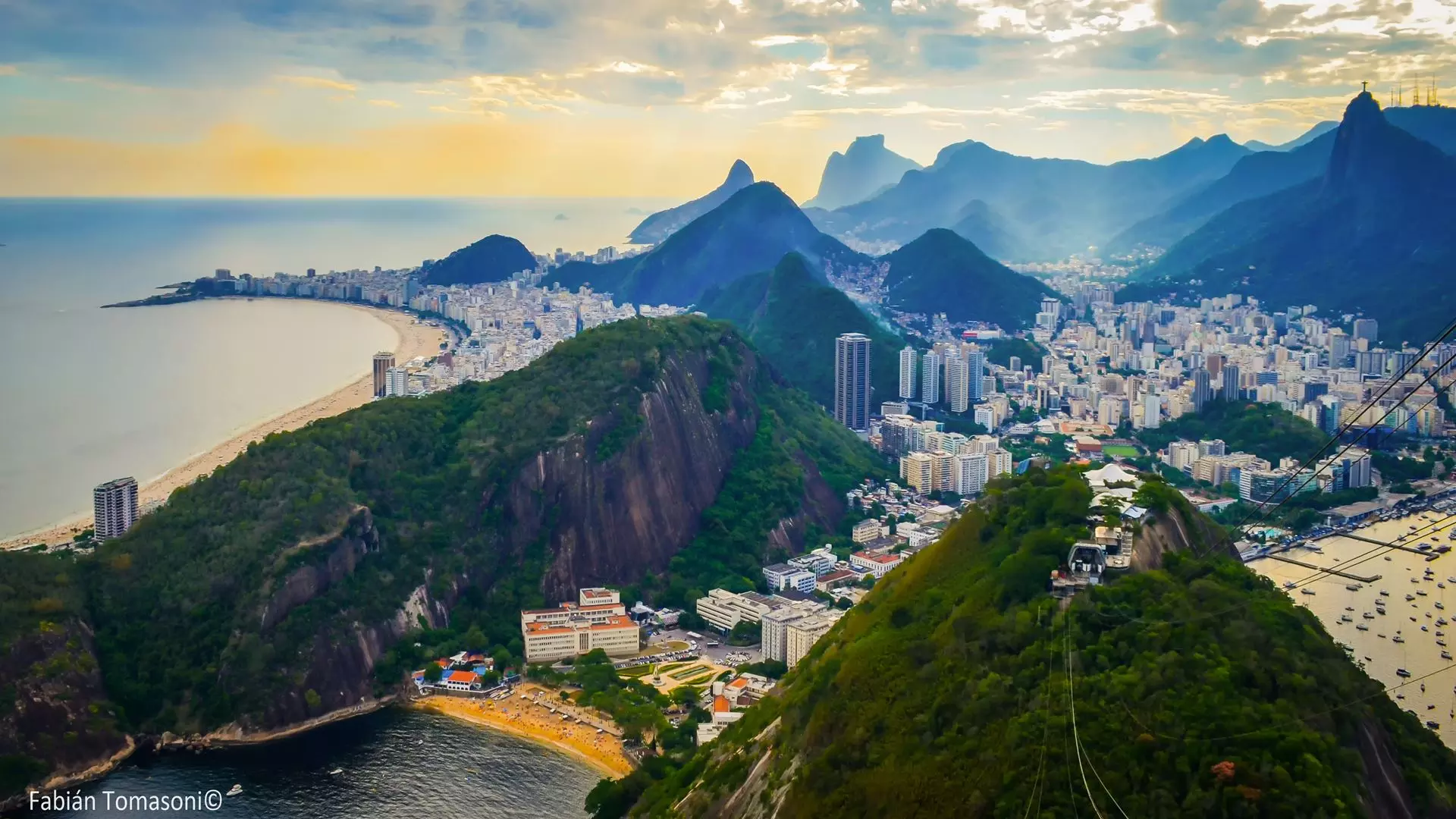
"To laugh, I Rio de Janeiro." That is one of the anonymous phrases that the cariocas repeat the most to refer to their city, which has been baptized over time as the Cidade Maravilhosa.
Of the 365 days of each year, there are 40 that belong to Rio: those of Carnival, when an event closer to the pagan festival than to the Christian one monopolizes the eyes of the world and converts the city at the center of the global party. But the nickname of Maravilhosa does not have Rio for the exception of its annual rumba but for what it can offer all year round, as its tourist wonders are gigantic cultural expressions that make all of Brazil proud and make it one of the great tourist destinations of the planet. That is why we have provided seven places that every tourist should go to when visiting Rio de Janeiro to at least have a relatively broad panorama of what it is to experience the wonderful city from the inside. In the case of going less than four days, we recommend several of the tours that allow you to get to know it completely. Get to know them HERE
Sugarloaf
The snout of Pan de Azúcar is one of the paradigms of Rio de Janeiro and all of Brazil. To get there, there is a glass cable car called "bondinho del Pan de Azúcar", which is ready to travel 1,400 meters between the hills of Urca and Babylon for five minutes. This cable car has capacity for 65 people and is one of the rides that nobody can miss in the city.
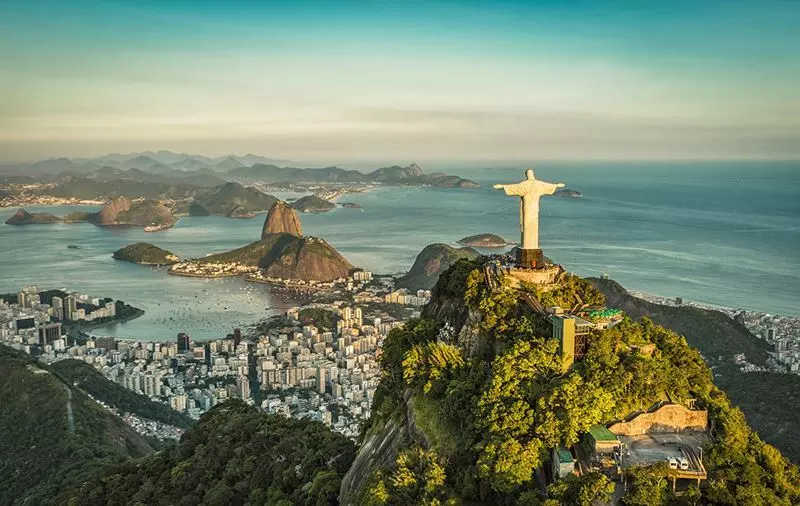
Christ Redeemer
This 38-meter-tall statue , already over 700 above sea level, which represents Jesus blessing the wonderful city, is the most impressive emblem of the city. It has been visited by emblematic characters from history such as & nbsp; John Paul II, Albert Einstein, Diana of Wales or Michael Jackson; and its fame reaches all levels of popular culture.
Maracanã Stadium
History and soccer lovers will love visiting the most important stadium in Brazil, the same stadium that housed the tragedy of 1950, when the locals lost the final before Uruguay and began a curse that the world knew as the Maracanazo. It also hosted the 2014 World Cup final between Argentina and Germany, and has been the scene of concerts by artists such as Paul McCartney, Frank Sinatra, Queen or Madonna. It is located in the Maracanã neighborhood and can be visited every day between 9:00 am and 5:00 pm.
Municipal Theater of Rio de Janeiro
This is a true journey through time. And it is that the theater was inaugurated in 1909 and preserves the impressive architecture of the time. It is located in the center of the city and is one of the places that all lovers of art and history should go. Until 1930 only European works were presented, but since then there are a large number of Local talent that you can continue to enjoy every week.
Copacabana Beach
It is the most important beach in Brazil , and although its golden age was in the 40s and 50s of the 20th century, its Fame has only grown. No beach has so many hotels, bars and places for fun nearby as its heritage bars, where everyone who visits Rio cannot miss. Not only is it a beach with perfect waters and sands, but it is also the ideal place for those who want to have fun playing any of the varieties of football or simply go to eat fresh fish of the highest quality, as it is also the quintessential beach of the fishermen of Rio.

Ipanema Beach
Located very close to that of Copacabana, Ipanema Beach is a beauty surrounded by luxury and good taste . In fact, on its streets are the most expensive buildings in all of Latin America. Since 1960, musical movements such as Bossa nova began to appear in Ipanema, which unleashed customs such as the use of thongs and topless on their beaches.
Botanical Garden of Rio de Janeiro
If you are in Rio de Janeiro you cannot miss seeing its botanical garden. There are 40,000 plants of some 6,725 different species , as it is one of the largest flora collections on the entire planet . & Nbsp; It was created in 1808 by the Portuguese royal family, and throughout its history was visited by personalities aware of its importance such as Albert Einstein or Queen Elizabeth of England. Since 1991 it has been named Biosphere Reserve by Unesco . Rio de Janeiro is one of the most important cities in all of Latin America, and visiting it is like entering not another city but an entire parallel world, where everything is football, heat, beach, laughter, partying and cultural impact. & Nbsp;
What To Do In Paraty - Brazil

Six Tourist Destinations To Understand And Experience South America