
La Cumbrecita is a mountain village in the Calamuchita Valley, in the Córdoba mountains , with a unique feature that defines the trip: cars are not allowed in the town center. This changes how you arrive, how you explore, and how you manage your time, and it also explains why the entire town center is explored on foot , through pine forests and along streams .
This guide outlines what you should know before you go: how to get there and what to do with your car, how many days to stay, what to see in the historic center, which trek to choose based on your skill level and time, where to eat, and when to go. To see all the guided tours without overspending, you can choose from the best excursions in La Cumbrecita .
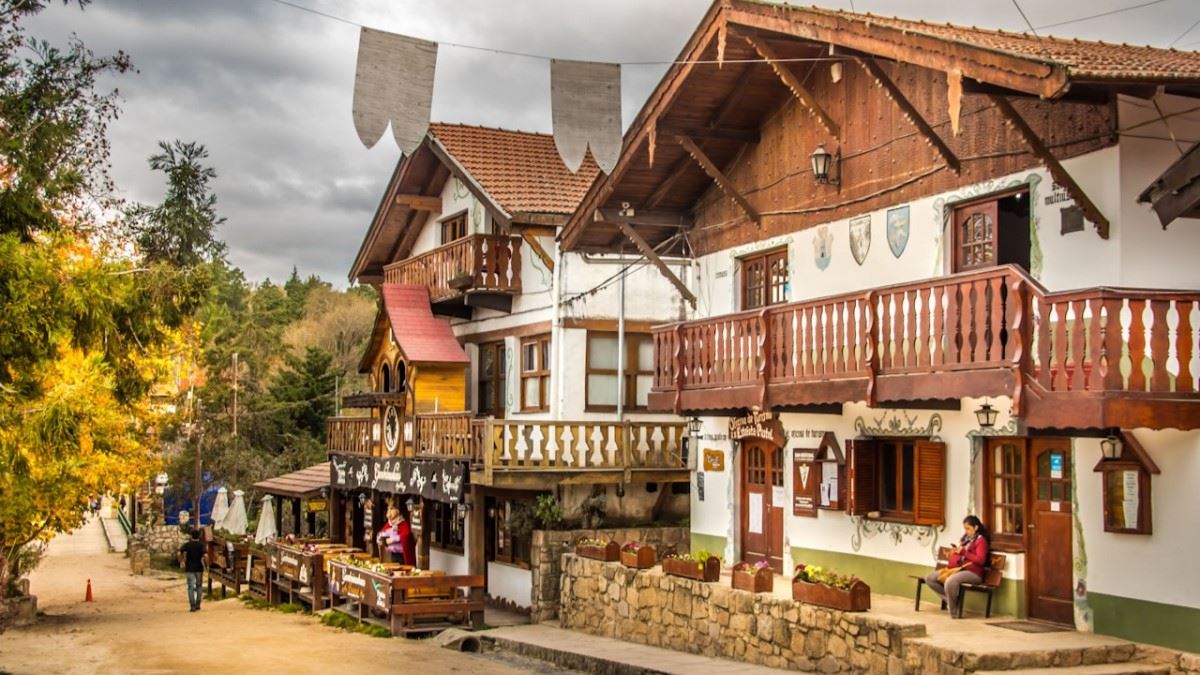
A getaway to La Cumbrecita
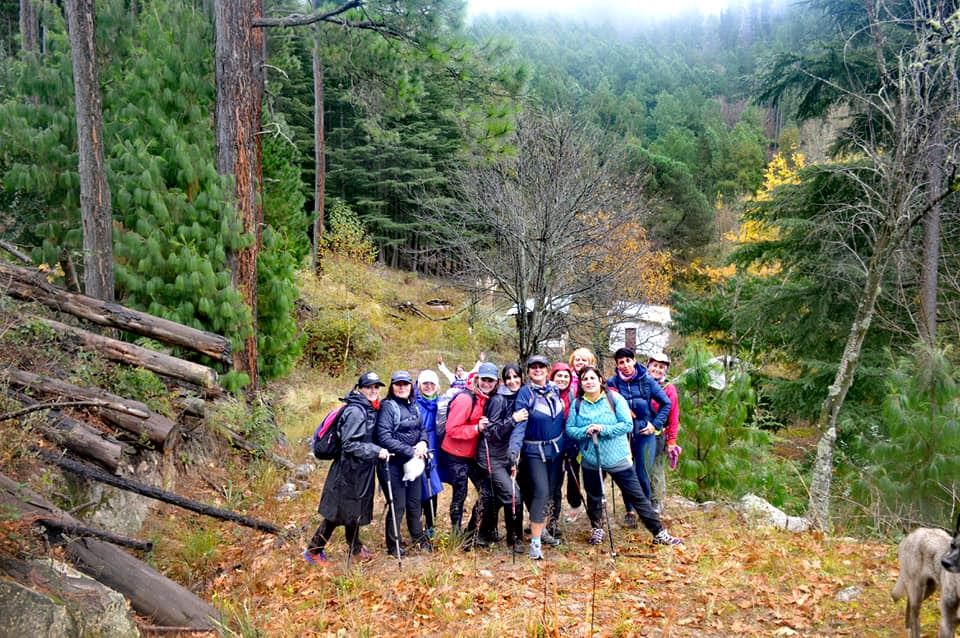
Two or three days are enough to explore the historic center, take one or two walks, and enjoy a good meal . The center is easily walkable, and the hiking trails start from the bridge at the entrance to the town.
For a first-timer, it's advisable to combine the historic center with a moderate hike, such as to Abanico Waterfall or the ascent of Cerro Wank. More challenging options, like La Lagunita or Cerro Champaquí, require a full day and good preparation.
| Where | Calamuchita Valley, Córdoba |
| Distance from Cordoba city | About 120 km on paved roads |
| Approximate height | Approximately 1,450 m [CHECK] |
| Cars | They cannot enter the downtown area; there is parking before the entrance |
| Recommended number of days | 2 or 3 |
| Starting point for excursions | Bridge leading into the town |
| Highest peak in the area | Cerro Champaquí, at 2,790 m, the highest point in Córdoba |
What to see in the historic center of La Cumbrecita
The historic center can be explored in an hour and a half and has more history than it seems. Its origins lie with Helmut Cabjolsky, a German engineer sent to manage Siemens in Argentina, who purchased approximately 500 hectares of the La Cumbrecita ranch. Initially a family retreat, it was later developed into a residential area envisioned as a tourist town.
Getting there was difficult: train to Alta Gracia, car to Los Reartes, and 40 kilometers on horseback or mule. Around 1934, he built a house for his European relatives, which over the years became the current Hotel La Cumbrecita, and those relatives developed a nursery that gave rise to the pine forests that define the landscape today.
The Historic Quarter Walking Tour follows this route with a guide: it begins at the entrance bridge and passes by the Maibum (May Tree), the Town Bell and the former municipal building, the Chess Plaza, the Hotel La Cumbrecita, and the Pioneers' Plaza. It then continues along Calle Oscura (Dark Street), past the Castle and La Olla (The Pot), and up a cobblestone street to the Ecumenical Chapel, open to all faiths and built in 1967. The return journey is along Camino del Bosque (Forest Path), with a fountain on the descent. It lasts about 90 minutes and is easy, making it a good option to start your trip or for those who don't want to walk for hours.
Another fact to add to the tour: the mansion where Helmut's operates today was the studio of the founder's son, who designed the subdivision that is now known as the historic center, and the Helmut Promenade, which brings together local products, is in a bend of the river.
Trekking in La Cumbrecita: which excursion to choose according to the level
The trekking excursions depart from the bridge at the entrance to the town and share a common structure: a certified guide, insurance, and a shared starting point. The differences lie in the destination and the level of exertion. The duration listed for each excursion varies depending on the information you consult, so it's best to confirm it when booking.
| Excursion | Approximate duration | Level | What distinguishes it |
|---|---|---|---|
| Wildermann's return | Half day, from 4 to 6 hours | Half | Ascent to Cerro Wank and descent via the Wildbach stream |
| Nighttime underground trekking | From 4 to 6 hours | Half | A journey through an 80-meter cavern at night |
| Fan Waterfall | From 4 to 8 hours | Low to medium | Natural stew and lunch on the banks of a stream |
| Trekking Arroyo La Puente | From 4 to 6 hours | Half | A stream that disappears under a rock |
| Trekking to the Garay Pass | From 6 to 10 a.m. | Intermediate | Pampa de Achala and a place with a church and school |
| The Little Lagoon | Full-time | High | High-altitude lagoon at over 2,000 m |
| Cerro Champaquí | 14 h | High | The highest peak in Córdoba |
Cerro Wank and the Wildermann Return
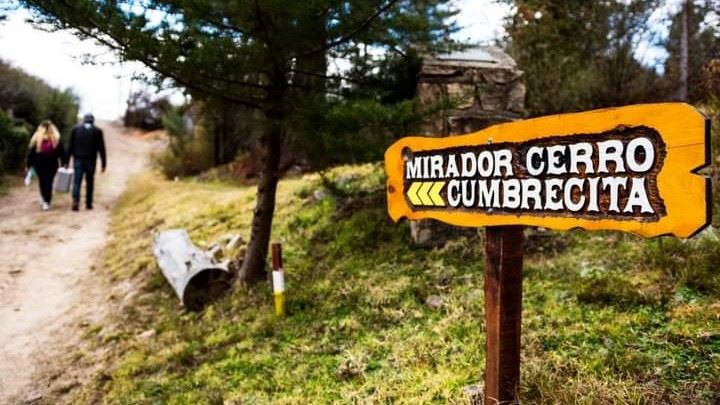
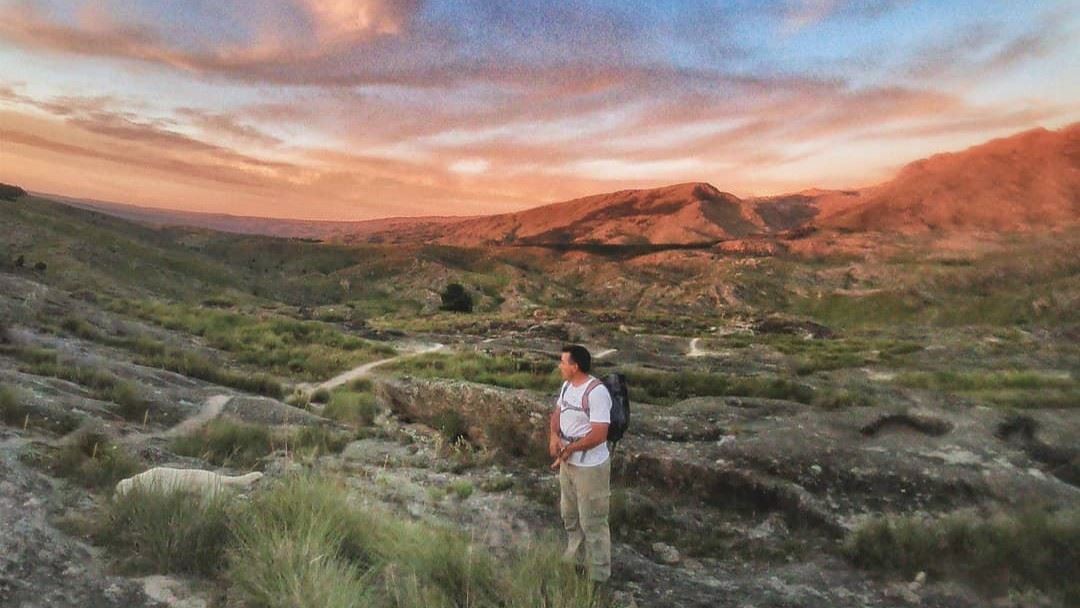
Cerro Wank is the town's classic viewpoint: it's a 260-meter climb from the historic center to a summit of around 1,620 meters [VERIFY], which takes approximately an hour and a half and offers a sweeping view of the mountains and pine forests. The Wildermann Loop combines this ascent with a descent along the Wildbach stream to the Wildermann crag, lunch in the woods, and a return along old trails to the historic center. It starts at 9:00 AM at the entrance bridge and finishes in the mid-afternoon. It's one of the best first hikes because the effort is concentrated on the climb, and the rest of the route is shaded and offers easy access to water.
Nighttime underground trekking
The nighttime underground trek uses the same hill, but in the afternoon: it ascends Cerro Wank, with its 260 meters of elevation gain, descends to the Wildbach stream, and, as night falls, enters a cavern for a guided 80-meter caving excursion. The total circuit is approximately 8 kilometers with 380 meters of elevation gain, and includes helmets and fixed ropes. It departs at 5:45 PM. The difference from the daytime hikes is that it combines physical exertion with an experience that relies on darkness rather than sight. It is advisable to bring a headlamp with spare batteries and footwear suitable for wet terrain; the minimum age is approximately 10 years old.

Fan Waterfall
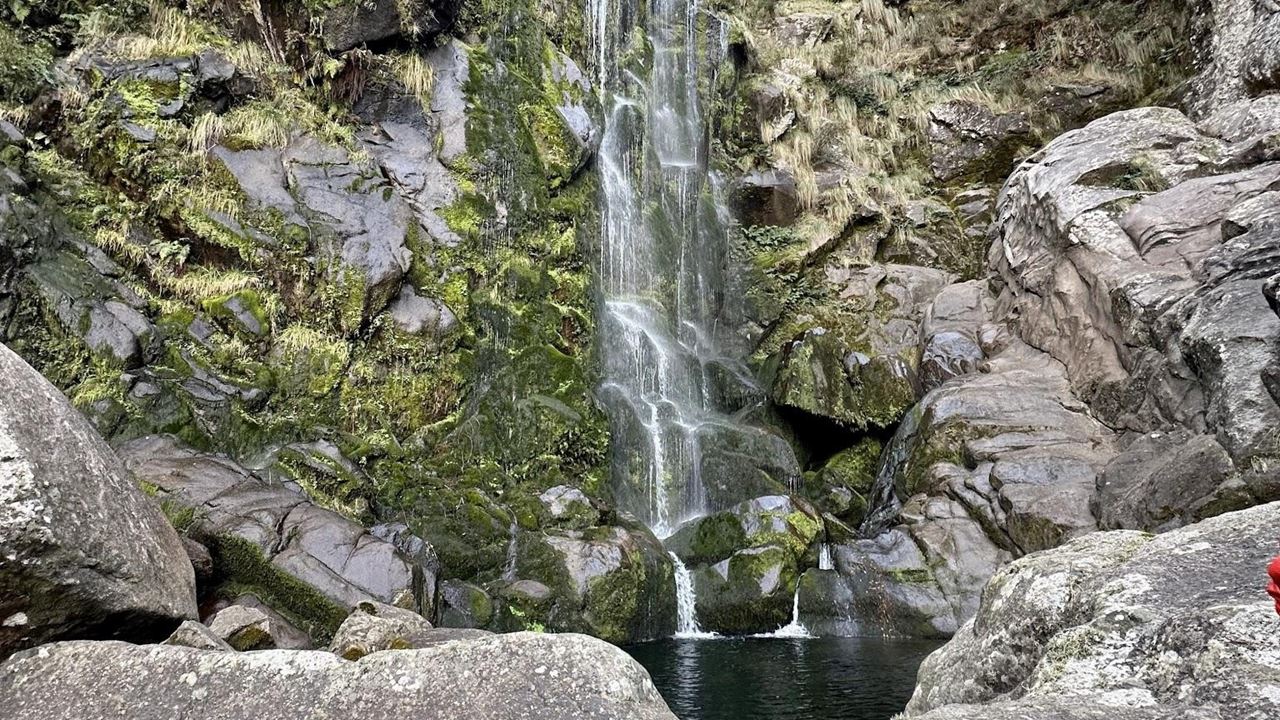
The Abanico Waterfall hike is ideal for those seeking a more leisurely walk and a refreshing dip. It begins at the entrance bridge, crosses the historic center to the north, and passes the Criollo Cemetery before continuing for about two and a half hours through mountain forests to a natural pool surrounded by pine trees. Lunch is served at the Martínez family's stand on the banks of the El Riachuelo stream, leaving free time to explore the stream. This is the easiest of the longer hikes, though a moderate level of fitness is required.
Trekking Arroyo La Puente
The trek to La Puente stream begins in La Pampita, at 1,420 meters, and continues south through the pine forest that accompanies Las Mojarras stream. It then emerges onto high-altitude plains with open views of the mountains and reaches, further upstream, the Los Corrales area, where the water disappears beneath a rocky canyon and reappears a few meters downstream. Lunch is served at the foot of the canyon, among willow trees. It's a good option for those who prefer high-altitude scenery without a mountain peak in the way.
Garay Pass
The trek to Paso de Garay is a long journey that ascends Cerro Wank and descends north through the Pampa de Achala, passing high-altitude streams, to a site with a church, an archway with a bell, a small schoolhouse, a medical clinic, and ruins. It's a route that combines mountain scenery with glimpses of daily life in an isolated location, and the return trip follows the same path. It lasts between 6 and 10 hours, depending on the source, is of intermediate difficulty, and is not recommended for young children.
The Little Lagoon
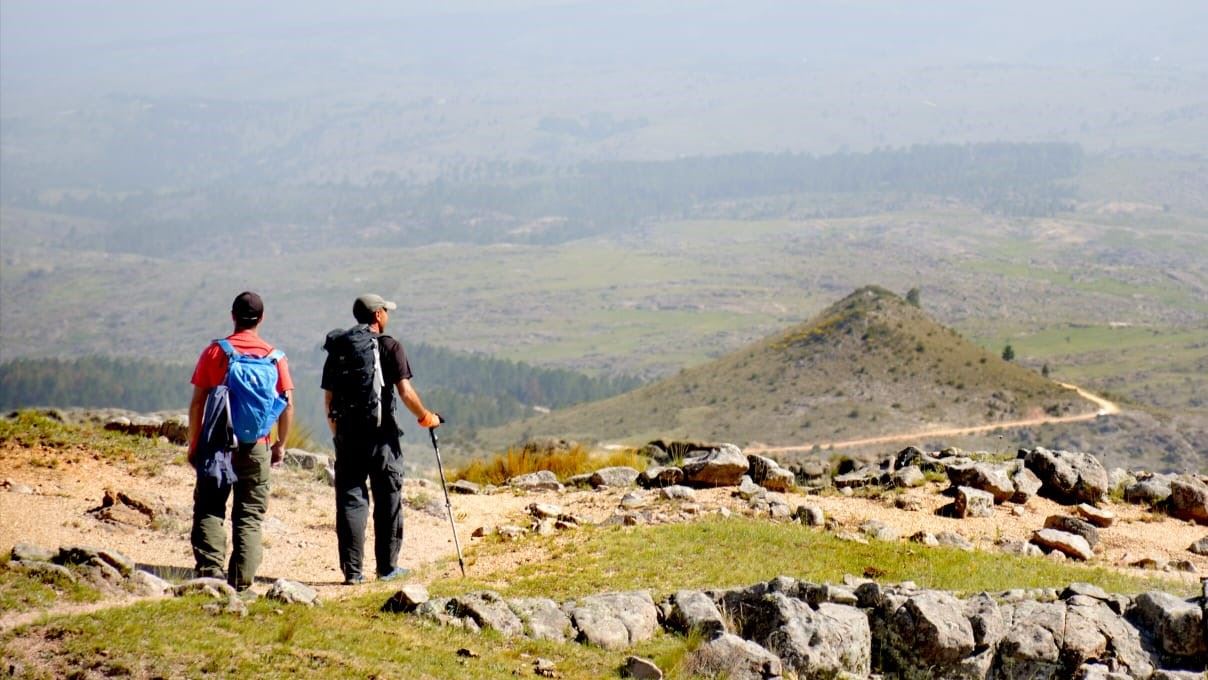
The excursion to La Lagunita is a full-day hike of considerable difficulty: it departs at 7:30 a.m., ascends through a mountain outpost, enters the Pampa de Achala, traversing grasslands and rocks, and arrives at a high-altitude lagoon on the Las Lagunitas stream, at over 2,000 meters, with time to rest and swim. It's the perfect option for those who want to reach a place invisible from the town and are prepared to dedicate the entire day.
Cerro Champaquí
Cerro Champaquí is the highest point in Córdoba, at 2,790 meters, and this day trip covers it: departing at 4:00 AM from Villa Alpina, at 1,340 meters, the trail crosses a pine forest and high-altitude grasslands, passes by the San José ranch after about three hours, and then zigzags up through granite boulders to the summit, with an elevation gain of 1,450 meters. Lunch is at the top, and the return is along the same route. It is a challenging hike and takes about 14 hours. Spring and autumn are the best times; in summer it is hot, and in winter there may be snow on the summit.
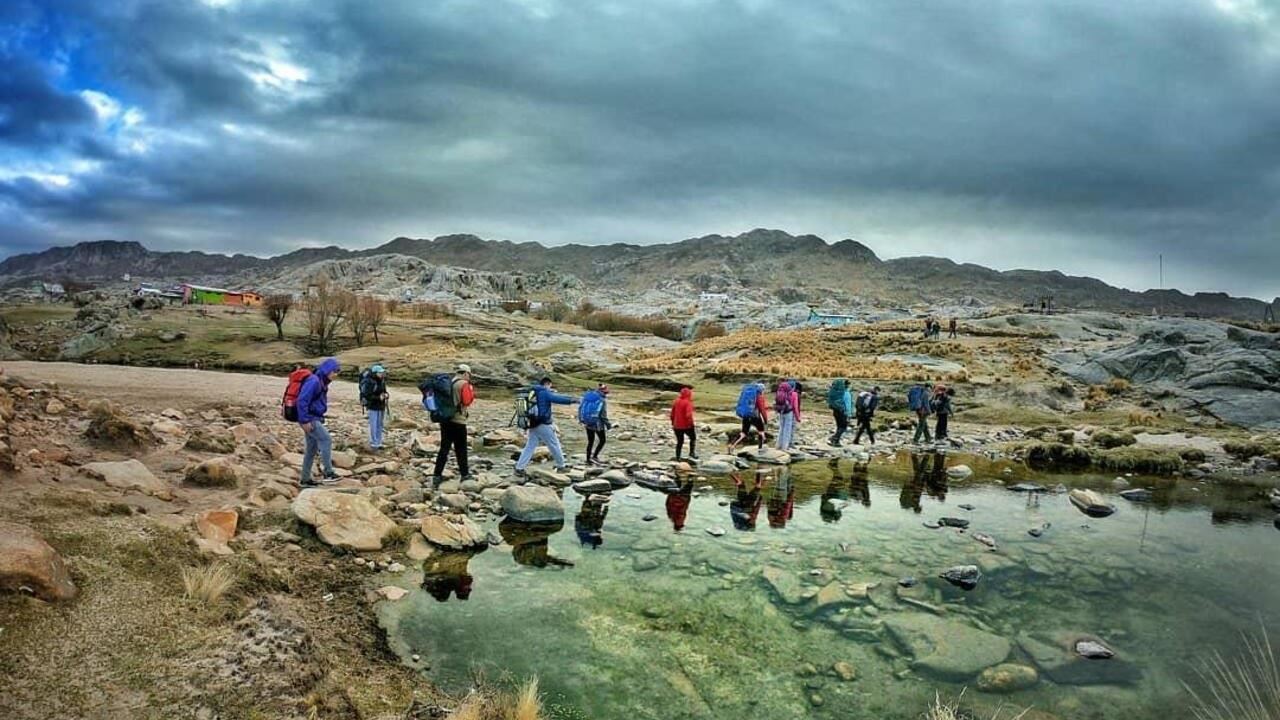
What do the excursions to La Cumbrecita include?
Almost all the tours include the same things: a guide certified in Alternative Tourism by the Córdoba Tourism Agency, personal accident and liability insurance, a first-aid kit, VHF radio communication, a digital medical record, and a gluten-free snack. They also include general admission to Peñón del Águila National Park, which can be used on another day of your visit. Lunch, which you bring in your own container, and transportation to the entrance bridge are not included.
For any trekking trip, it's advisable to bring comfortable shoes, light and spare clothing, a jacket, sunscreen, a hat, water, and a bag to protect your belongings from the rain.
3-day itinerary in La Cumbrecita
The first day, explore the historic center in the morning, visiting La Olla and the Ecumenical Chapel, and spend the afternoon at a tea house or along the Helmut Promenade. The second day offers a longer hike: the Wildermann Loop if you're looking for a hill, or the Abanico Waterfall if you prefer water. As an alternative to the long hike, the nighttime underground trek departs at 5:45 PM and takes up the afternoon and evening. The third day is reserved for a more challenging excursion (La Lagunita or the Garay Pass) or for relaxing and visiting Peñón del Águila Park, with admission included.
How to get to La Cumbrecita from Córdoba and what to do with your car
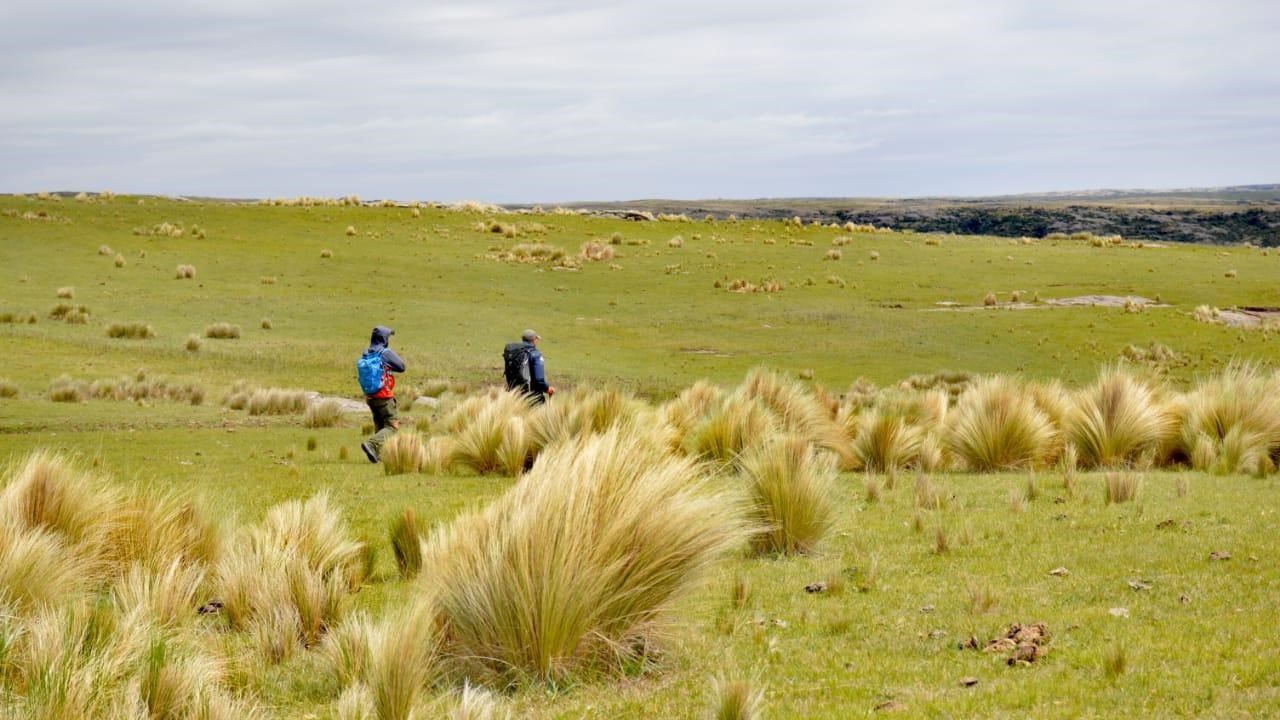
La Cumbrecita is about 120 kilometers from the city of Córdoba via paved roads. The final stretch is where the rules change: since 1996, vehicles have not been allowed in the central area, which is also an environmental protection zone. Day visitors leave their cars in the parking lots before the entrance, which have restrooms and a shuttle bus to the more distant areas; only residents and tourists with accommodations are allowed to enter by car. If you are staying in the town, confirm with your hotel how they handle luggage entry.
There are bus services from the city of Córdoba [CHECK companies and schedules], and transfers to the entrance bridge are not included in the tours, so it's best to arrange them beforehand. If you need help getting there, check Tangol's transfer services: [URL-TANGOL-TRANSFERS].
How many days to stay in La Cumbrecita
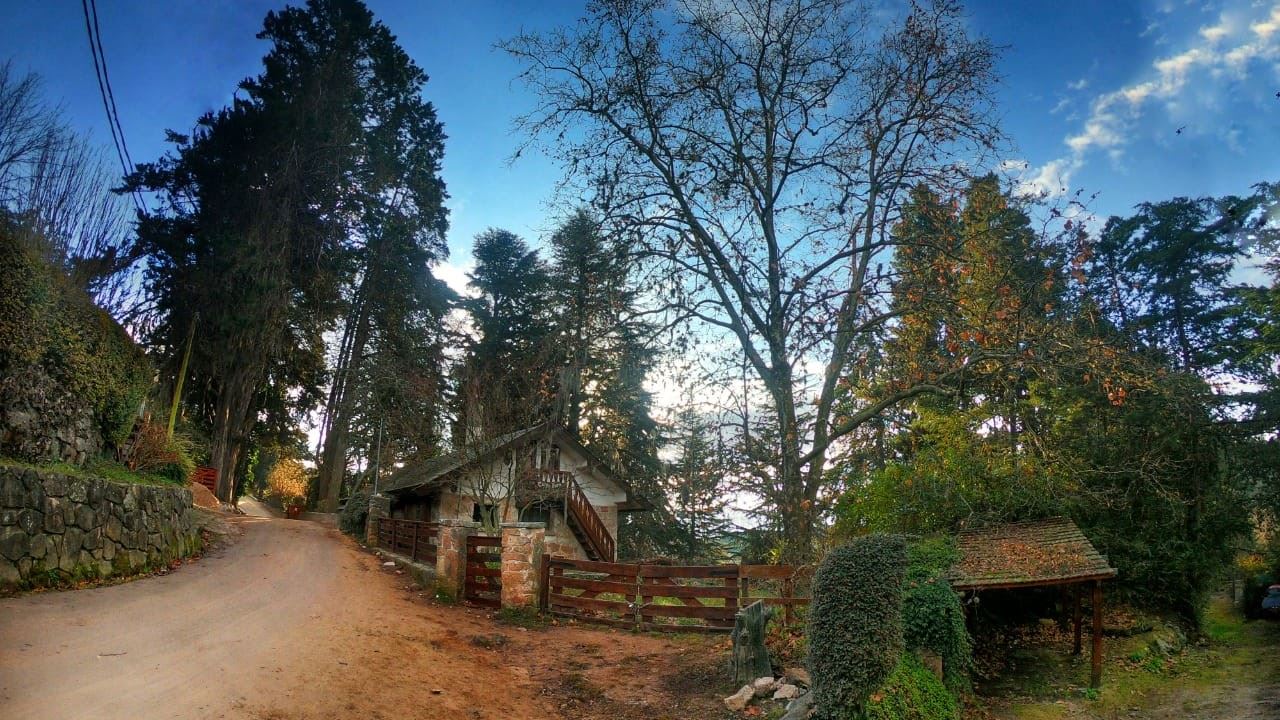
Two days allow you to see the historic center and take a long walk. Three days add a second excursion and an afternoon with no plans, which is the best way to spend a town designed for walking and relaxing in a tea house. More than four days only makes sense if you plan to do multi-day treks, such as to Cerro Champaquí, or use the town as a base for exploring Calamuchita.
Where to eat in La Cumbrecita
Central European influence is evident in the cuisine, and this is most concentrated at Helmut's, located in the house that was once the studio of the founder's son. The menu includes goulash with spaetzle, sausages with sauerkraut and kassler, and pastries such as strudel and Cremschnitte, paired with Wildermann craft beer and mineral water from La Cumbrecita. Additionally, the Helmut Promenade, featuring local products, is open.
For coffee and pastries, there's Bar Suizo. Those who prefer gourmet cuisine can check out La Colina. For afternoon tea, Liesbeth is a tea house. Among the steakhouses are El Puente and El Paseo, and La Costa is a pizzeria. Engel appears on the gluten-free list [VERIFY]. These are the names listed in the town's directory, but it's best to check the menu and opening hours directly, as well as the status of each establishment before visiting, since several are seasonal.
Peñón del Águila Park also features Refugio de Gambrinus, a Central European restaurant overlooking the Tres Cascadas (Three Waterfalls), accessible by the Adller Express train from El Cedro station. The park, located in the Villa General Belgrano area [VERIFY], also offers zip lines up to 700 meters long through the mountains, tree climbing, rappelling, rock climbing, and ATV tours.
When to go to La Cumbrecita
The town is open year-round. Summer is the season for swimming in the pools and streams, and October through March is the best time to visit Cascada Abanico (Fan Waterfall). Spring and autumn are the recommended months for Champaquí, with more moderate temperatures. Winter is cold, and the summit of Champaquí can be snow-covered, so long hikes end earlier because it gets dark early.
How many days should you stay in La Cumbrecita?
Two or three days are enough for the historic center, one or two walks, and eating in the town.
Is it possible to drive into La Cumbrecita?
No to the downtown area. Day visitors leave their cars in the parking lot before the entrance; only residents and tourists staying at the hotel are allowed inside.
What is the best excursion for a first visit?
The Walk through the Historic Quarter to start, and the Wildermann Loop or the Fan Waterfall for a medium-level walk.
Which is the most challenging excursion?
Cerro Champaquí, about 14 hours and 1,450 meters of elevation gain, and La Lagunita, a full day hike.
What do the excursions include?
Certified guide, insurance, first aid kit, radio communication, medical form, and gluten-free snack. Lunch and transportation to the entrance bridge are not included.
Can we bring children?
Short walks and the historic center are fine. Longer walks are not recommended for young children; please check the minimum age for each tour when booking.
When is the best time to go?
All year round; for Champaquí, spring and autumn, and for Cascada Abanico, from October to March.