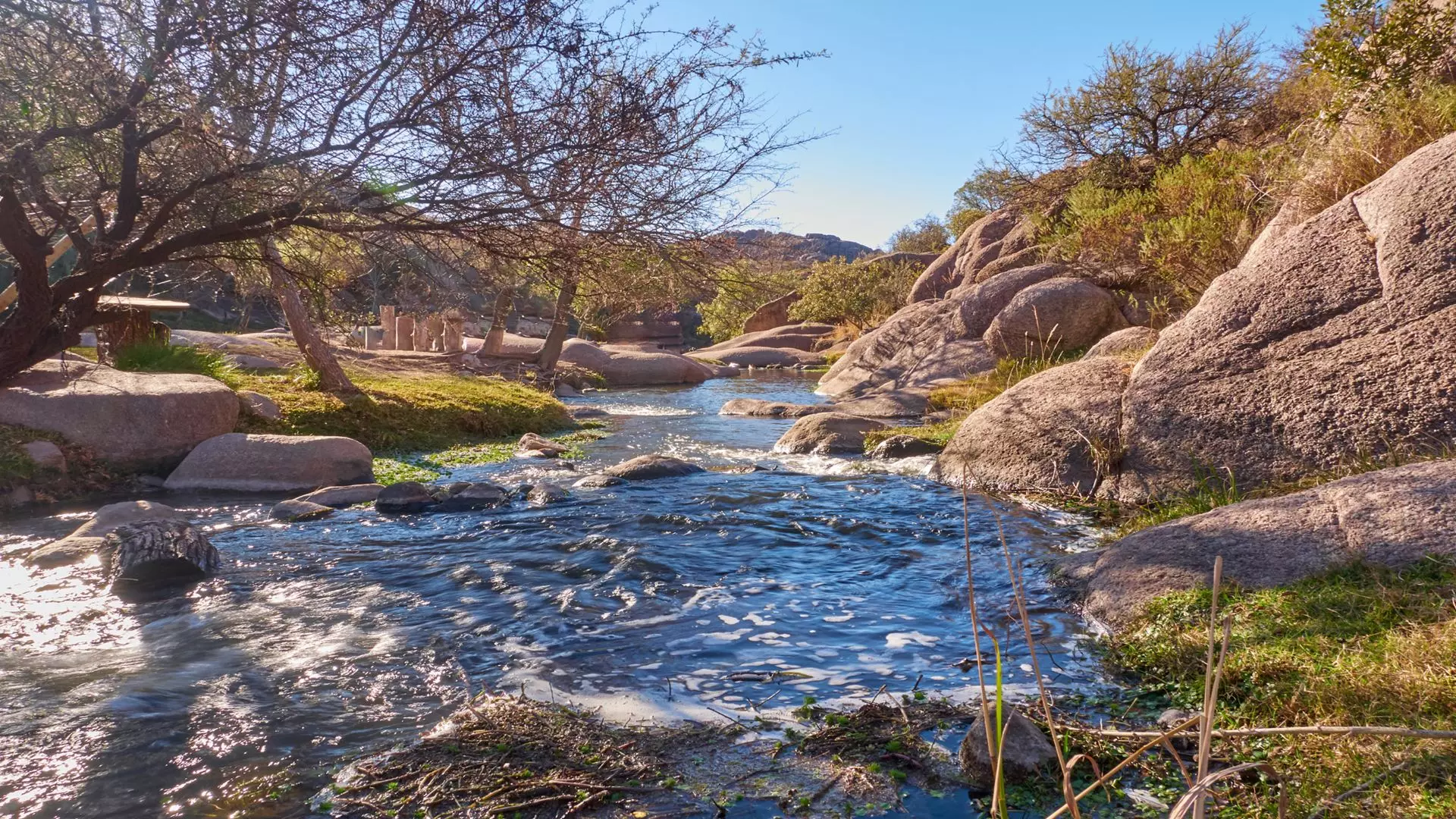
Córdoba is a beautiful city loaded with colonial architecture, bars, varied restaurants and amazing landscapes. In the capital you will find the oldest university in Argentina (National University of Córdoba), about 200,000 students choose to study here, which gives this city a young and cheerful air. All this large student population caused a revolution in craft beer, you will notice that there are endless places (breweries) to enjoy a cold beer accompanied by a very lively atmosphere. Another thing that characterizes the city is that it has life throughout the day and at night everything is party and joy. You're guaranteed to have fun!
Outside the city, there are breathtaking views of the mountains and lakes, it is worth taking the time to explore them. An excellent way to do this is with the horseback riding, you will not only see the best landscapes but you will also learn to ride like a gaucho. Adrenaline is something that will accompany you throughout your trip to Córdoba!
If you are thinking of visiting this wonderful city, I leave you all the tips necessary to organize your tour:
The best things to do in the city
Within the city there is a huge amount of things to see and do. If you are short on time, I recommend you hire the city tour by Córdoba city is a great way to see the most important sites for 3 hours. If you are one of those who do not want to miss anything, here are the most popular places:
Visit Parque Sarmiento
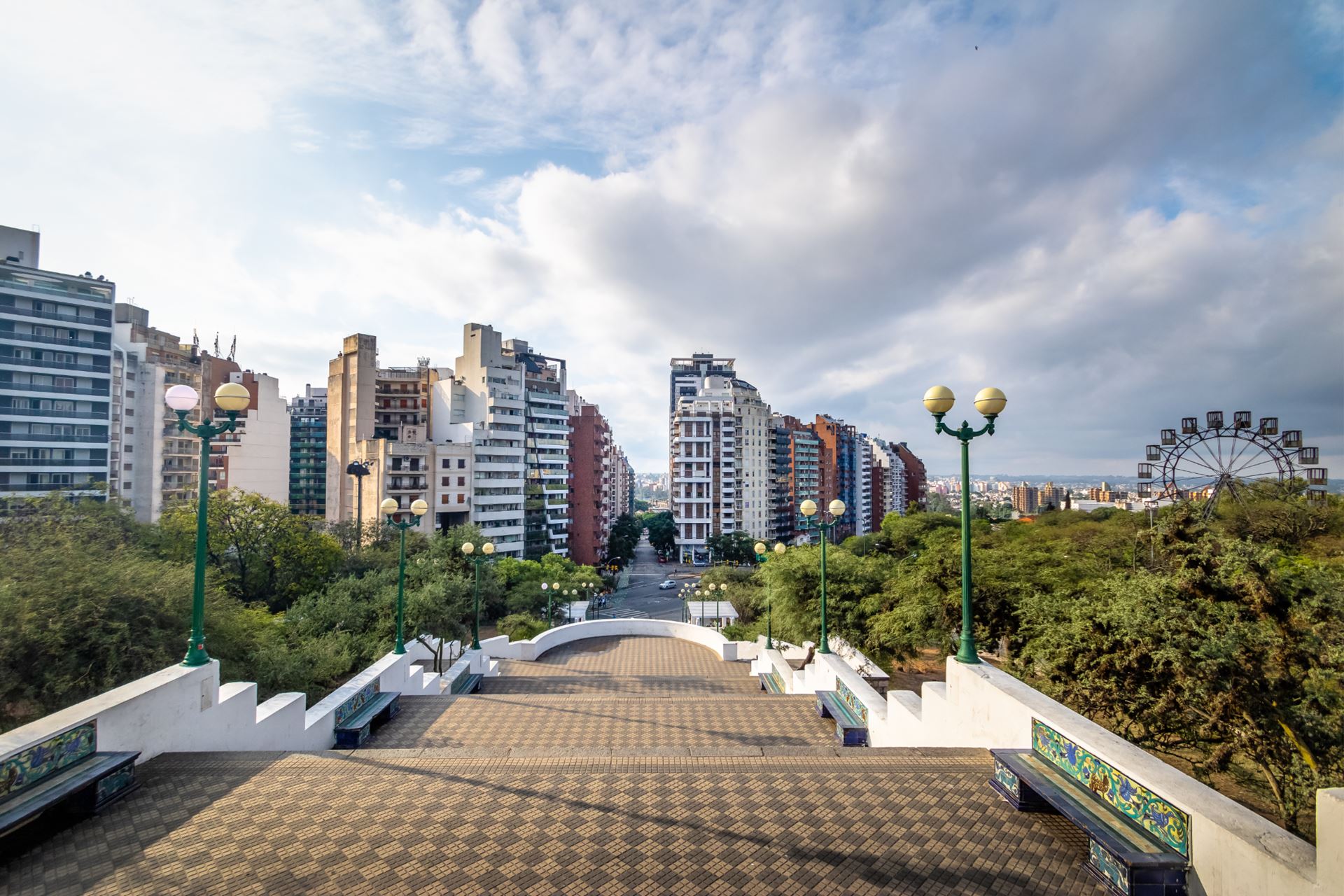
The Parque Sarmiento is a landscaped green space, the largest in the city of Córdoba. It is located in the geographic center of the city a few blocks from the microcenter in one of the areas with the highest demographic density. It is named in honor of Domingo Faustino Sarmiento, former president of the Argentine Republic.
The park was designed in 1890, It is one of the most popular places to visit, both for tourists and people from Cordoba, since you can enjoy views of the lakes, an amphitheater and the rose gardens with their exotic fonts. There is also a area for skating, skateboarding and near the steps an area for games for the little ones (slides, hammocks, up and down, sandpit, handrail and rings).
In the north sector, on Lugones avenue are the zoological garden and important institutions such as the Caraffa Museum, the Museum of Natural Sciences, the New Interpretation Center of the Province of Córdoba.
In the amphitheater (the Greek Theater) are performed public shows in the open air, as well as on the main street (Deodoro Roca) crowned by the monument to Dante Alighieri's greatest work: "The Divine Comedy".
Around the park you will find restaurants, bars and cafes, ideal for stopping during the tour and drink something fresh accompanied by something sweet or salty to replenish energy and continue the walk.
Buy handicrafts at Paseo de Las Artes
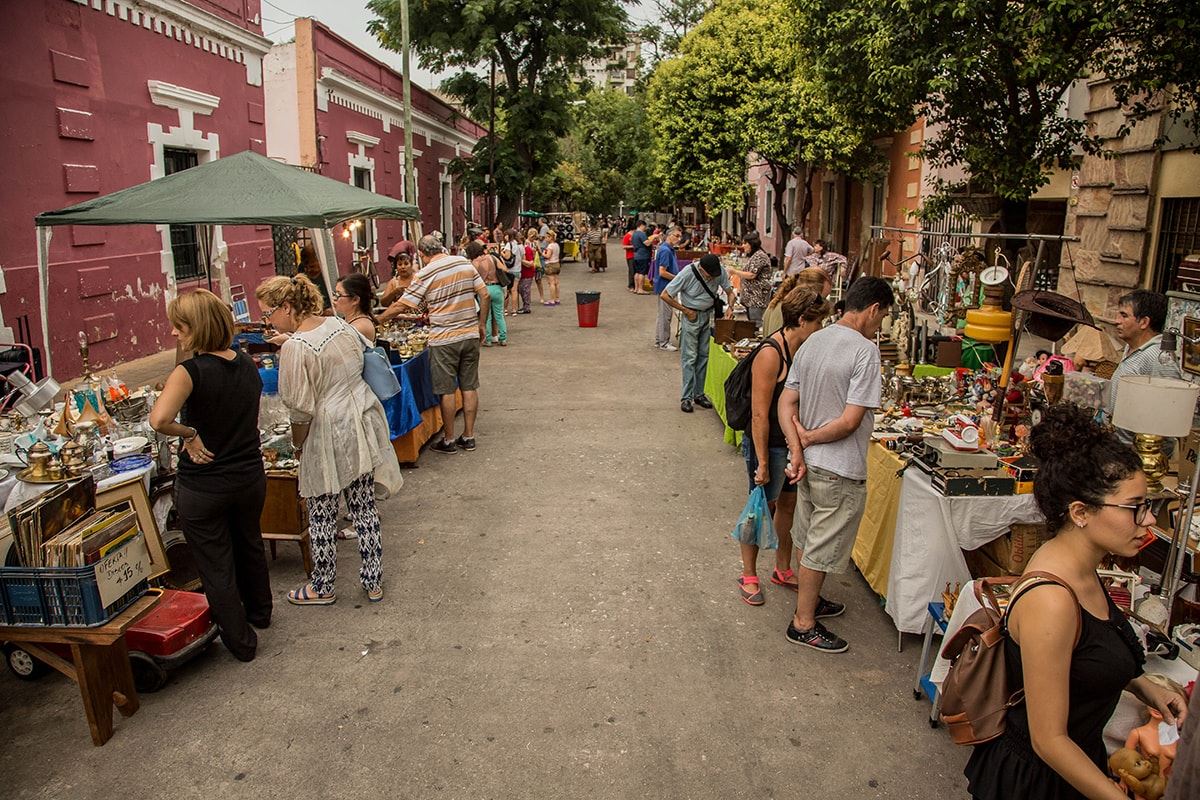
On weekends the modern Güemes neighborhood hosts the fair of artisans of the Paseo de las Artes ( Dr. T. Achával Rodríguez 330, street art market). The stalls line the river and sell local handicrafts, vintage clothing, traditional leather goods and Cordoba souvenirs. During the tour there are street artists playing the classics of national folklore and tango.
In addition, during the walk it is possible to enjoy multiple and novel gastronomic proposals, especially regional ones, that with ingredients from the province rescue homemade preparations and typical dishes of Córdoba.
The Paseo de las Artes is 27 years old, it is the result of a neighborhood and municipal initiative to revalue one of the most beloved and legendary areas of the city of Córdoba.
Strolling through Plaza San Martín
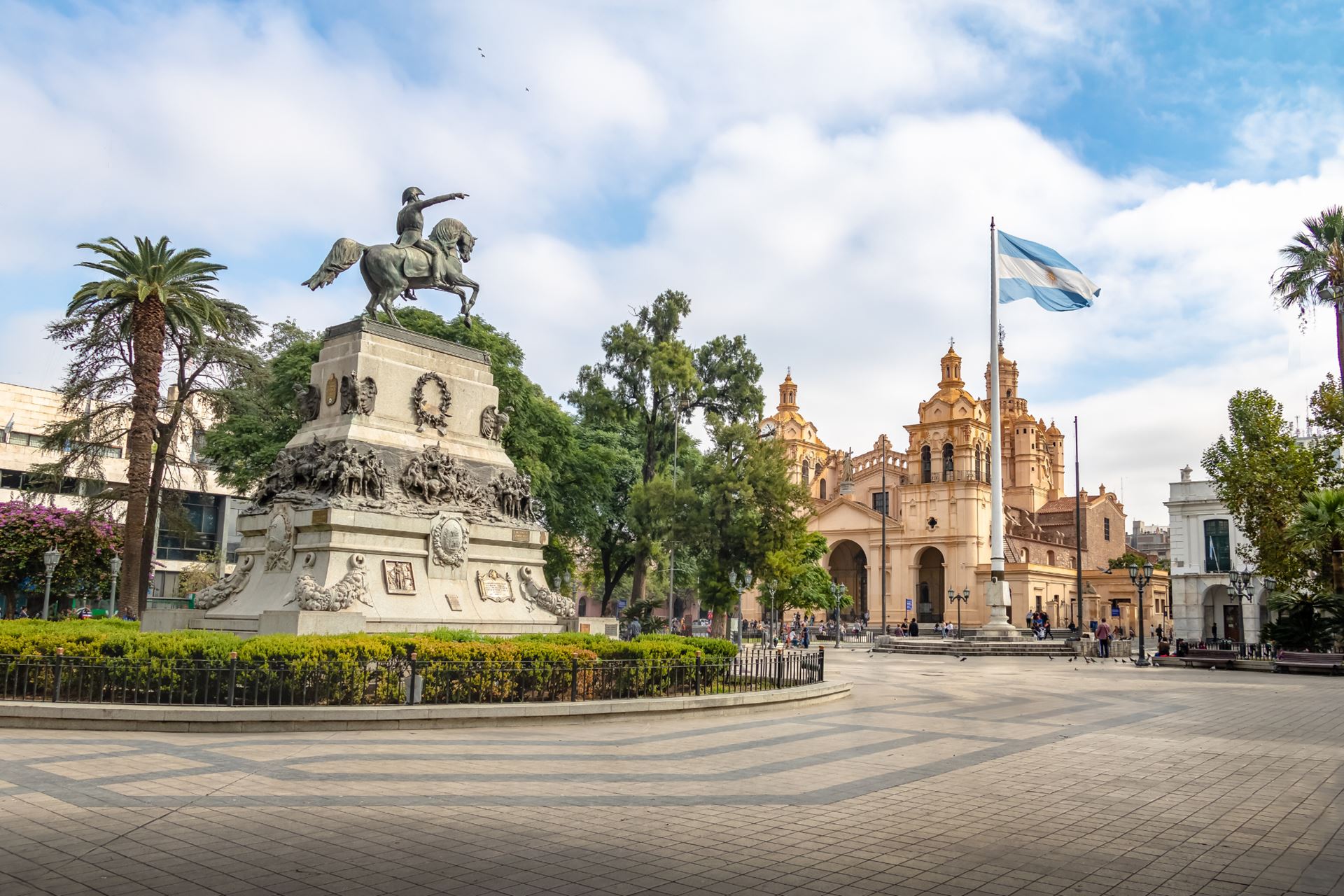
Each city in Argentina has a beautiful central square and the Plaza San Martín is the case of Córdoba! Around this 400-year-old green space are the Cabildo, the Cathedral, several banks, cafes and markets. The square is located in the center of Córdoba, in the downtown area, it is the place that is often used for cultural events and exhibitions organized by the city.
Its location was planned by Lieutenant Governor Lorenzo Suárez de Figueroa in 1577, four years after the founding of the city.
Observe the works and sculptures of El Museo de Bellas Artes Evita
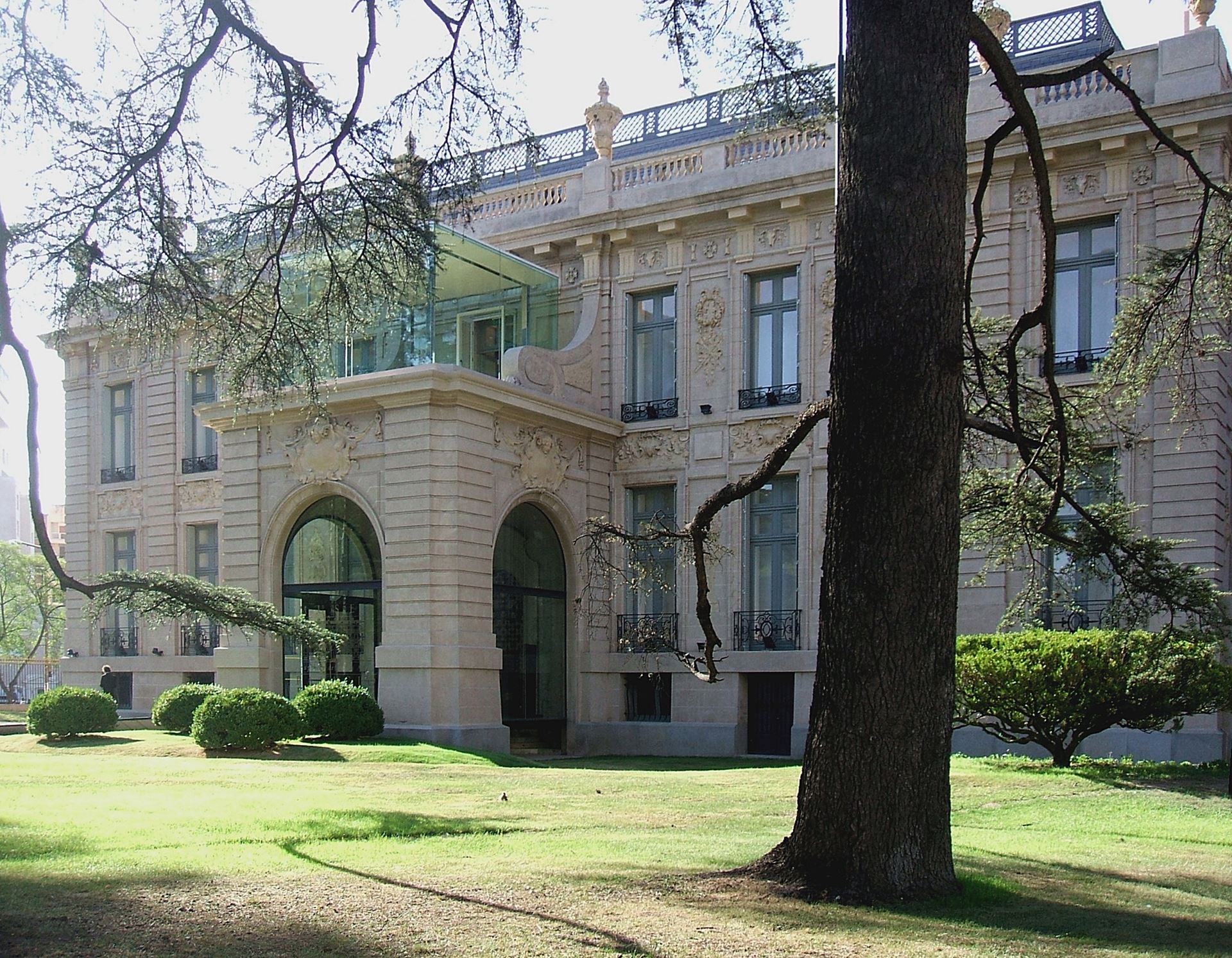
El Museo Superior de Bellas Artes Evita is a museum next to Plaza España in the center of Córdoba (Av. Hipólito Yrigoyen 511). Located inside the Ferreyra Palace, designed by a French architect, the museum is beautiful! It houses 12 rooms with more than 400 works of art of the best artists from Argentina.
The Superior Museum of Fine Arts Evita - Ferreyra Palace is a must see in Córdoba Capital. Its majestic French-style construction dates back to 1916. The museum was opened in 2007 with the purpose of displaying the province's incredible collection of heritage art. This space surprises the visitor with a large central hall more than 20 meters high. Inside it has 12 permanent exhibition rooms, an auditorium, a workshop-library room and an interpretation space. Leaving the palace, the sumptuous garden also invites you to walk and contemplate.
Tour the Paseo del Buen Pastor
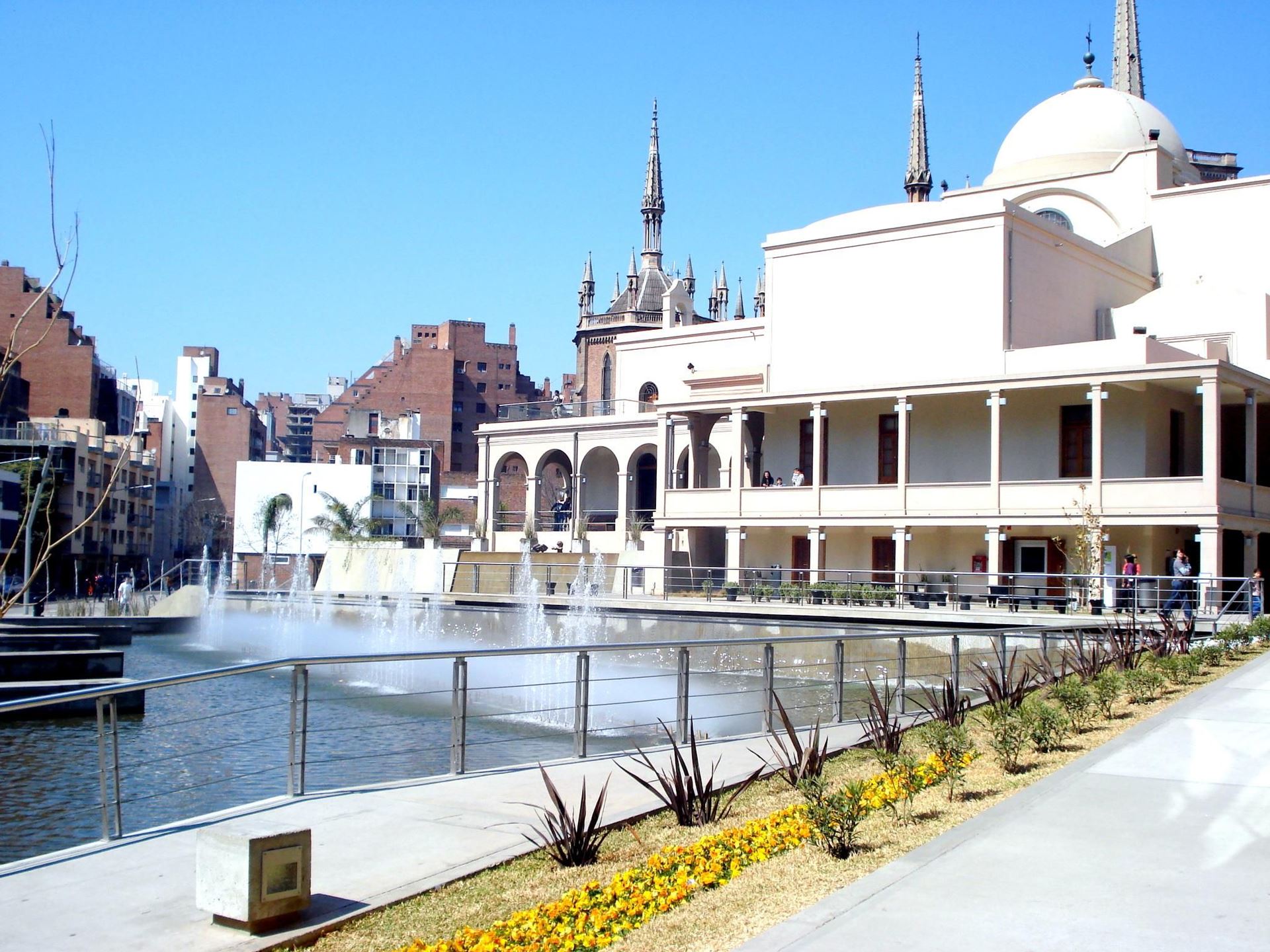
The Paseo del Buen Pastor is a old women's prison that is now a cultural center. The Chapel that is inside, is currently a art center e that houses works by emerging artists. This cultural, recreational and commercial center is located in the heart of the Nueva Córdoba neighborhood (Av. Hipólito Yrigoyen 325). It was inaugurated in 2007 by the Governor of La Sota.
It works as a meeting point and meeting point for the people of Cordoba, since it is one of the most pleasant spaces that the city has for its multi-recreational space, it also has a commercial gallery where events and exhibitions take place, there are also two restaurants, bars, shops, and a fountain of dancing waters that, thanks to its music and lighting system, becomes an attractive and highly frequented place.
Drink the traditional Cordoba drink: Fernet with coca

The Fernet with coca is synonymous with Córdoba (is also the "unofficial national drink" of the country), at the first sip it has an extremely bitter taste, then the sweet and herbaceous taste begins to feel a bit. This digestive drink of Italian origin became one of the most popular among young Argentines during the last 30 years.
Wherever you go for a drink in the city, you will find on the menu the famous Fernet with coca. At the beginning, I recommend you order it with a low measure of fernet so that you can enjoy it, since the people of Cordoba say that you start to enjoy it after the third or fourth glass.
If you want to try this typical Cordoba drink, I recommend you go to the best-rated bars in Cordoba, where they serve different varieties and combinations of fernet: Sheraton Lobby Bar, Windsor Bar, Flying cent and Apartment Bar.
Observe he World of the Eiffel Engineer
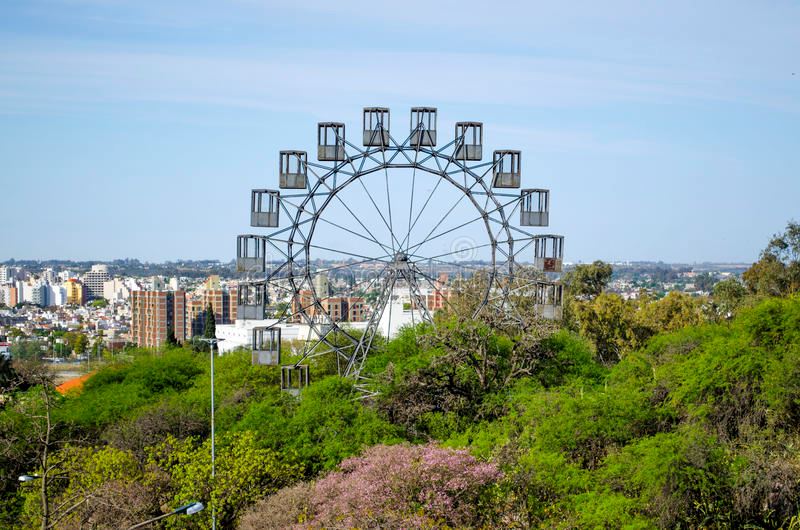
It is the indisputable symbol of the city of Córdoba, the Eiffel Wheel was an old rotating wheel made exclusively of wrought iron. It was built in the famous workshops of the French engineer Alexandre Gustave Eiffel. The circular structure (27 meters in diameter), was supported by interlocking axes similar to the spokes of a bicycle wheel. Eccentric and large, it contained twenty cabins with capacity for six people each cabin and it took 20 minutes to complete a complete turn.
In the 60s the wheel was installed in Parque Sarmiento, but as a result of some errors in its location and malfunctions in the 70s it stopped working and in the mid-90s it definitely collapsed.
Just in the year 2001, reconstruction and restoration work began based on an agreement between the Municipality of Córdoba and Superpark. Although no longer turning or loading passengers on its trunks, the old "Around the World" was reopened in 2003 as an urban monument. Despite not being commercially exploited, it currently constitutes an emblematic sculpture, an icon of the modernization process that took place in Córdoba at the beginning of the 20th century.
See the architecture of the Palace of Justice
The most outstanding activities to do outside the city
Visit Villa Carlos Paz

Villa Carlos Paz is a city located in the west of the province, in the region of the Sierras de Córdoba, more precisely within the V alle de Punilla, next to the San Roque dam ( 42 kilometers from the capital ). It is one of the most important tourist centers in Córdoba during the summer (January and February), since you can enjoy its warm water beaches (Los Hippies, Oro, Fantasio, Sol and Rio), the various water sports (windsurfing, sailing, motor sailing, jet skiing, boating), the outstanding variety of plays and fun nightclubs.
The rest of the year the density of Low visitors, but it is also an excellent time to enjoy the adventure tourism activities in the mountains (hiking, mountain biking and horseback riding).
The center of Villa Carlos Paz also has its attractions throughout the day with its markets and restaurants, while at night the bars and nightclubs take center stage such as: 2 Locos, La Trampera, Heroes, Clover, Green Paradise Disco, Keops and Khalama.
Another very popular spot in this city is the Clock Giant cucú, built by Germans, located on the route to the north of the Punilla Valley (Between Av. Uruguay and Av. Sarmiento).
Another activity that families and young people really enjoy is the chairlift ride to Cerro Cruz (960 masl), where you can appreciate a beautiful view panoramic view of the city, the lake and the mountains.
To get to Villa Carlos Paz in car you have to take national route 20 for 40 minutes 42 kilometers) until the signposted entrance. If you want to go by bus, you can take them at the bus station in the center of Córdoba ( Bv. Juan Domingo Perón 380 ), where they leave during all day. Another option is to hire the tour to Villa Carlos Paz, it will allow you to visit the entire city and each of the most important points with all transfers included.
Strolling through La Cumbrecita
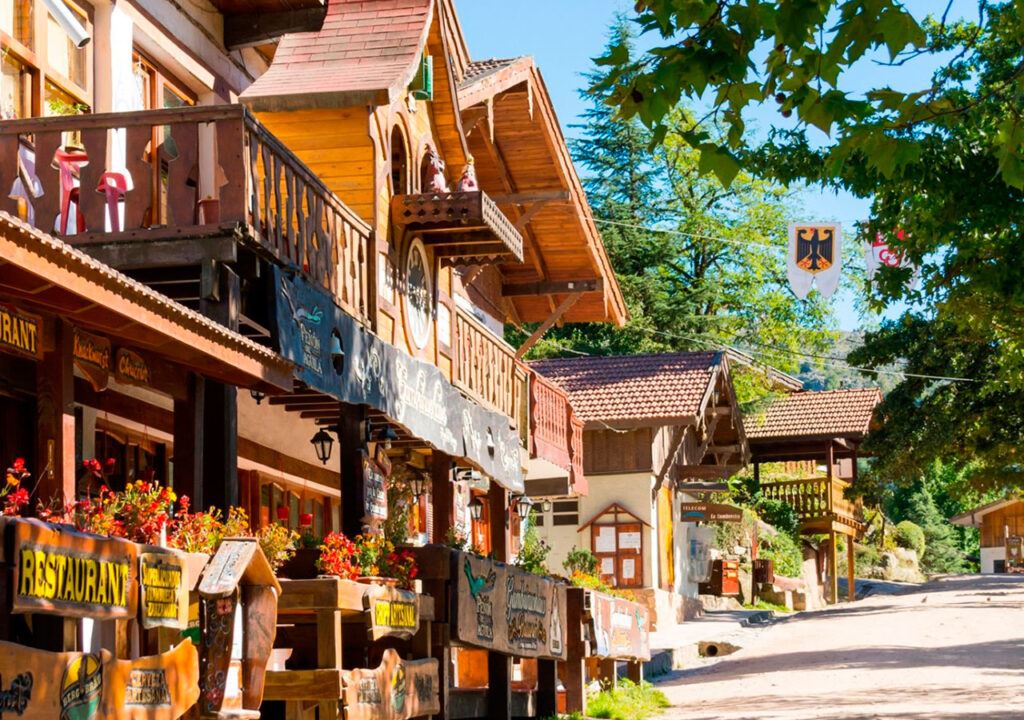
This little town located in the Calamuchit valley a (Sierras Grandes) 120 kilometers from the city of Córdoba, it mixes German and mountain traditions, in an environment surrounded by forests, waterfalls, castles, streams and rivers. You can do all kinds of activities, from arborism, hiking , horseback riding, fishing and tyrolean.
In addition, La Cumbrecita stands out for its spectacular gastronomic offer, which invites you to savor incredible German and Austrian dishes, freshly caught trout and traditional desserts from central Europe such as tiramisu and cream cakes.
Between the different walks (all are marked with their respective trails and distances in the entrance to the town of La Cumbrecita) that can be done the most outstanding are: the walk towards L to Cascada Escondida (the German settlers l they called "Almbach", which translates as "hill stream"), coniferous forests and deciduous trees (oaks and holm oaks), the underground river and the old cemetery (currently a park with a beautiful grove).
I also recommend you visit The Chapel, it is located at the top of the forest path, in one of the highest areas of the town. This site, like many of the buildings in the area, were designed by Helmut Cabjolsky, one of the pioneers of La Cumbrecita. It was built with materials from the area in the year 1967 with so that it remains open to all faiths. The predominance of wood, Alpine architecture, the reduced spaces of the temple and the forest surrounding it, make it an austere place with a particular charm.
Another interesting site is La Olla, one of the the most visited corners of the Almbach stream (a 14-meter high waterfall that falls over a pot about 5 meters deep). It is located at one end of the town and is one of the favorite spas during summer days. The channel of water that descends from the mountains, is generating unique places from which to enjoy nature in its purest form. La Olla is surrounded by a lush coniferous forest, here you will find a waterfall that slides through the rocks and falls into a deep natural pool more than 6 meters deep.
I also recommend you go through the Birch Forest (the path begins in the center of town and is marked with a sign near the office tourism), is one of the most emblematic forests of La Cumbrecita. To get there it is necessary to cross the Almbach stream over a small wooden bridge and skirt the traditional Liesbeth Confectionery. Slowly ascending the mountains you reach this beautiful forest. During spring and summer, birch is distinguished from other species by the silver color of its branches and the intense green of its leaves. But it is in the fall when this forest is most dazzling, due to the incredible variety of colors that the foliage acquires as the days go by. The abundant vegetation that surrounds it and the large rocks that come out of the stream form an ideal place to sit and rest and contemplate the surroundings. Access to La Cascada is done through a walk about 15 min along a path (located on route 109 a few meters from the Liesbeth confectionery) that climbs the mountains and allows you to see beautiful landscapes.
Another walk worth doing is visiting The Fountain , this was designed by Engineer Helmut Cabjolsky. It was built in lapacho wood in the year 1942 as a gift for the birthday of his father, the founder of La Cumbrecita. It has a bowl that stores water and is crowned by a bell that was sounded as an alarm in case of fire or emergency, alerting all the inhabitants of the town. In autumn, the background of trees that frame the fountain takes on yellow tones that make it stand out even more. To get to this fountain you have to go to the Plaza de los Pioneros one kilometer from the entrance to the town, a few meters away the fountain is signposted.
And finally, if you are looking for fun and entertainment in the heights, a highly recommended place is the El Peñon del Aguila Theme Park. Here you will be able to do quick jump (rope jumps), zip-lining, arborism, archery, hiking and rappelling. You will be surrounded by wonderful forests, giant rocks and streams during your entire stay in the park. In addition, they have sectors to eat and enjoy delicious craft beers.
One of the most recommended ways to get to know all these places and every corner of this picturesque town is to do the La Cumbrecita Trekking excursion, will allow you with the accompaniment of a guide and the transfers included to get to know more closely the Sierra Cordobesa, its trails, the top of Cerro Wank, the pedestrian town, the Birch Valley, the Hidden Waterfall, the Almbach stream and many more places.
If you come on your own from the city you can rent a car and go for 120 kilometers (2 hours) along Provincial Route 5 to the intersection tion with the RP9, which leaves you at the entrance to the town.
Trekking to Cerro Uritorco
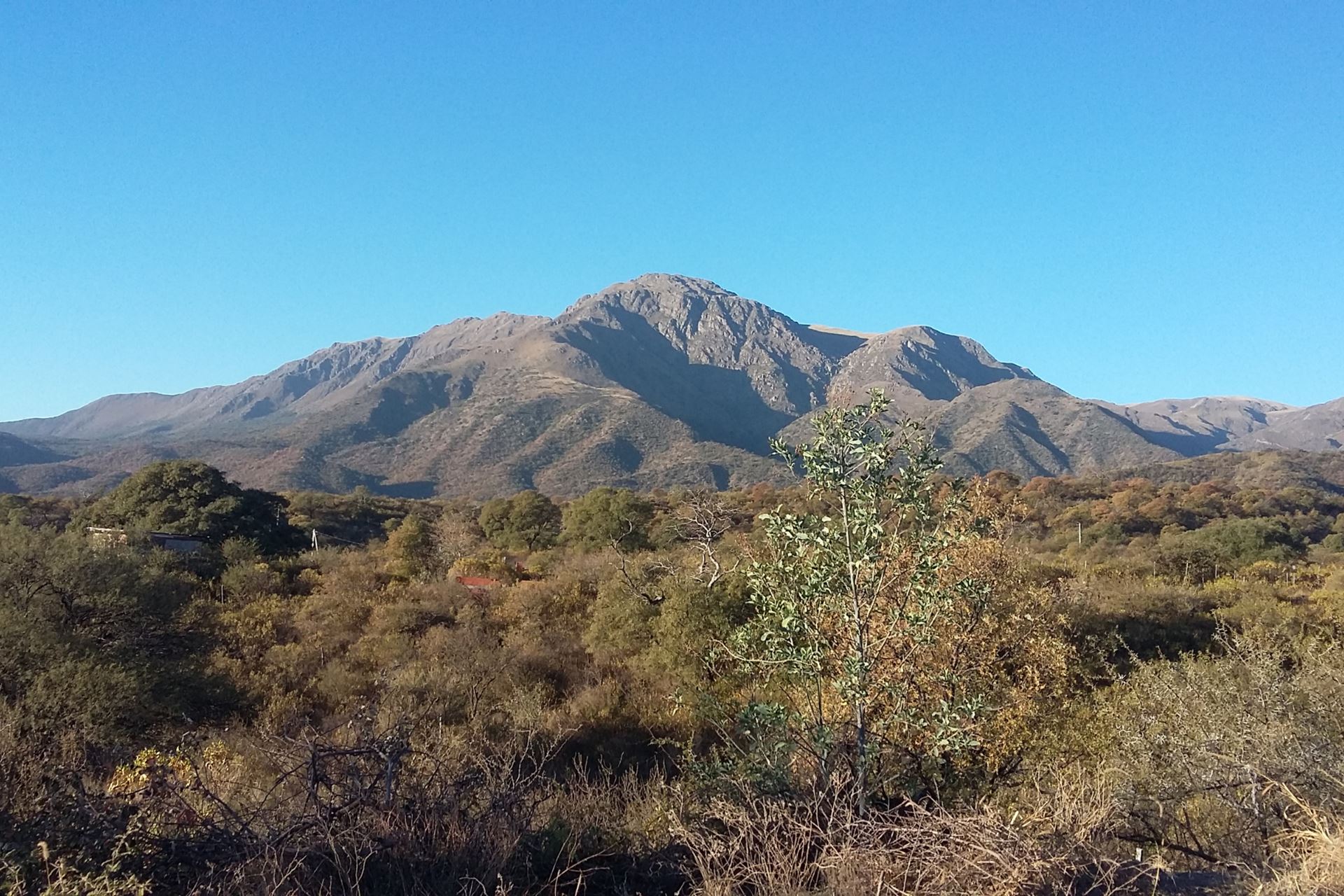
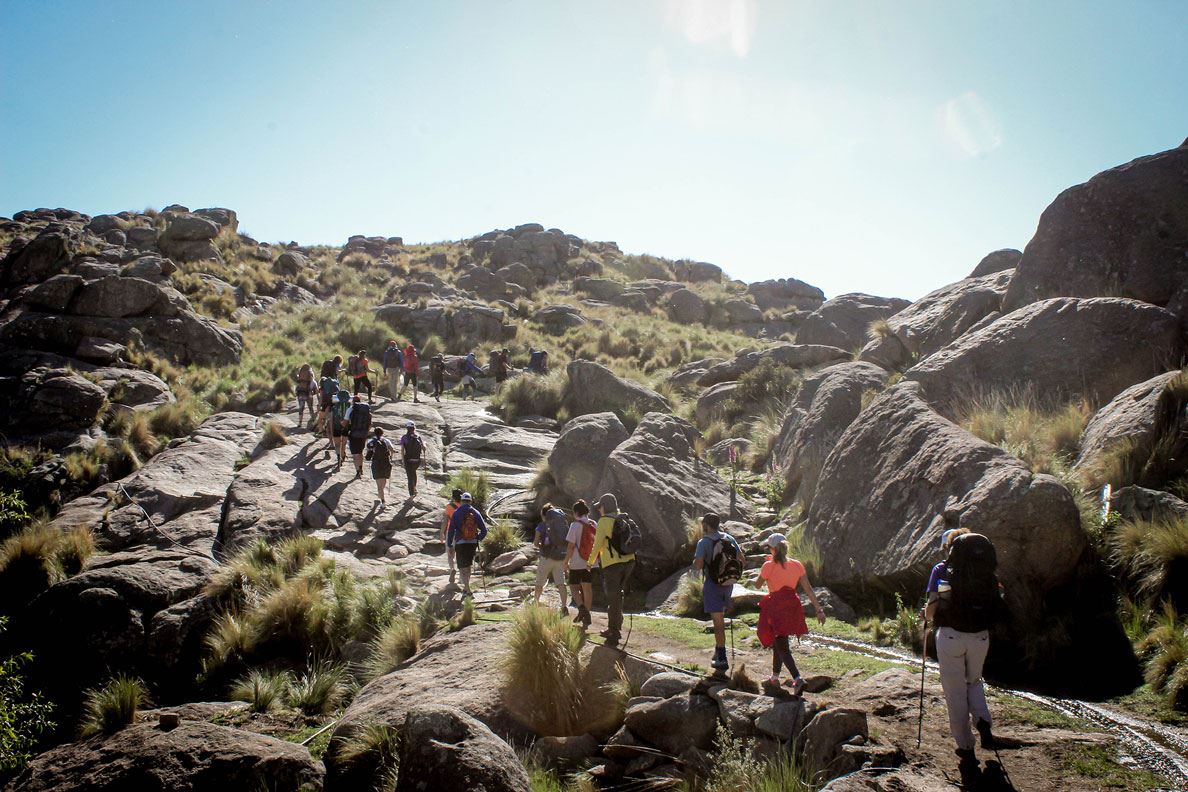
The Cerro Uritorco is located in the Punilla Valley, near the town of Capilla del Monte. Its name in the Quechua language means "Cerro Macho", in clear allusion to its impressive geographical presence. It is the highest hill of the small mountain ranges with 1980 meters of height above sea level. Its ascent is done in the middle of a generous and varied vegetation, between slopes and lagoons (The total distance of the ascent and descent is 12km in approximate total 7 hours).
From its summit you have a spectacular view of Capilla del Monte, El Cajón dam and, if the weather permits, the Salinas Grandes in Córdoba. The trekking begins in the confectionery of the property (100 kilometers from the city is signposted from the RN38), where you must pay an entrance registration. As you gain unevenness, different posts invite you to rest: The post of silence, the ox hollow, the wind ravine, the valley of the spirits, among others. Reaching its summit deserves the prize of a panoramic view of the Punilla Valley and the Sierras Chicas.
Nearby there is a camping that allows you to enjoy the waters of the Calabalumba River (accessed by the oxbow hollow path). It is also possible to do other nearby trails of low difficulty, such as the path of the fig tree and the path of the Orco Quebracho, all these paths will ensure wonderful views of the mountains. For those looking for more adventure, there are two long-distance trekkings, these start from the spa and the trails are: El Dique Alazanes and Las Huertas Malas (they are circuits of more than 1 hour of hiking).
Cycling the Cuevas de Ongamira
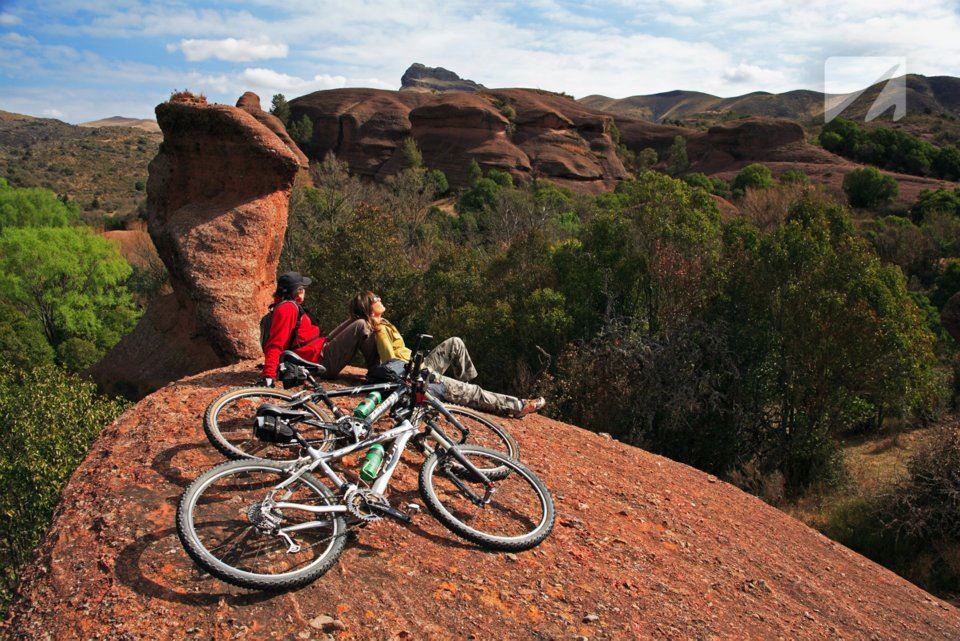
Ongamira is a small place located to the north del Valle de Punilla, located in a natural and rugged setting, with abundant vegetation and hidden waterfalls that invite you to adventure and rest. With 130 million years, this reddish landscape of sandstone can be visited in an interesting bicycle tour of Ongamira, where in addition to touring the area you will reach the famous Caves of Ongamira, which constitute the Fifth Natural Wonder of the province. You can also discover the various archaeological eaves and watch condors.
During the excursion you will be able to learn in detail through a local guide, the history of the native peoples who inhabited the area (brave Indians who resisted the Spanish colonization) and the legends that haunt these caves.
The bicycle journey is 30 kilometers and stops in wonderful places such as hidden waterfalls to rest, recharge energy and enjoy a delicious picnic or take pictures and capture unique moments.
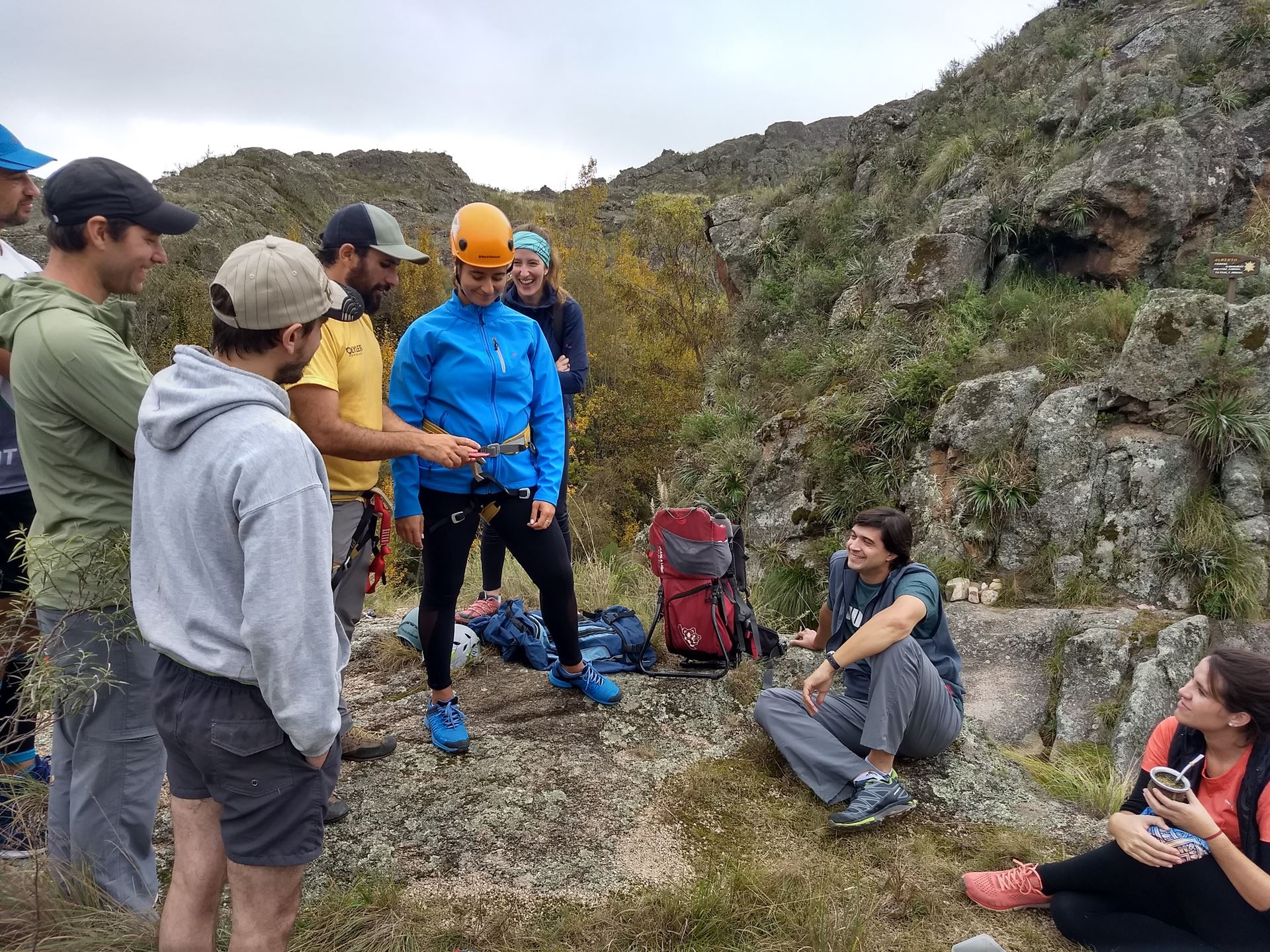
Hike and rappel through the Pozo del Indio
Visit the Sierras Chicas
The tourist area Sierras Chicas is a mountain range that is located to the Northwest of Córdoba capital. The Comechingones (original peoples) called this mountain range Viarava. It differs from the Sierras Grandes or Altas Cumbres by its lower elevation: the highest hill in the Sierras Chicas is Uritorco, at 1,979 meters above sea level. To get there from the city is accessed by the RP53 and 57 for 70 kilometers. The environment of this area is surrounded by vegetation, rivers and mountains.
The recommended places to visit are: The Natural Water Reserve (It has an area of 4,200 hectares, is composed of streams, forests and various species of fauna and flora), the Dam La Quebrada and the Parque de la Quebrada, where you can practice trekking and mountainbike, fishing and other water sports such as canoeing and windsurfing.
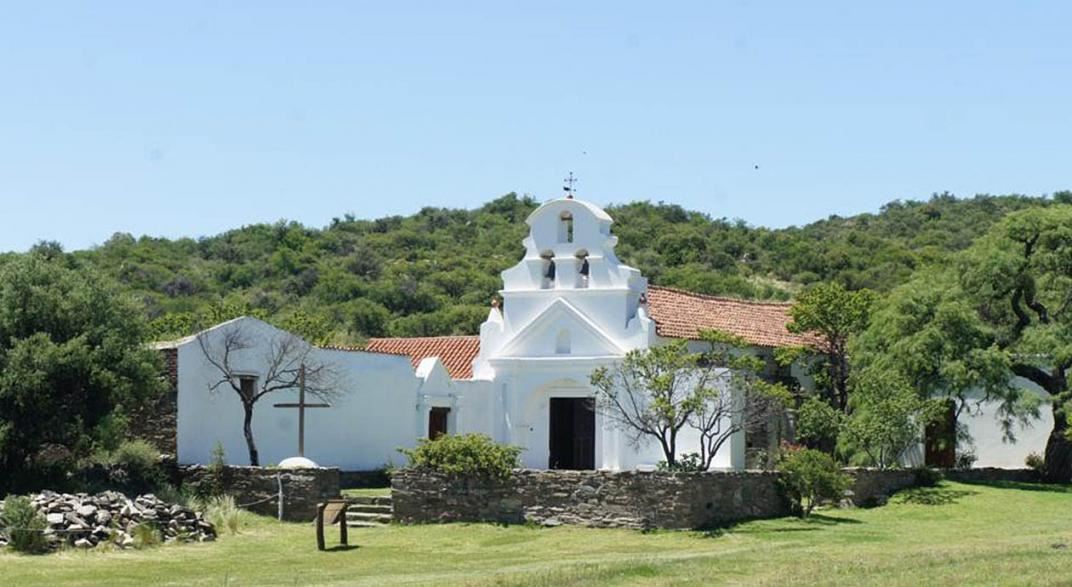
Another must-see is The Chapel of Candonga, declared a National Historic Monument for its architecture and imposing landscapes. Here you can also enjoy a bicycle circuit that will allow you to know the entire area that surrounds it (Candonga Valley and the Agua y Oro River).
This region also has one of the most visited cultural circuits which are the four rooms built by the order of the Jesuits, declared a World Heritage Site by UNESCO.
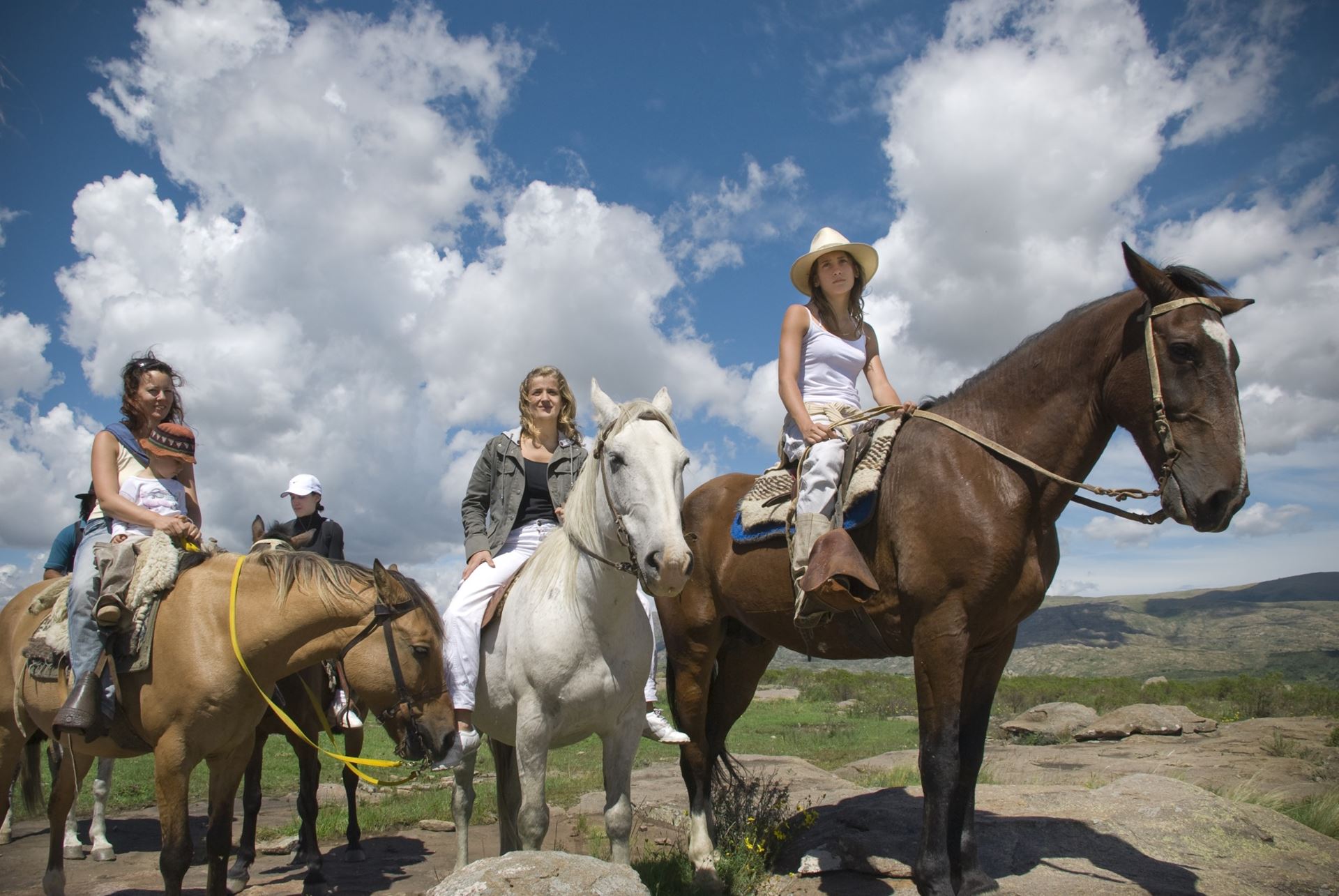
Another popular activity in the area is the horseback riding through the mountains, where in addition to enjoying wonderful landscapes, you will learn more about the life of the gaucho , about the elements of the mount and, if you have no previous experience, they teach you the basics of the art of horse riding.
It is a fun activity for all ages, from people with no previous experience to the most advanced. The excursion lasts for 11 hours, it has guides who will tell you about life in the countryside and the daily gaucho activities and the different horse handling techniques (walk, trot and gallop) that then you will apply them during the tour. This tour also includes a typical country lunch with barbecue, a snack and the different drinks and typical foods of the area.
If you are interested in learning more about this region, there is the possibility of doing the tour of the Sierras Chicas that allows you to know together with a guide La Calera, a town that houses various historical monuments such as the Old Chapel and the Double Mill, visit the towns that are at the foot of the Sierras Chicas, such as Saldán, Villa Allende and Unquillo. The Cristo de Río Ceballos and La Quebrada Dam will also ascend.
Ascent to Cerro Champaquí
Tour the Jesuit Estancias
Taste wines in the wineries of Colonia Caroya
Swimming in the Natural Reserve Los Cajones de El Durazno
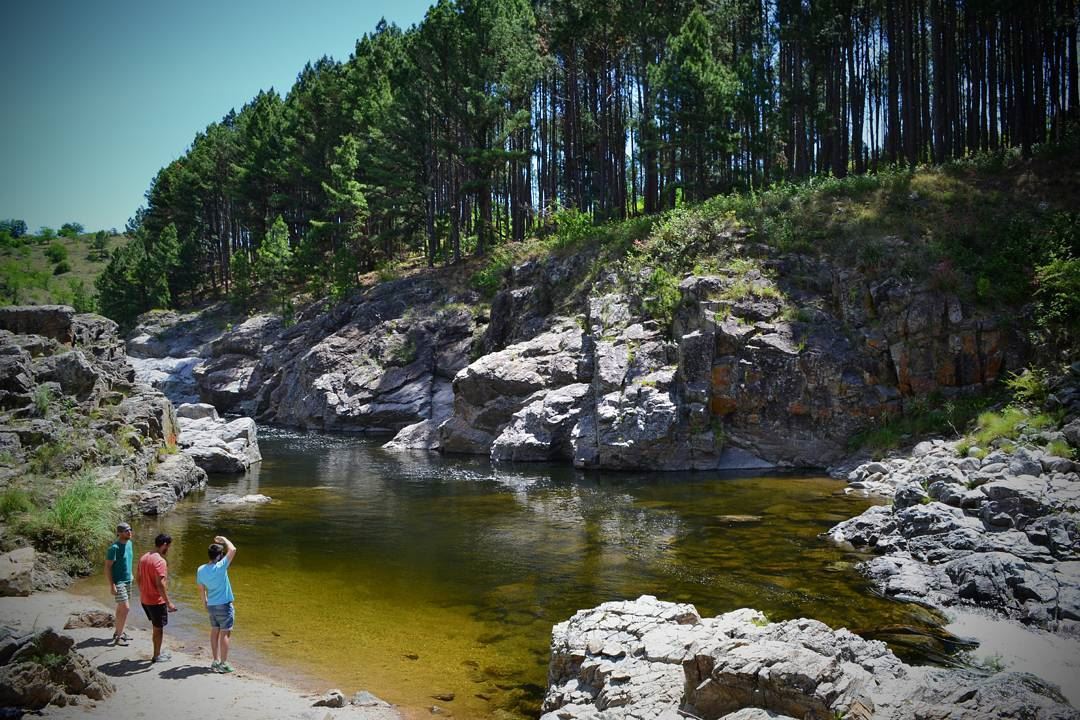
One of The favorite attractions in El Durazno (Calamuchita Valley) is the Los Cajones Nature Reserve, a site surrounded by vegetation where you can do long walks hiking, discovering rivers, waterfalls and forest. It is a place to relax and spend the night in a camping or cabin available ( Camping El Durazno, Kalahuasi, Rundun Cabins ).
To get there to the reserve you have to go for 2 kilometers along the path (Los Cajones), this is located signposted at the entrance to El Durazno. Upon reaching the reserve, you can see these "drawers" that hide pots up to 7 meters deep and an enveloping tranquility that invites you to enjoy the sound of the river, its waterfalls, its flowers and its views.
To get to Los Cajones nature reserve -El Durazno (only by car) from Córdoba Capital, you have to go 138 kilometers along the RP5 (approximately 3 hours).
Trekking through the Quebrada del Condorito
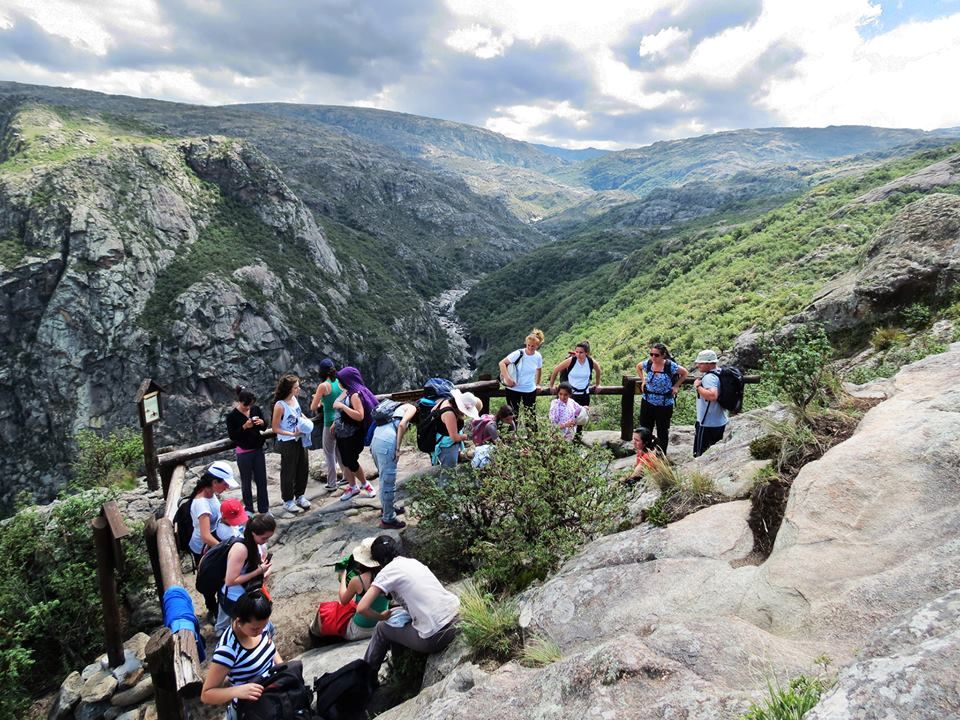
The Quebrada National Park of the Condor ito is located 85 kilometers west of the city and in the center of the Córdoba mountains. This national park was created in 1996. It is considered the third natural wonder of Córdoba. It has an area of 37,344 hectares. The first inhabitants to frequent these plateaus were the Comechingones 11000 years ago, they established temporary camps to hunt large mammals such as the guanaco and the pampas deer.
The creek that gives its name to the area is a deep canyon almost 800 meters deep from whose upper edges you can observe the flight of the Andean condors. This site is not for breeding, but the adults take their young there when they have the ability to fly, so that they learn to look for food in their adult life. Censuses indicate that the population of these birds remains stable and 100 condors are estimated in this creek.
During the trekking in Quebrada del Condorito It is also very likely that you can spot guanacos, peccaries, jaguars and tucos serranos (Ctenomys pundti). Currently, the main fauna consists (in addition to the condors that give the park its name) of pumas, peregrine falcons, foxes of the culpeo and jotes species and endemic species such as the toad, the frog, the green lizard and the striped snake.
For those who want to add more adventure to this tour, I recommend the Expedition to the South Balcony of the Quebrada del Condorito National Park, is a circuit (9 hours) ideal for lovers of the environment, in addition to seeing fly to the juvenile condors and their nests, you will have the opportunity to immerse yourself in the Tabaquillos Forest, visit the Pampa Pajosa camping area and descend to the Condorito River, known for its clean and rushing waters.
Another magical place within the Park is the Cascada Cinco Chorros, can be reached from the signposted path (2 hours walk) next to the Visitor Center at the entrance to the National Park. As mentioned, its name is a waterfall composed of small jets of water, it is surrounded by rock walls and there are deep holes , where you can take a dip.
Quebrada del Condorito Park is open from Thursday to Monday and on national holidays. The entrance is enabled between 9 am and 11 am, while the exit is from 4 pm to 6 pm.
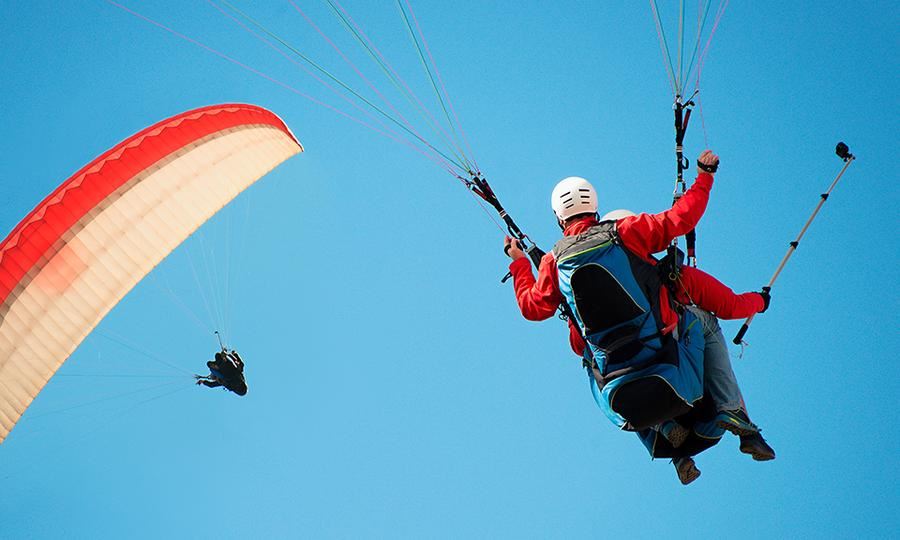
Fly paragliding, hang gliding or light aircraft through the mountains
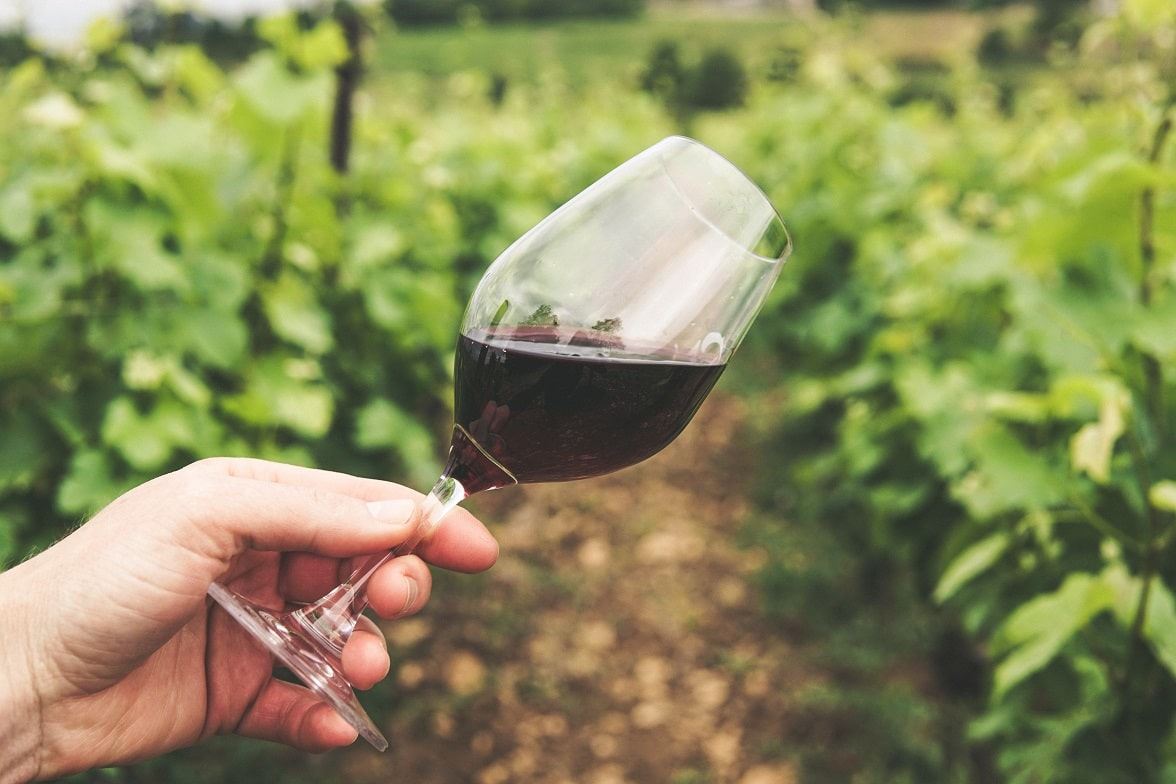
Make the Wine Trail in the Valle de Calamuchita
Trekking to the Cuevas de los Gigantes

Visit the town of Cerro Colorado
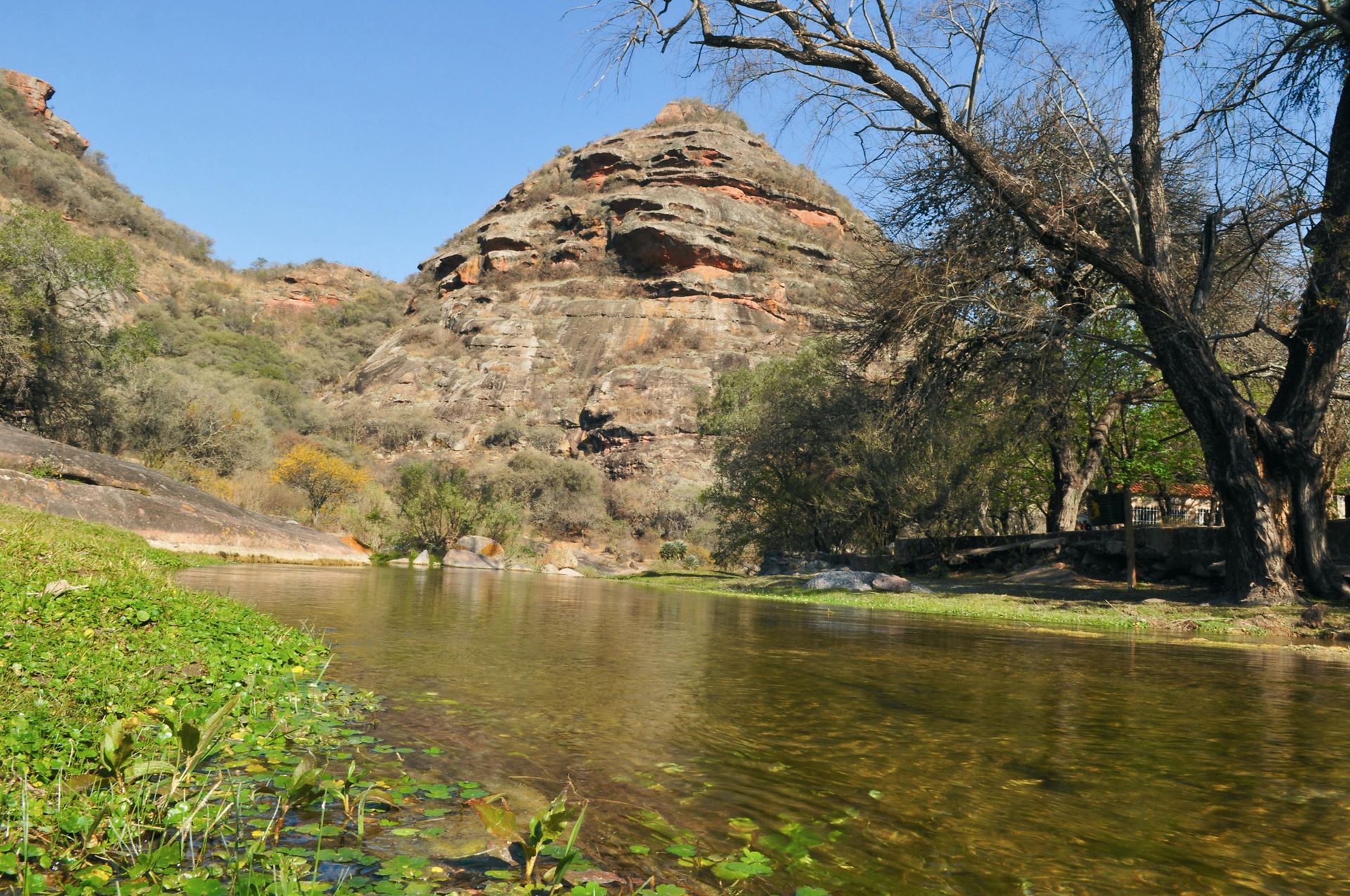
Trekking to Cerro Mogote
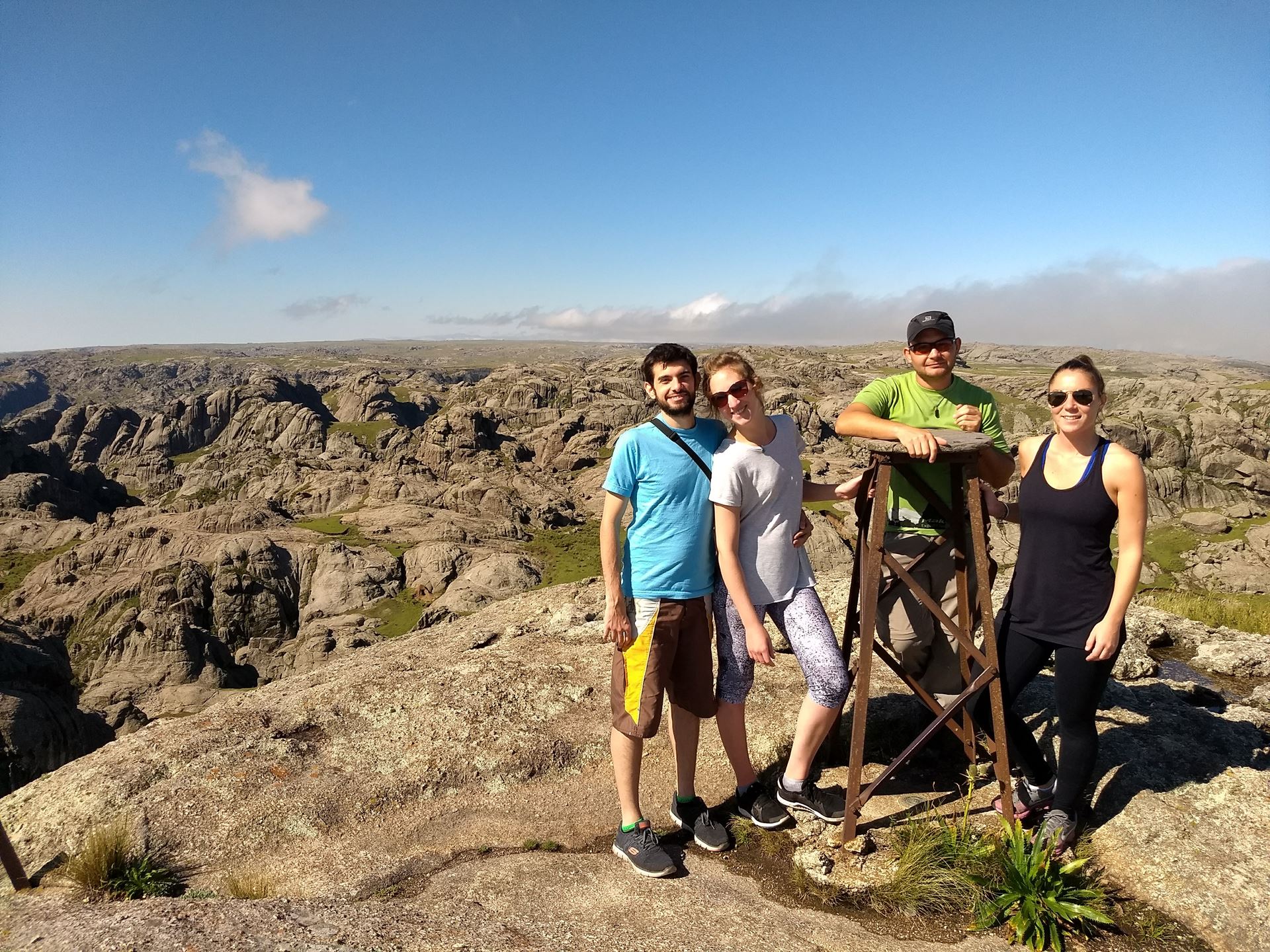
When to visit Córdoba
There is no better time of year to visit Córdoba because you can do it whenever you want, each season has its charm. But keep in mind that between October and April (summer), rainfall is more abundant and the temperature is higher ( average maximum is 31 ° C and minimum of 17 ° C ). Between May and September (winter), rainfall is minimal, but the temperature drops a lot and there are areas near the mountains where it usually snows ( 19 ° C maximum and 4 ° C for minimum).
How get to Córdoba
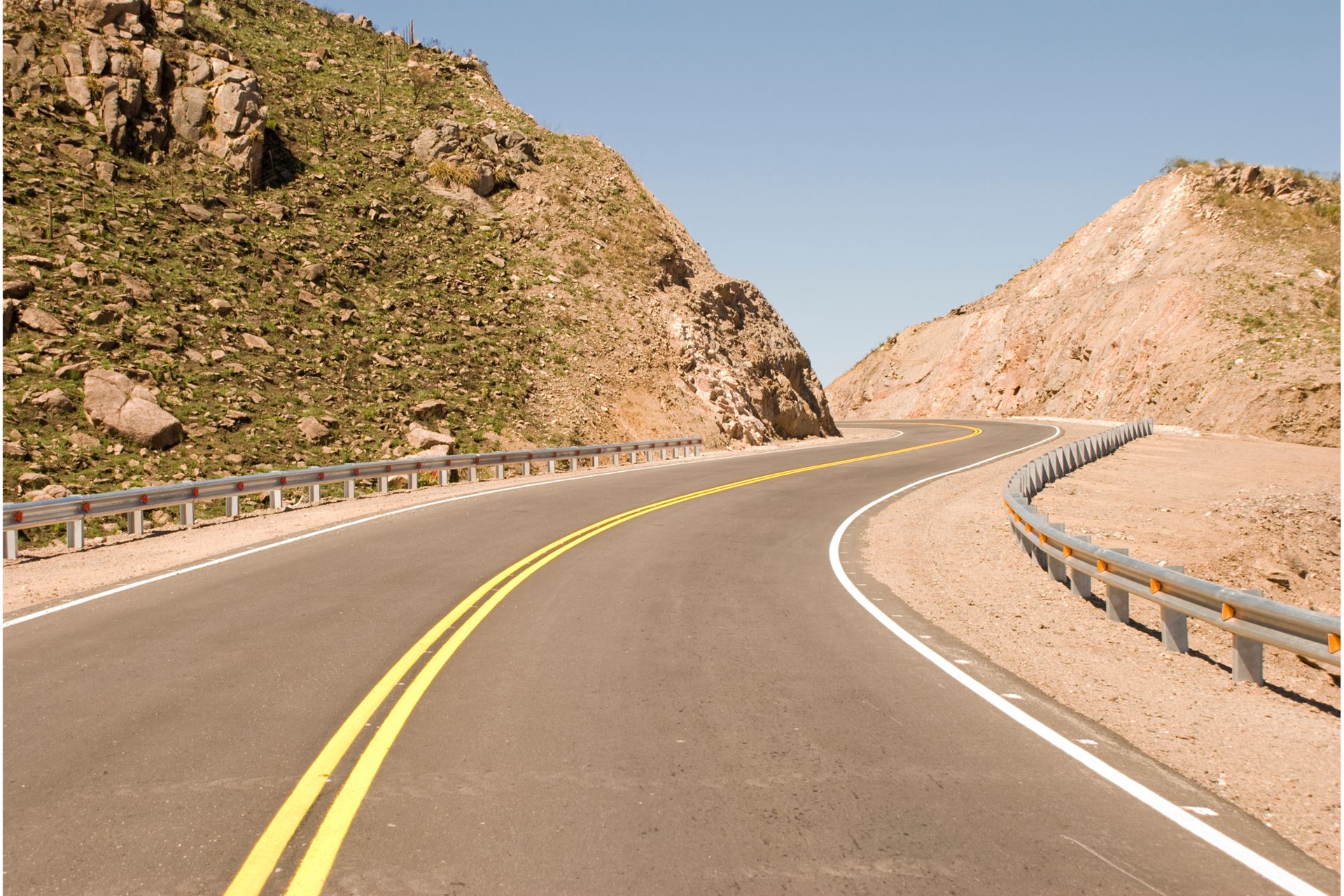
To get to Córdoba there are Several alternatives, you can do it by plane, bus or renting a car, all the ways are accessible and the routes are in perfect condition. Below I detail each of the ways:
- By plane: The Ingeniero Ambrosio Taravella Airport is located 11.5 kilometers from the center of the city of Córdoba. It is the second most important airport in the country for the arrival of international flights and a very large number of domestic flights. It currently offers direct connectivity with 16 national destinations: Buenos Aires (1 hour and 30 minutes by flight), Salta, Iguazú, Resistencia, San Miguel de Tucumán, San Salvador de Jujuy, Mendoza, Neuquén, Comodoro Rivadavia, San Carlos de Bariloche, Ushuaia , Calafate, Posadas, Mar del Plata, Rosario and Bahía Blanca.
- By car: Córdoba has good connections by route from several Argentine towns. National Route No. 9 connects the city with the Federal Capital, while National Route No. 19 offers a link with Santa Fe, Paraná and Entre Ríos. If you travel from Buenos Aires to Córdoba it is approximately 700 kilometers, so renting a car you will have a trip of 8 hours.
-Bus: This destination can also be reached from all the cities of Argentina through the different long distance bus companies ( Arrow Bus, Urquiza, Chevallier, Singer and The Valley ). The Terminal de Ómnibus of the City of Córdoba consists of two connected buildings. It is located in the Nueva Córdoba neighborhood, near the city center. It is the largest bus terminal in Argentina.
A trip by bus from Retiro (Buenos Aires) takes approximately 7 hours and ends at the New Bus Terminal in the city (Av. Antártida Argentina, Calle 10 and Buenos Aires). Several companies cover this route daily in equipped vehicles, with food on board and bathrooms.
-Train: The option to travel by train is from Retiro (Buenos Aires) to the Miter Railway Station in Córdoba, it takes approximately 15 hours, the service is not offered every day of the week, but it is the cheapest way to travel. arrive, and the price of the ticket varies according to the class that is selected. To know the hours and days available you can enter the website.
If you want to know more about excursions, accommodation and all the information about Córdoba, contact us.