Deep within the Sierra Nevada de Santa Marta , one of the most biodiverse mountain ranges on the planet, lies mystery. Hidden by the jungle, protected by indigenous communities, and caressed by mist, is the Lost City , also called Teyuna : an ancient settlement founded by the Tayrona civilization more than 1,200 years ago, long before the spectacular Peruvian city of Machu Picchu even existed.
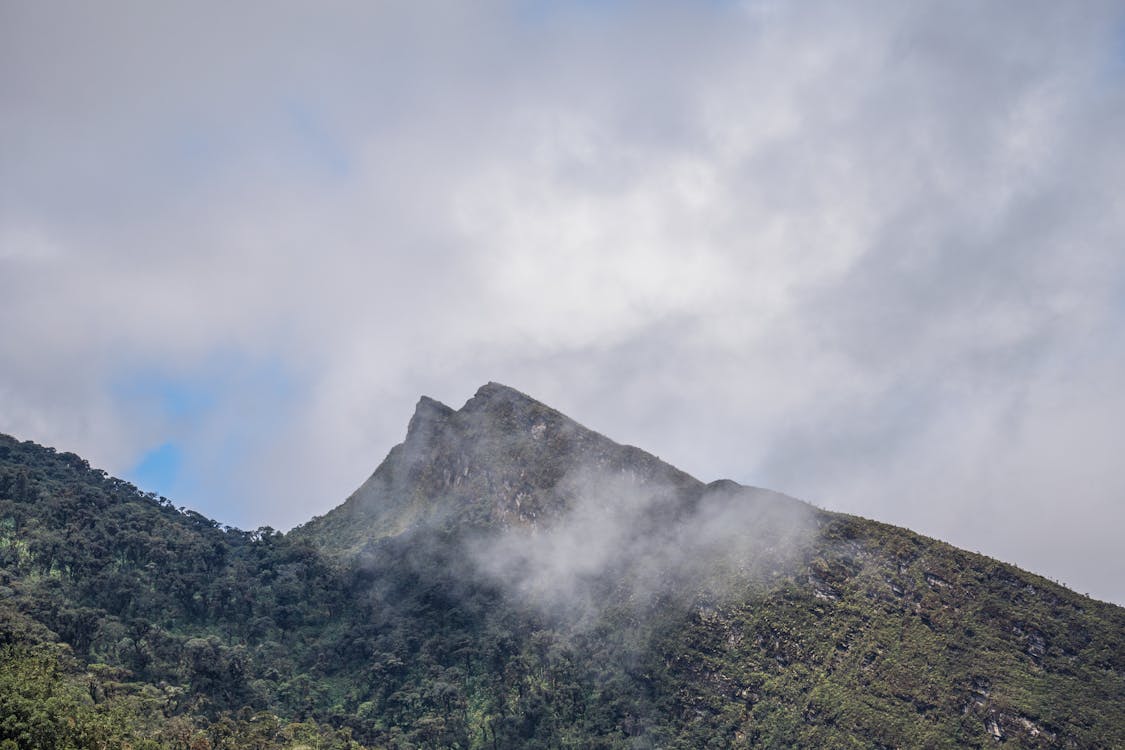
To reach this place there are no paved roads, no cars, and no cell phone signal. Access is only possible on foot, after several days of intense hiking through humid, jungle landscapes, crossing rivers, climbing hills, and descending into the green heart of northern Colombia.
That's what makes it such a powerful experience: the Lost City isn't visited, it's confronted , and that's why the challenge is to arrive without losing your breath or your courage in the attempt. Below, we tell you what makes it so special and how to plan your trip to the Lost City of Colombia.
History and present of the Lost City
According to archaeological records, the city was built by the Tayrona people around the 7th century. From then on, these inhabitants developed an advanced society with a well-structured political and religious organization. In terms of urban planning, they devised ambitious designs such as agricultural terraces and paved roads built against the slopes of the mountains.
By the 15th century, the city served as a ceremonial and political center for the region , but the arrival of European colonizers interrupted this process. Diseases and trade conflicts brought by the Crown's expeditions led to the fall of the Tayrona people and the abandonment of the city.
The city was rediscovered in 1976 by huaqueros (looters of archaeological treasures). Today, the Kogi, Wiwa, Arhuaco, and Kankuamo peoples , direct descendants of the founders, consider this place sacred and keep their ancestral traditions alive. According to their beliefs, Teyuna is the heart of the world : a sacred space that sustains the spiritual balance of the planet.
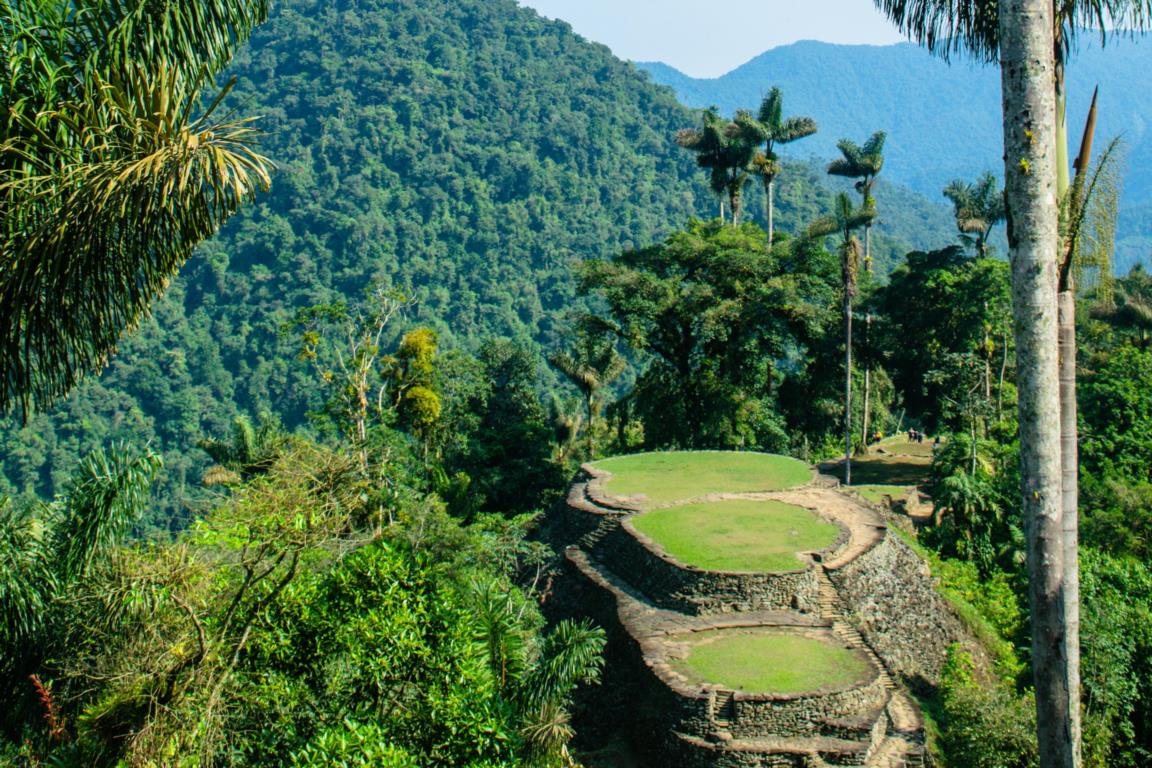
Those who visit it say that up there you can still feel the heartbeat of the ancient civilization that designed circular terraces, water channels, endless staircases and ceremonial plazas, all carved with stone, by hand, in the middle of the tropical mountain.
The trek to the Lost City is as challenging as it is unforgettable. It involves between 4 and 6 days of hiking (depending on the pace and itinerary), on a round trip circuit of more than 40 kilometers.
Trekking to the Lost City in Colombia: a safe, responsible and community-based tour
The ideal way to embark on this adventure is with an agency that not only knows the terrain but also deeply respects its cultural and spiritual significance. Tangol offers a complete Lost City Trekking package that combines adventure, local expertise, and respect for the communities.
This tour includes:
4x4 transport from Santa Marta to the starting point
Bilingual guides with training in Tayrona history and culture
Accommodation in camps with beds or hammocks and mosquito nets
Complete meals (adaptable to vegetarians and other diets)
Travel insurance
Interaction with indigenous communities and visits to local villages
In addition, part of the tour cost goes towards supporting community projects in the region , allowing tourism to directly benefit those who live in and care for this sacred territory.
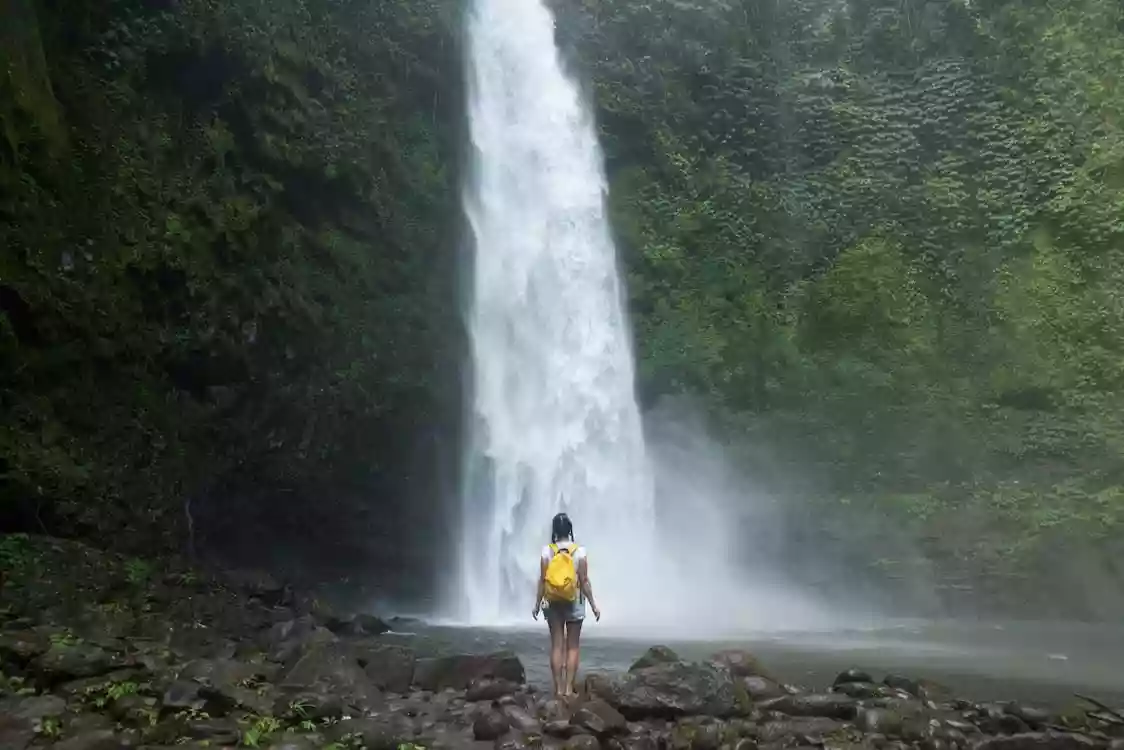
During the hike, you'll cross crystal-clear rivers, like the Buritaca, and cool off in hidden waterfalls. You'll also cross suspension bridges and stop to observe butterflies, monkeys, and colorful frogs. But beyond what you see, the strongest impact will likely be internal .
There are no luxuries on this journey: you sleep in camps with hammocks or simple beds, share food with other travelers, and trek through the wildest nature. However, what you gain from this trek is much more than photos to upload to Instagram: each step is a way to let go of the urban rhythm, screens, and ego. It's impossible not to feel small before the vast green expanse, and at the same time, deeply connected to something greater. The silence of the jungle, the sound of the birds, the conversations with local guides or the indigenous people walking alongside you: all of it is part of that transformation.
Reaching the Lost City, after climbing more than 1,200 stone steps , is like stepping into an ancient world, frozen in time. There, among moss-covered stone circles, you'll take a deep breath and understand why this place is sacred.
The experience compels you to be present, to trust your body, to listen to stories you didn't know you needed, to see things differently. There's no Wi-Fi, but there is connection . There are no luxury hotels, but there is the luxury of simplicity .
For those seeking a unique, transformative journey, brimming with nature, living history, and sacred silence, the Lost City is a hidden gem worth every ounce of effort . And with Tangol's support, it's possible to experience it safely, with companionship, and on a profound level. Because some destinations aren't just explored on foot: they're experienced with the soul.