When you think of traveling to South America, the aroma of grilled meats and the rich history of Argentine food likely come to mind. You have probably heard that Argentina produces some of the best beef in the world, and it is undoubtedly tasty. However, enjoying beef in Argentina is about more than just the meat; it is about the setting and the company, whether you are at a bustling parrilla in Buenos Aires or enjoying a relaxed asado on the outskirts of Mendoza.
Believe it or not, beef is not the only star on the menu. Throughout this vast country, diverse landscapes and cultural influences provide a huge variety of ingredients, leading to some truly unique and exotic foods in Argentina. While some of these might seem unusual to visitors, they are often a core part of the local daily diet.
In this article, we will guide you through the most iconic flavors of the nation. We will explore the depths of typical dishes in Argentina, from the heart of the capital to the northern mountains. To fully immerse yourself in these flavors, we highly recommend you explore these curated food tours in Argentina, where local experts reveal the secrets behind the country's most celebrated recipes.
Typical Food in Argentina: A Culinary Journey
Argentine cuisine is a rich tapestry woven from indigenous roots, Spanish colonial traditions, and significant waves of European immigration. While the country is globally famous for its high-quality grass-fed beef, the culinary map changes drastically as you travel from the cosmopolitan streets of Buenos Aires to the Andean north and the fertile plains of the central provinces.
Understanding the local food culture is essential for any traveler. Whether you are looking for the best food in Buenos Aires or traditional recipes in the provinces, knowing what to order is key. In the following sections, we will break down these dishes in depth, helping you navigate everything from classic offal to regional specialties that define Argentina traditional food.
Traditional Argentine Asado and Offal
No visit is complete without experiencing a traditional Argentine asado. Asado is more than just a barbecue; it is a social ritual. At a local parrilla, you will find that nothing goes to waste. If you are curious about the authentic experience, joining an Argentine cooking class or a dedicated grill tour will give you hands-on insight into how these cuts are perfectly prepared.
Morcilla (Blood Sausage)
Often known as black pudding in English, this is a staple of the argentina traditional food scene. It is crafted by draining pig’s blood and mixing it with ground pork, onions, garlic, and spices like paprika. It is almost always served as a starter during an asado, providing a rich, savory introduction before the main cuts of meat arrive. You can find high-quality morcilla at almost any local restaurant, often as part of a "parrillada" (mixed grill).

Chinchulines
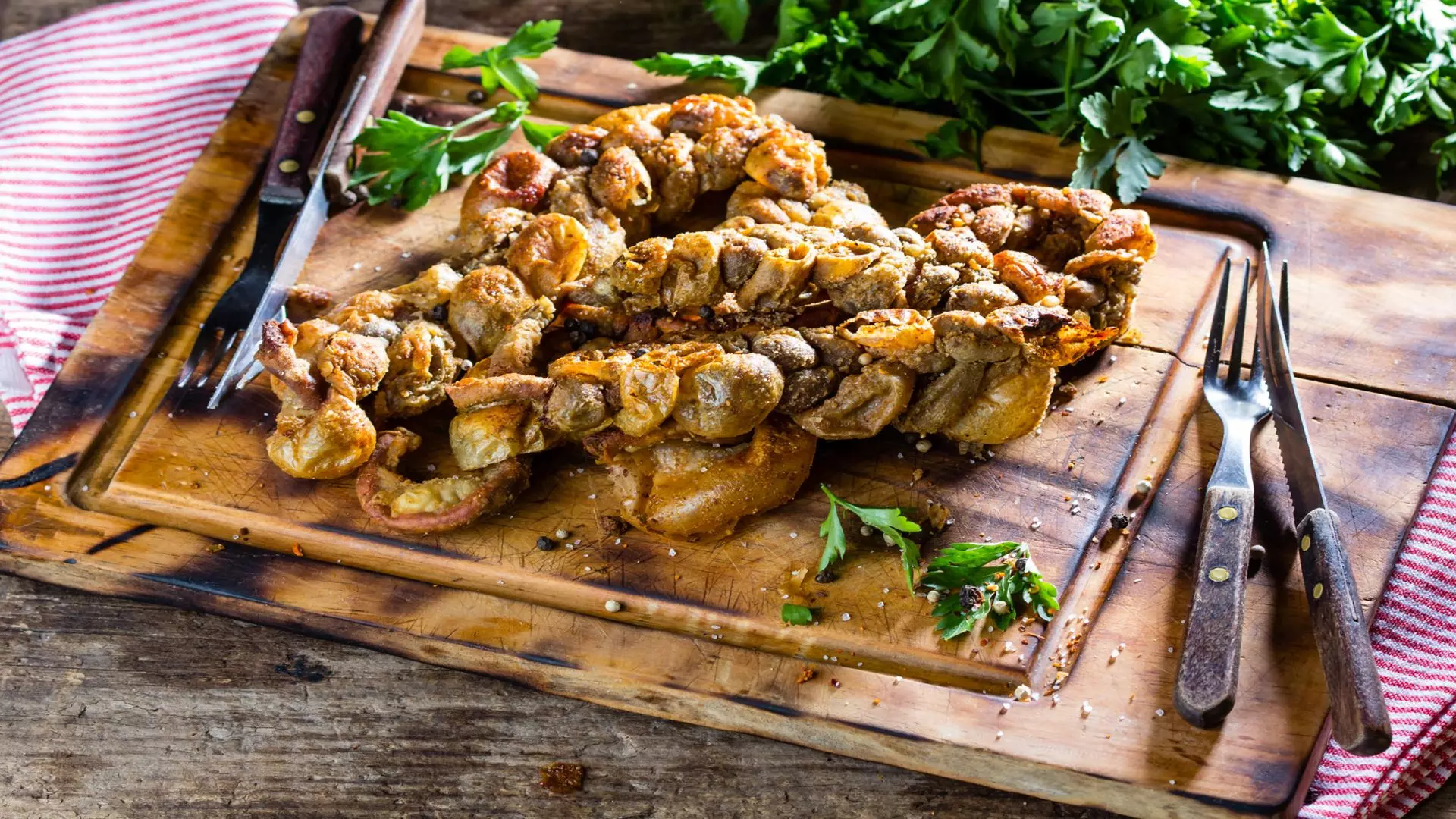
Commonly called "chinchus," these are the cow’s small intestine. They are grilled until the exterior becomes perfectly crisp while the inside remains tender. While the appearance might be intimidating to first-timers, their flavor is exceptional. A simple squeeze of lemon or a side of salsa criolla—a fresh mix of onions, peppers, and tomatoes—is the perfect way to enjoy them. There might not be a better ocasion to taste this typical dish than joining an authentic argentinian asado hosted by a local family.

Sopa de Mondongo
Mondongo, or tripe, is the stomach lining of cattle. This hearty, slow-cooked soup is a classic comfort food found across many Latin American countries. In Argentina, the broth is packed with carrots, potatoes, peppers, and onions, creating a nutritious and deep-flavored meal. It is a true example of the argentina typical food that highlights the country's tradition of using every part of the animal.

Criadillas
Criadillas, or bull testicles, are perhaps the most exotic item on the menu. While they might seem unusual, they are a traditional delicacy. They are typically sliced, breaded, and deep-fried, resulting in a dish with a surprisingly mild flavor and tender texture.

Regional Specialties: Beyond the Grill
Beyond the famous beef, Argentina offers regional ingredients that tell the story of its diverse geography. From the Andean north to the central plains, each area brings something unique to the table.
Llama Meat
In the northern provinces of Jujuy and Salta, llama is a staple protein. Indigenous Andean communities have farmed llamas for centuries, utilizing them for both their soft wool and lean meat. Llama is naturally low in fat and high in protein, making it a healthy and delicious choice. You will frequently find it served as cazuela de llama (a hearty stew), empanadas, or even cured as salame de llama. If you are traveling through the north, exploring the best places to eat in Salta is a great way to discover these authentic mountain flavors.

Viscacha
The plains viscacha is a rodent native to the Argentine Pampas. Often considered a pest by farmers due to their burrowing habits, they have long been a source of wild game meat. Viscacha meat is tender and mild—frequently compared to rabbit—and is best enjoyed when prepared "al disco". This method involves cooking in a deep iron pan over an open fire, a technique dating back to the days when farmworkers repurposed plow discs to cook in the fields.

European Influence in Argentina
The culinary landscape of Argentina is heavily influenced by the massive influx of European immigrants, particularly from Italy and Spain, during the late 19th and early 20th centuries. This fusion created a unique set of typical european dishes in argentina that have become part of the national identity.
You will find pasta houses and pizzerias on nearly every corner in major cities. Dishes like milanesa (breaded meat cutlets), various types of stuffed pasta, and pizzas with a distinctively thick layer of cheese are staples of daily life. For those visiting the capital, participating in an immersive Argentine Experience is highly recommended to understand how these global influences have been adapted into the local palate.
Typical Dishes in Santa Fe, Argentina
The province of Santa Fe has its own distinct culinary identity. While it shares the national love for beef, it is famous for specific products that visitors should not miss.
The most iconic treat is the alfajor santafesino, a layered cookie sandwich filled with dulce de leche and covered in a crisp sugar glaze. Additionally, the region is known for the carlitos, a popular toasted sandwich, and a variety of freshwater fish dishes derived from the Paraná River. Whether you are exploring the city of Rosario or the capital of the province, these local specialties offer a delicious glimpse into the regional variety of typical dishes in santa fe Argentina.
Wine and Regional Gastronomy
No exploration of argentina food is complete without pairing it with the country's world-renowned wines. In regions like Mendoza, or even the scenic valleys of Córdoba, the wine culture is deeply integrated into the food experience.

For a true taste of the wine country, consider booking a wine experience in Clos de los Siete in Mendoza, or explore the Wine Road in Traslasierra in Córdoba. These tours offer a perfect combination of local viticulture and traditional gastronomy, ensuring that your trip is as flavorful as it is memorable.
By taking the time to explore both the famous steakhouses and the smaller, regional eateries, you will gain a deeper appreciation for the true Argentina traditional food, a blend of history, landscape, and, most importantly, passion.