
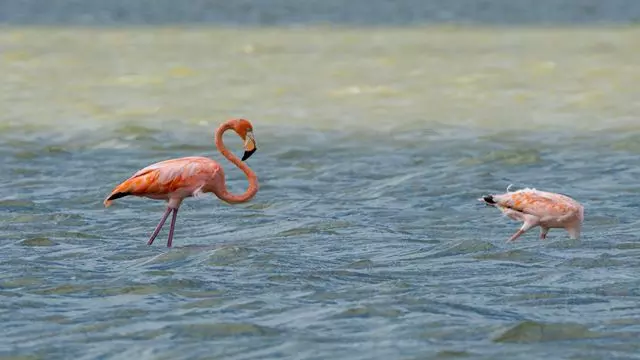
Birdwatching in Riohacha takes you through coastal wetlands, mangroves and the distinctive dry landscapes of La Guajira. Look for flamingos, herons and other native species on guided outings near the Caribbean coast, where desert scenery meets rich bird habitats.
Filters
1 results
Frequently asked questions
Birdwatching excursions in Riohacha generally focus on exploring natural environments, observing wild birds and learning to identify them through their appearance, behavior and calls. Depending on the itinerary, the experience may include walks, transfers between different observation areas and assistance from a specialized guide or a local naturalist. Some tours also explain the region’s ecosystems and responsible practices that help avoid disturbing wildlife. The exact inclusions vary, so check whether transportation, meals, entrance fees, binoculars or other equipment are covered before booking. These experiences are designed for respectful wildlife observation. Because birds are wild animals, no excursion can guarantee sightings of a particular species, even when the conditions are favorable.
Birdwatching excursions in Riohacha can suit beginners, experienced birders, nature photographers and travelers who simply want to discover local wildlife. Previous knowledge is not required, since a guide can help identify birds by their shapes, colors, calls and behavior. The physical demands vary, however. Some outings involve walking, standing for periods of time or moving across uneven ground, so review the difficulty level before booking. Families with children may enjoy the experience when the route and pace are suitable, provided children can remain quiet and follow wildlife guidelines. Travelers with reduced mobility, medical limitations or specific accessibility needs should ask about the terrain, rest opportunities and available assistance in advance.
The duration of a Birdwatching excursion in Riohacha depends on the route, the number of habitats visited and the transfers included. It may be a short outing or an experience lasting several hours, so read the service description carefully before booking. Early morning is often a good time for bird observation because many species are more active and temperatures may be more comfortable. Some excursions also take place in the afternoon, depending on the habitat and the purpose of the route. No schedule guarantees sightings, since wildlife activity changes from day to day. Allow extra time for transfers, and bring water, sun protection and comfortable clothing suitable for walking and waiting quietly.
When choosing a Birdwatching excursion in Riohacha, compare the habitat visited, duration, physical difficulty, group size, guide language and included services. It is also useful to check whether the outing is designed for beginners, photography or searching for particular species, without assuming that sightings are guaranteed. The best season depends on your interests and on environmental conditions: bird presence and activity can change between seasons, after rainfall or according to food availability. Therefore, there is no single ideal period for every traveler. Ask the operator for updated information about weather, access and trail conditions. Choose an excursion that matches your pace, interests and expectations, and prioritize providers that explain responsible wildlife-observation practices.
For a Birdwatching excursion in Riohacha, bring lightweight clothing in discreet colors, closed comfortable shoes, a hat or cap, sunscreen, insect repellent and enough drinking water. Binoculars and a camera can enhance the experience, but confirm whether optical equipment is included or must be provided by you. Avoid strong fragrances and unnecessary noise, keep a respectful distance from wildlife and never feed or imitate birds to attract them. Follow the guide’s instructions and respect trails, local communities and protected areas. Before departure, check the forecast, meeting point, luggage restrictions and cancellation conditions. A small notebook or field guide can also be useful, provided it does not distract you from observing quietly.