
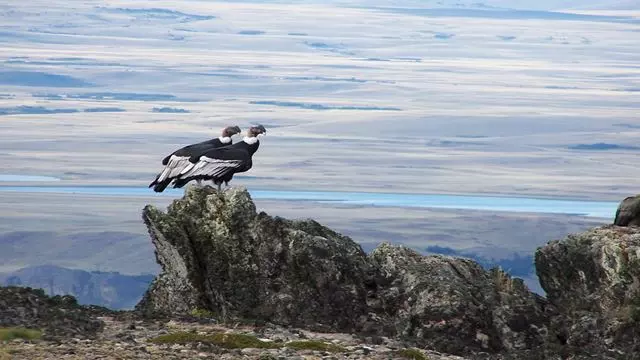
Birdwatching in Coyhaique takes you through Patagonian forests, wetlands and open steppe in search of Andean condors, Magellanic woodpeckers and other native species. Expert-led outings combine quiet observation with spectacular landscapes, making the region’s changing habitats the highlight of every experience.
Filters

Frequently asked questions
Birdwatching excursions in Coyhaique generally focus on exploring natural environments, observing wild birds, and learning to identify species through their appearance, behavior, and calls. Depending on the program, they may include transportation, a guide, walks of varying difficulty, and time for photography; these services should be confirmed before booking. The experience depends on weather, season, and bird activity, so sightings cannot be guaranteed. Some outings are designed for beginners, while others suit travelers with a more specialized interest. When comparing excursions in Coyhaique, check the itinerary, duration, walking requirements, group size, guide language, and included services. It is also useful to verify whether binoculars or other observation equipment are provided or need to be brought along.
A birdwatching excursion in Coyhaique can suit first-time observers as well as photographers and experienced enthusiasts. No previous knowledge of local species is required, but travelers should enjoy nature, be patient, and feel comfortable spending time outdoors. Suitability mainly depends on the trail difficulty, duration, and pace of the outing. Before booking, ask whether the route involves long walks, elevation changes, crossings, or exposure to changing weather conditions. Families should check minimum age requirements and whether the itinerary is suitable for children. It is also important to mention mobility limitations, dietary needs, or language preferences in advance. This helps you choose a birdwatching excursion in Coyhaique that matches the abilities, interests, and expectations of everyone in your group.
The length of a birdwatching excursion in Coyhaique depends on the itinerary. It may be a shorter outing or an extended full-day experience. Total time usually includes transfers, explanations, walking, and breaks, but each program sets its own schedule. Physical effort also varies: some activities take place in easily accessible areas, while others involve uneven trails or several hours on foot. Read the excursion details to check duration, departure time, approximate walking distance, and difficulty level. If any of this information is missing, ask before booking. Choose an option that allows enough time for rest, and mention in advance if you need a slower pace, assistance, or transport during part of the route. This is especially important for families and travelers with mobility concerns.
There is no single best season for birdwatching in Coyhaique because bird presence and behavior change throughout the year. The season also affects vegetation, daylight hours, weather, and trail conditions. If you hope to see a particular species or behavior, ask which months are considered more suitable and whether the excursion operates during your travel dates. To improve your chances, it can be helpful to choose a time when birds are generally active and avoid relying on only one outing. Wildlife remains unpredictable, however, and sightings cannot be guaranteed. Before booking a birdwatching excursion in Coyhaique, check the cancellation policy and what happens if weather conditions make the activity unsafe or require changes to the planned itinerary.
To choose a birdwatching excursion in Coyhaique, compare the habitat visited, duration, difficulty, group size, guide language, transportation, and equipment included. Also review booking and cancellation conditions, as well as arrangements for weather-related changes. Bring comfortable layered clothing, closed shoes with good traction, rain and sun protection, water, and a small backpack. Binoculars and a camera can enhance the experience, but confirm whether the provider supplies them before treating them as essential. Avoid brightly colored clothing when possible, keep quiet near birds, and follow the guide’s instructions. Do not feed or chase wildlife. Responsible behavior helps protect the environment and increases the chance of observing animals without disturbing them. Safety should always come before photography.