
Frequently asked questions
To get to Ilhabela from São Paulo, the most common option is to travel by car, bus, or private transfer to São Sebastião, on the coast of São Paulo state. From there, you cross the canal by ferry to Ilhabela. The crossing takes approximately 15 to 20 minutes. Pedestrians can use the service without reservation, while those traveling by car should check schedules, fares, and potential queues, especially on weekends, holidays, and during peak season. It is also advisable to check the weather and ferry operating conditions before starting your trip.
The best time to visit Ilhabela depends on the type of experience you're looking for. During the Brazilian summer, between December and March, temperatures are ideal for enjoying the beaches, boat trips, and water activities, although there tend to be more tourists, higher demand for hotels, and higher prices. Spring and autumn offer pleasant weather, less crowds, and better opportunities to find budget-friendly accommodations. Winter can also be a good option for hiking and exploring the historic center. It's advisable to check the forecast, as Ilhabela has a tropical climate with rain throughout the year.
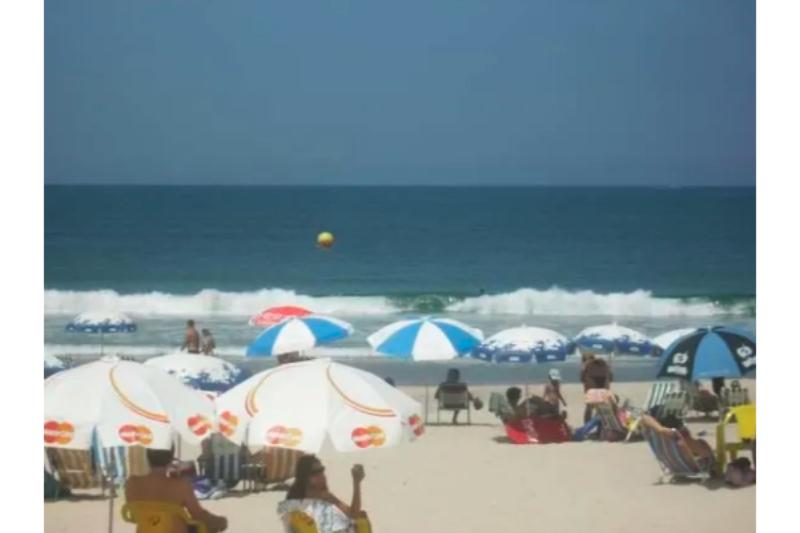
Ilhabela boasts numerous beaches and natural attractions to suit every type of traveler. Among the most popular are Praia do Curral, Praia Grande, Praia da Feiticeira, and Praia do Julião, ideal for swimming, relaxing, and water sports. On the east coast, beaches like Castelhanos, Bonete, and Jabaquara offer more rugged landscapes and a special connection with nature. Visitors can also explore Vila, Ilhabela's historic center, take boat trips, go scuba diving, and discover waterfalls and trails within Ilhabela State Park.
The best area to stay in Ilhabela depends on your interests and budget. Vila, the historic center, is an excellent choice for those who want to be close to restaurants, shops, bars, cultural events, and tourist services. The southern areas, such as Perequê, Portinho, Feiticeira, and Curral, offer easy access to beaches, inns, hotels, and vacation rentals. For a quieter, more natural experience, you can look for accommodations in the north of the island or near secluded beaches, although transportation may be more limited. It's recommended to book in advance during the summer, Carnival, and holidays.
In Ilhabela, you can enjoy activities such as hiking, boat trips, kayaking, diving, snorkeling, fishing, wildlife viewing, and visits to waterfalls. It's also possible to explore secluded beaches using 4x4 vehicles or guided tours, especially towards Castelhanos and Bonete. To fully enjoy your trip, it's recommended to bring sunscreen, insect repellent, a hat, lightweight clothing, comfortable shoes, a swimsuit, and a reusable water bottle. Insect repellent is especially important due to the presence of insects known locally as borrachudos. Additionally, it's advisable to hire certified guides for trekking routes and excursions off the beaten path.